DNA is everywhere—in water, soil, and even in the air. Today, scientists have at their disposal analytical methods capable of capturing and sequencing this environmental DNA (eDNA).
Thanks to major advances in PCR (Polymerase Chain Reaction) and sequencing technologies, the use of environmental DNA, or eDNA, has gained considerable momentum. The most recent breakthrough in this ever-evolving field: the collection and sequencing of DNA present in the atmosphere.
Environmental DNA: a reliable and non-invasive technique.
The principle of eDNA is based on the fact that all living organisms shed DNA fragments as they move through their environment—through urine, feces, hair, scales, secretions, and more. These genetic traces accumulate in the environment: in the ocean, rivers, lakes, soil, sediments, and, as demonstrated by two studies conducted in zoological parks, even in ambient air. Such traces provide valuable information for detecting the presence or passage of species—from microorganisms such as bacteria and viruses to elusive or rare species that are difficult, if not impossible, to monitor using conventional methods. Another key advantage of eDNA is its non-invasive nature. Only a small sample of the medium inhabited by the target species is required, without any direct intervention on the organisms themselves.
From simple traces to DNA barcoding.
Once collected, water or soil samples are sent to the laboratory for analysis. The protocol, consisting of no fewer than four steps, requires the utmost rigor on the part of scientists in order to avoid the risk of contamination.
The first step involves isolating DNA molecules using molecular biology techniques (such as precipitation and centrifugation), which are now well mastered and largely automated, thereby reducing costs. In a second step, this DNA is amplified through PCR to obtain sufficient quantities for sequencing.
DNA sequencing makes it possible to determine the sequence corresponding to a given species—that is, the specific fragment of nucleotides that characterizes and differentiates it from others. These sequences are then catalogued in international databases according to the concept of molecular barcoding, developed in 2003 by Canadian zoologist and ecologist Paul Hebert. Stored in the form of barcodes and integrated into computerized systems, DNA fragments can thus be easily compared and identified in record time.
A vast field of applications.
Within just a few years, environmental DNA (eDNA) has become a particularly valued tool for biodiversity studies. By analyzing environmental samples, researchers can identify and quantify organisms present in natural habitats, monitor rare or endangered species, or, conversely, track the emergence of invasive alien species that may disrupt ecosystems. Even more striking, the analysis of a single honey sample can reveal all the plant species visited by bees, while DNA trapped in just a few grams of sediment can provide insights into which species inhabited specific regions thousands of years ago.
Most recently, this technique has made a significant contribution to the fight against the Covid-19 pandemic. In this case, viral RNA was detected in wastewater, allowing researchers to quantify the presence of the virus and, consequently, to better anticipate the progression of the epidemic. In the future, this tool could also be used to identify the emergence of new variants at an early stage—pending further applications, equally fascinating, in many other fields.
The path that leads from the criminal act to its perpetrator is what we call evidence. In various forms, it is the daily concern of investigators, prosecutors, and judges. Its essentially retrospective nature makes it difficult, unpredictable, and uncertain. One cannot simply turn back time. Years of experience at the Assize Court have taught me that the path separating the most spectacular piece of evidence from a declaration of guilt is a mysterious one: just when you think you have it, it slips away; it may seem obscure, then suddenly becomes compelling. “You who enter here, beware: absolute proof does not exist” could well be the warning engraved above the doors of forensic laboratories. And rightly so.
When it’s too good to be true
He had just killed the elderly lover who had refused to comply with his financial demands when, seized by remorse, he alerted the police in the hope that they might provide the medical care which, he thought, could save him. Without revealing his identity, he fled before the emergency services arrived. Arrested shortly thereafter and confronted with the recording of his call, he admitted to the facts. However, part of the procedure containing his confession was annulled. When the investigation resumed, he chose to change his line of defense and denied the facts, a position he maintained until trial. The presiding judge allowed him ample time during his personality examination so that everyone could become familiar with the sound of his voice. Then came the review of the facts and the playing of his recorded message by the police.
During the adjournment—which is a time for relaxation and informal exchanges—all the judges and jurors recognized the accused’s voice without hesitation. The case seemed settled. Except that…
When the session resumed, and to drive the point home, the prosecution requested that the incriminating message be played again, which was done. At the next adjournment, however, one of the jurors began to have doubts. At the request of the civil party, the message was played again, but after the following recess, three jurors were questioning it. Needless to say, when asked one last time to order the message to be replayed, the presiding judge, now wise with experience, refused. The accused, whose retracted confession was known only to the professionals, might well have been acquitted if the playback of his call continued indefinitely.
The more conclusive a piece of evidence appears, the more cautious one should be
His very distinctive haircut at the time made him recognizable among a thousand: shaved all around the head, leaving only an oval brush of thick black hair on his high, slender forehead. None of these details escaped the video surveillance cameras in the underground car park he had entered barefaced to commit his crime. He was acquitted.
What better proof than to see the victim herself designate her killer with her own blood—moreover, by making a spelling mistake she habitually committed? And yet, the conviction of the accused did not prevent the movement which, invoking a miscarriage of justice, ultimately led to his pardon.
“What are the chances of a mistake in the identification of this DNA profile?” experts are frequently asked. “About one in a billion,” they reply. Until the day it becomes apparent—as I once witnessed—that a material error in an expertise hastily dictated had falsely designated the accused.
Examples of this kind abound, and one may draw a first lesson from them: the more conclusive a piece of evidence appears, the more cautious one should be.
To make progress over and over again
To make progress over and over again
None of this should discourage technicians and experts from constantly striving to refine investigative techniques, and it must be acknowledged that since the discovery of dactyloscopy, the progress made in identifying criminals or exonerating suspects has been remarkable.
Scientific research is continuous, and we can hardly imagine what future advances will further shed light on the truth.
Yet, however far progress may take us, there remains a discontinuity that will always separate the administration of evidence from the declaration of guilt, and which will sometimes frustrate even the finest investigators: that of the work of reason.
Without reproducing in full the address that the presiding judge delivers to the jurors at the end of the trial, before the court withdraws to the deliberation chamber, it is worth quoting a passage contained in what is arguably the most beautiful article of the French Penal Code—Article 353, which establishes the freedom of evidence and the principle of intimate conviction: “The law requires the judges to seek in their conscience what impression the evidence presented against the accused and the arguments for his defense have made upon their reason.” However perfect the evidence may be, its demonstration will always demand an exercise of reason, without which no finding of guilt can be pronounced. And there is nothing more uncertain than reason, even if collegiality greatly reduces its unpredictability.
The challenges of deliberation
It is, for example, particularly difficult to rule on homicidal intent. What does it mean to “intentionally cause death”? Must one probe the exact thoughts of the accused at the precise moment of an act to which he may not even have given a thought an instant earlier, and which he would regret as soon as it was committed? Did he truly intend to cause death? Quite clearly, that is impossible. It must therefore be determined whether death was the logically foreseeable material consequence of an act committed by a conscious and lucid individual.
Similarly, DNA traces found on the complainant’s underwear in a rape case, however categorical they may be, will never dispense with the need to question consent; nor will defense injuries observed on her wrists relieve the court from inquiring into the origins and circumstances of the struggle.
Not to forget—and this may be the essential point—that a trial, where doubt benefits the accused, is the singular exercise that requires judges to determine what they are certain of, in relation to facts to which they were not witnesses.
Back to the basics
Investigators and experts are, of course, fully aware of all this. But to this retrospective approach, which is their daily lot, there succeeds another—this time prospective—which is precisely the mission of that interface known as the Public Prosecutor’s Office. Its role is to assess, with all possible caution given the uncertainty that characterizes the judges’ task, and to guarantee the quality of the evidence that the prosecuting authority will submit to them.
In this uncertain—and, to be truthful, rather vertiginous—procedural chain which, beginning with the initial finding of the crime, must lead with sufficient certainty to the identification of the criminal and the punishment of the offense, it is essential that each actor be fully conscious of his or her own role and of the place he or she occupies.
Conflict zones often provide an opportunity to test and deploy new technologies. Such is the case with facial recognition, which Ukraine is set to use for identification purposes. For better or for worse?
In his novel 1984, George Orwell imagined the character “Big Brother,” whose watchful eye constantly surveils the population. In 2022, Big Brother has taken the form of facial recognition, which is gradually spreading within our societies, despite its controversial reputation.
In the context of the war between Russia and Ukraine, this technology—made available to Ukrainian authorities by the start-up Clearview AI—is intended to identify refugees at checkpoints, to recognize individuals killed in combat, and to detect Russian agents attempting to infiltrate. Clearview AI’s search engine relies on a database of more than ten billion images, sourced in particular from social media.
Between biometrics and Artificial Intelligence.
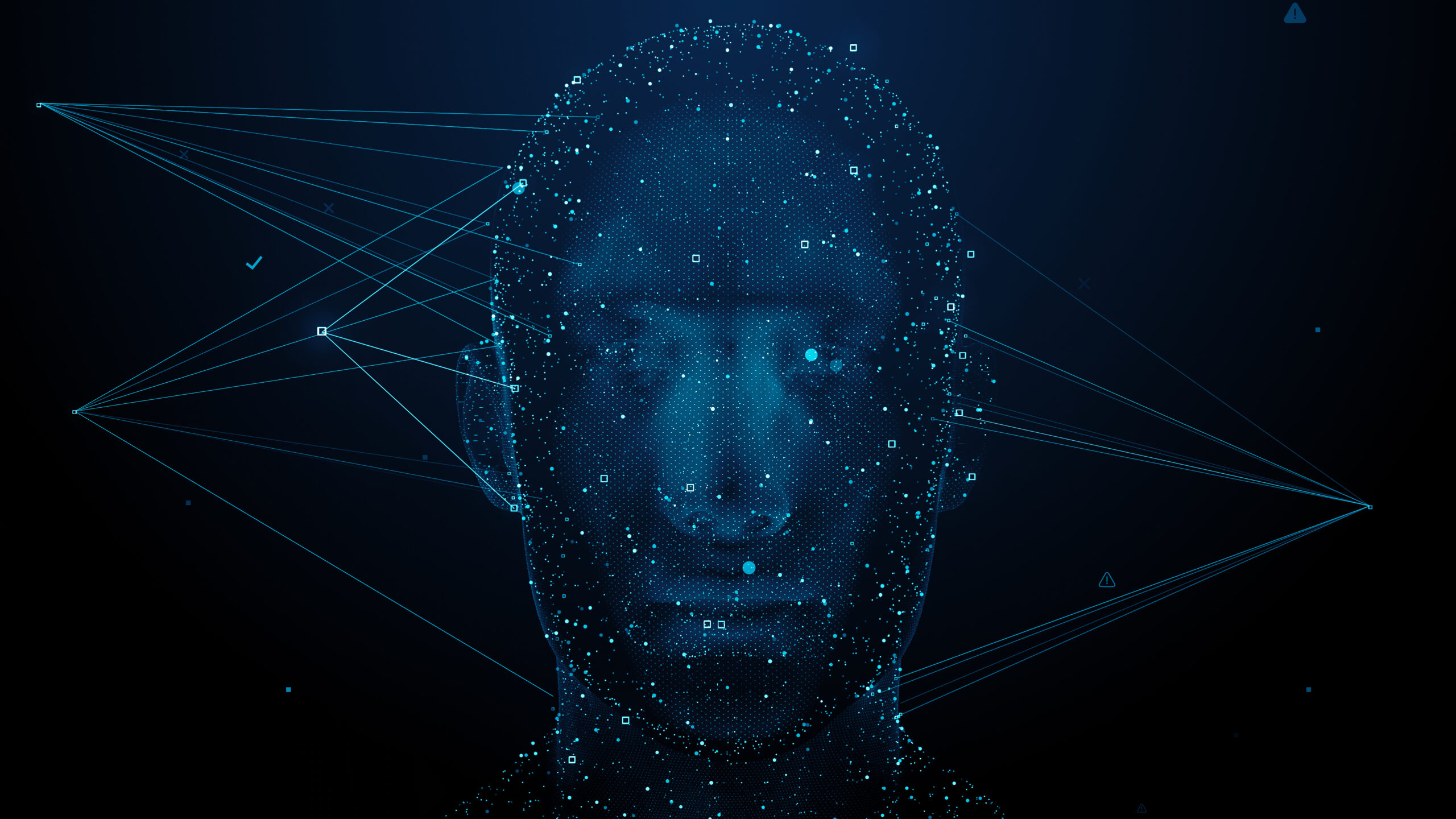
Facial recognition analyzes the distinct characteristics of a face by combining several technologies: biometrics, Artificial Intelligence, and 2D or 3D mapping. In practice, a face is first isolated from a photograph or video and its specific features examined (such as the distance between the eyes, the size and position of the ears, or the shape of the lips). Facial recognition software can process up to 80 of these characteristics, also known as nodal points. These data are then used to generate a numerical code or “facial imprint” unique to each individual, much like fingerprints. This imprint can subsequently be compared against a database containing millions of other similarly mapped faces. Thanks to artificial neural networks modeled on the human brain, deep learning has enabled algorithms to acquire the ability to recognize human faces and, in principle, to match a proposed imprint with the corresponding photograph without error.
An exceptional tool in the field of security.
Even if it is not always apparent, the use of facial recognition technology is steadily expanding. Authorities are increasingly employing it, particularly for surveillance in airports and at border crossings.
In the United States, where no law regulates the collection and storage of personal data, the FBI already maintains a database of 650 million images, sourced from airports and social media. In many U.S. cities, law enforcement officers are also equipped with body cameras capable of real-time facial recognition. A simple photograph of a driver or a suspect can be cross-checked against available databases to determine whether that individual is on record.
In France, police forces have access to a database incorporating facial recognition known as TAJ (Traitement des Antécédents Judiciaires). It consolidates information drawn from investigative and intervention reports and currently contains more than 8 million photographs. Access to this database is legally regulated and restricted to criminal investigations, inquiries into misdemeanors, and the search for missing persons. In addition, the PARAFE facial recognition system has been deployed in a number of strategically sensitive train stations and airports.This technology is undeniably a valuable tool for securing major events, tracking fugitives, or identifying dangerous individuals. However, France remains cautious about its use. While the CNIL (Commission Nationale de l’Informatique et des Libertés) authorized an experimental trial in 2019 during the Nice Carnival, the organizers of the 2024 Olympic Games appear to have definitively ruled out its use as a security measure.
Privacy under surveillance?
Such caution is far from whimsical. Beyond the obvious difficulties in regulating its use and preventing abuses in conflict zones, facial recognition immediately raises a fundamental question: how can individuals protect their privacy and personal data if their faces risk being incorporated into such software without their knowledge?
Indeed, many companies and online platforms have already integrated facial recognition into their technologies. Apple, for instance, uses it to unlock smartphones, while Twitter, Facebook, and Google have also implemented similar systems. This has already enabled Clearview AI—the very company now equipping Ukraine—to harvest several billion photographs, videos, and personal data. The consequences of such practices remain difficult to fully assess.
Chimerism has long since left the realm of mythology and entered that of science. Today, it is an undeniable human reality, particularly through organ and bone marrow transplants. One human being, one DNA—that was the rule that had guided scientists for centuries. With advances in medical research, however, this fundamental principle has been completely overturned, as illustrated by the case of Chris Long.
When DNA blurs the trail.
This American patient, suffering from acute myeloid leukemia, received a bone marrow transplant from an anonymous European donor. This procedure allows the donor’s hematopoietic cells (blood-forming cells/blood cells) to replace the recipient’s non-functional blood cells. It is therefore not surprising to find foreign DNA in the blood of the transplanted patient!
In the Chris Long case, however, the surprise was total when analyses carried out four years after the transplant revealed that his seminal fluid contained only the donor’s DNA—in this case, that of a young German. Other parts of his body, such as his cheeks, tongue, and lips, contained both DNAs, whereas his hair contained only his own. Specialists were thus confronted with a case of chimerism, a condition in which a person carries two different genetic profiles.
A natural anomaly.
The phenomenon is extremely rare. Only about a hundred cases of chimerism have been recorded worldwide. In Chris Long’s case, this anomaly arose in the context of a medical intervention, but it can also occur naturally when an incident disrupts the developmental process. In a dizygotic twin pregnancy—meaning two embryos from separate fertilizations—it may happen that the two eggs fuse at a very early stage of development. The surviving embryo is then formed from cells originating from both eggs and therefore carries two distinct DNAs.
Most often, chimerism affects specific organs, body parts, or certain cell types such as those of the blood group. A striking example occurred in 2015, when another American underwent DNA testing that appeared to prove his son was also his nephew. The mystery was quickly solved when it was discovered that the father actually carried two DNAs—his own and that of a twin brother who had never developed in utero.
A textbook case for forensic science.
Although chimerism is rarely identified (it is often detected only through prenatal diagnosis), this is largely because it has no impact on the health of the person concerned. Nevertheless, it is of growing interest to specialists in forensic medicine and forensic police. In just a few decades, DNA has become the cornerstone of investigations aimed at solving numerous criminal cases.Chimerism, however, could change the rules. If, in the context of a sexual assault, DNA recovered from the crime scene belonged to a person who had undergone a bone marrow transplant, could this not lead to the wrongful implication of an innocent donor? Will it now be necessary to collect DNA from multiple parts of the body to avoid identification errors with potentially dramatic consequences? These are pressing questions to resolve—and a new textbook challenge that forensic procedures must now take into account.
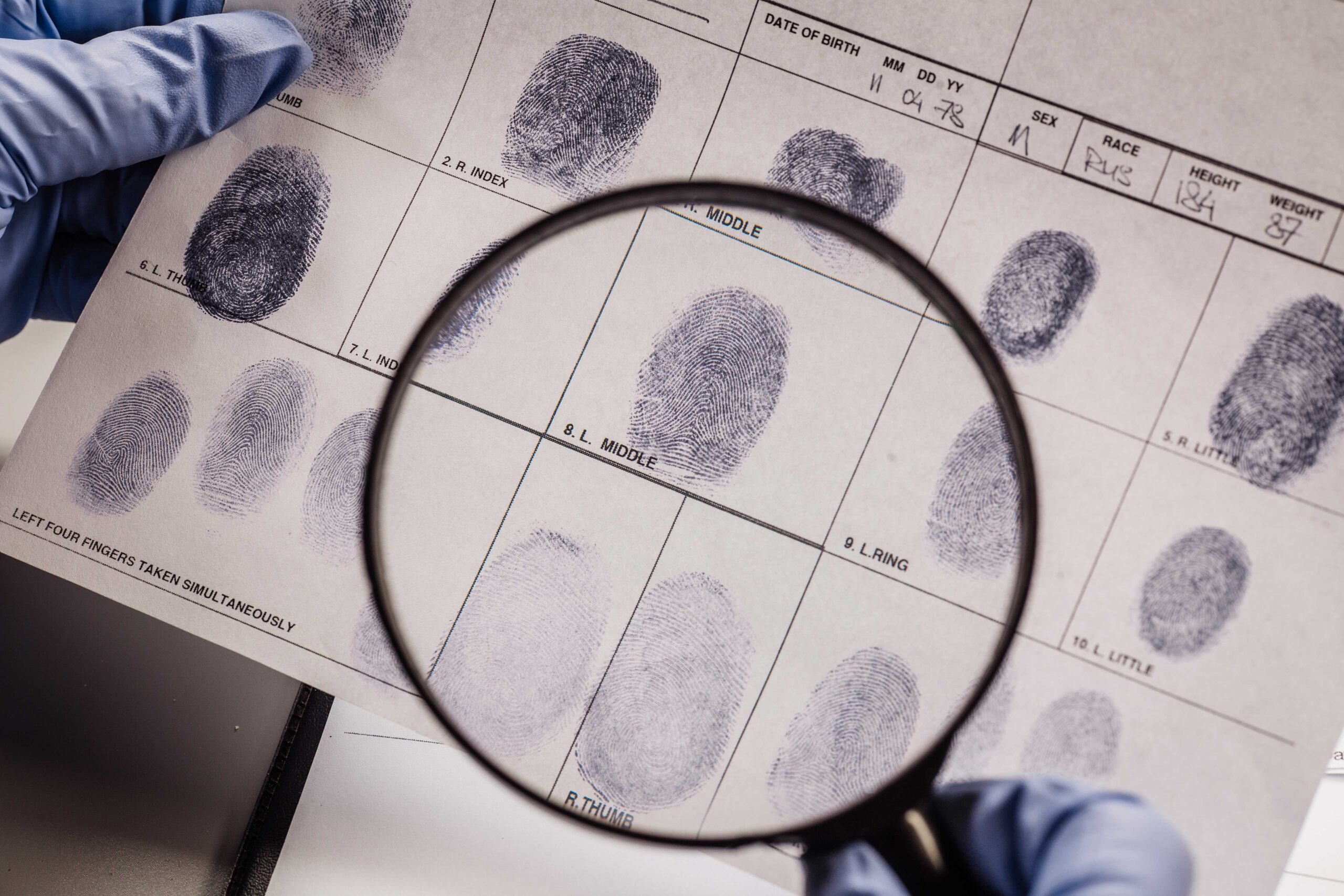
Each year, the forensic units of the National Police and the National Gendarmerie detect and recover several hundred thousand fingerprint, palm-print and even footprint impressions on a wide range of surfaces, linked to hundreds of thousands of delictual or criminal offences (burglaries, vehicle thefts, drug trafficking, armed robberies, rapes, homicides, terrorist attacks, etc.).
– text translation in order of appearance: Friction ridge impressions Crime scene – do not cross Ridge ending, lake, short ridge / fragment ; suitable print First responder, victim, witness, janitor, relative of the victim ; suspect No match Loading 6,5 millions (in 2021) ; Automated Fingerprint Database (FAED) (french equivalent of AFIS) data transfer into the database ; retention period 15 to 25 years ; fingerprint hit —
Since the Francisca Rojas case in Argentina in 1892 (1) and the identification of Henri-Léon Scheffer in France in 1902 by Alphonse Bertillon (2), this form of physical evidence has made it possible to identify offenders through the latent prints they leave behind at crime scenes.
International practice in fingerprint identification is not standardized. In France, in order to link a latent print recovered from a crime scene to a friction ridge impression taken from a suspect, forensic experts rely on two approaches:
• The 12-point numerical standard
• The probabilistic or holistic approach
For nearly a century, the binary view of fingerprint identification based on the “12-point standard” has gradually given way to a continuum of possible conclusions. Depending not only on the number but also on the quality of the minutiae present in the questioned print, experts use a numerical and verbal scale of comparative assessment that may point more or less strongly toward identification or exclusion.
At present, this probabilistic approach is applied only in complex fingerprint examinations. The 12-point numerical standard continues to be used routinely in France—see our video on the recovery and comparison of friction ridge impressions.
Amendment to Article 55-1 of the French Code of Criminal Procedure
In the course of a flagrante delicto investigation, Article 55-1 of the French Code of Criminal Procedure expressly provides that, during the judicial inquiry, samples may be taken from any person concerned by the procedure. Such samples may prove necessary to carry out technical and scientific examinations for comparison with traces and evidence collected as part of the investigation. Under what conditions may these samples be taken?
What does Article 55-1 of the CCP provide?
The judicial police officer may, personally or under his or her supervision, collect external samples from any person likely to provide information on the facts in question, or from any person against whom there are one or more plausible reasons to suspect that they have committed or attempted to commit the offence. These samples are necessary to carry out technical and scientific examinations for comparison with traces and evidence collected for the purposes of the investigation.
The officer also carries out, or has carried out under his or her supervision, the collection of identifying information, in particular the taking of fingerprints, palm prints or photographs necessary for the feeding and consultation of police databases, in accordance with the rules applicable to each of these files.
Refusal by a person against whom there are one or more plausible reasons to suspect that they have committed or attempted to commit an offence to submit to the sampling operations mentioned in the first and second paragraphs, as ordered by the judicial police officer, is punishable by one year of imprisonment and a €15,000 fine.
In decision no. 2003-467 DC, the Constitutional Council held, with respect to Article 30 of the Law of 18 March 2003 on Internal Security, ‘that the expression “external sampling” refers to a sampling procedure that does not involve any internal bodily intervention; that it therefore entails no painful, intrusive or degrading methods affecting the dignity of the persons concerned; that, accordingly, the claim alleging a violation of the inviolability of the human body is unfounded; that external sampling does not, moreover, adversely affect the individual liberty of the person concerned’ (para. 55).
Fingerprinting under coercion:
Article 30 of Law no. 2022-52 of 24 January 2022 on Criminal Liability and Internal Security supplements Article 55-1 of the French Code of Criminal Procedure with the following paragraph:
« Without prejudice to the application of the third paragraph, where the taking of fingerprints, palm prints or a photograph is the sole means of identifying a person interviewed under Articles 61-1 or 62-2 for a felony or a misdemeanour punishable by at least three years’ imprisonment, and who refuses to provide proof of identity or supplies manifestly false identity information, this operation may be carried out without that person’s consent, with written authorisation from the public prosecutor, upon a reasoned request by the judicial police officer. The judicial police officer, or under his or her supervision a police officer, shall resort to coercion only to the extent strictly necessary and in a proportionate manner, taking into account, where appropriate, the vulnerability of the person. A report shall be drawn up of this operation, stating the reasons why it constituted the sole means of identifying the person, as well as the date and time when it was carried out. The report shall be transmitted to the public prosecutor, with a copy provided to the person concerned. »
Finally, a French website that aims to promote not only the reliability of results through the acceptance of questioning the knowledge and truths proclaimed by “experts” (which aligns rather well with our distinctly French critical mindset), but also the emergence of a new discipline: “forensic” science, which deals with inferences drawn from the study of effects in order to approach their underlying causes. On this site, we will therefore not be subjected to dogmas, technological quarrels, or axioms, but rather be encouraged to awaken a “forensic” way of thinking that is open to society, to critique, and firmly modern and universal in its technical application.
To assist the reader of this site, it is essential to define the terminology employed by the “experts” working towards the pursuit of truth in criminal trials within the judicial system. Just as law, the Navy, or medicine have their own specialized vocabulary, so too do the sciences, and the use and precision of this vocabulary are necessary to understand their results or demonstrations. The absence of bias in the reporting of findings and the linguistic clarity of conclusions largely contribute to the acceptance of judicial decisions or of the “right to punish” that is vested in Justice in our societies.
It is therefore indispensable to distinguish “criminology,” which concerns itself with the social phenomenon of crime, from “criminalistics,” which is the use of scientific methods, belonging to the exact sciences, to study or evaluate traces found at crime scenes. The Code of Criminal Procedure, in its Article D.7, refers to “technical and scientific police operations,” in order not to differentiate between the detection, collection, preservation, or exploitation of traces. These specialties will not be addressed directly in this article. Instead, we will consider the field of “forensic sciences,” representing the practical application of all the “exact” sciences to the pursuit of truth in criminal trials, sciences whose role is to shed light for the judge in the decision-making process. To illustrate this point, I would say that if the position of celestial bodies were relevant to solving a crime, forensic sciences would include astrophysics, but not astrology.
Naturally, this leads us to the emergence of “Forensic” science in the singular, to demonstrate that, as a result of numerous theoretical contributions regarding the study of effects to determine causes, the reasoning and techniques employed in approaching the crime scene have now given rise to a distinct science in its own right: “forensic,” a discipline open to history, economics, and innovation, but also to evolution and intrinsic critique, no longer limited to the mere application of another science (physics, chemistry, genetics, etc.) to the judicial domain of trace evidence examination. As with other sciences, peer-reviewed journals dedicated specifically to forensic science have thus emerged.
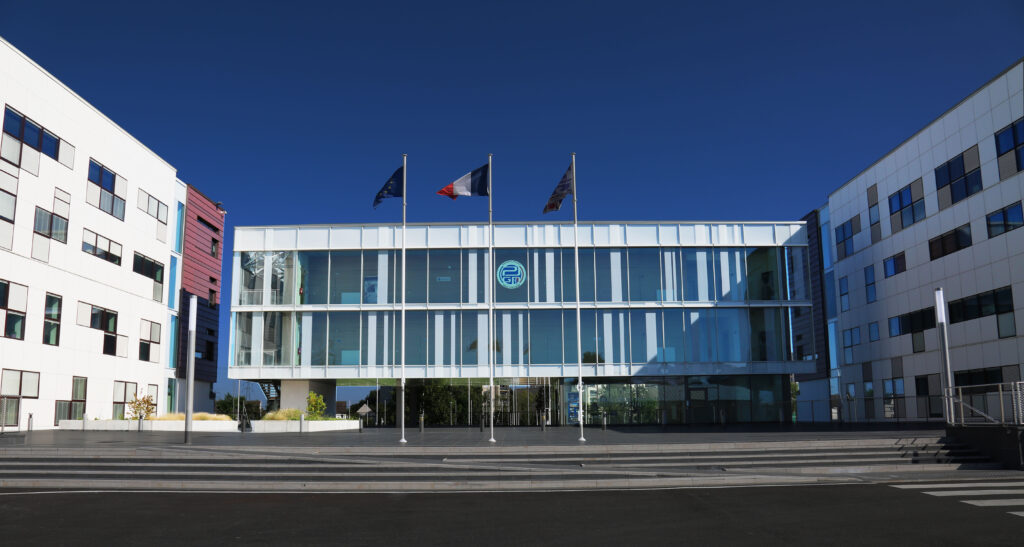
Forensic Science Institute of the French Gendarmerie – IRCGN
From the moment justice sought to uncover the truth through demonstration rather than relying on divine judgment (ordeals), it turned to knowledgeable individuals in relevant fields for guidance. Within the inquisitorial system, as early as the fifteenth century, midwives, surgeons, and physicians were called upon by the courts to determine the nature of a crime, cases of infanticide, to examine a body in order to establish the time of death, the type of injuries, their lethality, or to identify the weapon used. Thus, given the diversity of crimes, all trades quickly became “required,” such as notaries for forged documents, goldsmiths for counterfeit jewelry, or carpenters for break-ins, until the development of specialized sciences in the late nineteenth century brought increasingly advanced expertise—chemistry, toxicology, physics, and even mathematics, as exemplified during the Dreyfus trial. Today, experts organized into professional associations assist magistrates in nearly every country in the world.
The more justice seeks precision in its decision-making, the more it turns to experts to shed light on its judgments and establish the moral or material causality of offenses. France occupies a special place within the global forensic community, due to the theorization, in the early twentieth century, by Dr. Edmond LOCARD[1], of this specific approach to the crime scene, through the formulation of a fundamental principle: “every contact leaves a trace. It is impossible for a criminal to act, especially considering the intensity of a crime, without leaving numerous marks of his presence. Sometimes the offender leaves behind traces of his activity at the scene, while at other times, through a reverse action, he carries away on his body or clothing indications of his presence or his actions.” This clear statement underlines the necessity of trace evidence detection by investigators at crime scenes in order to substantiate the offense and identify its perpetrator.
A second principle essential to forensic sciences was articulated by Paul Leland KIRK (1902–1970): “Every object in our universe is unique. Two objects of common origin can be compared, and individualization can be established if the objects possess sufficient quality to permit the observation of their individuality.”
When these two fundamental principles are combined, one arrives at the scientific demonstration of the individualization of traces and, potentially, of the offender or the location from the traces recovered at a crime scene. Forensic experts constantly strive to identify such individualizing traces, which today are best exemplified by the detection of biological traces left by a perpetrator at a crime scene, enabling the identification of their unique source.
It can thus be concluded that criminalistics seeks to detect and analyze traces and evidence recovered from crime scenes on the basis that the study of effects allows one to infer causes, by applying the first principle—that every contact leaves a trace—and the second—that every trace is individualizing—together with the fact that no two random phenomena ever leave exactly the same traces. Nevertheless, this requires particular caution on the part of those tasked with interpreting results, since the traces discovered by investigators—and those specifically sought[2]—do not reflect all the traces actually present, nor therefore all the effects corresponding to all possible causes.
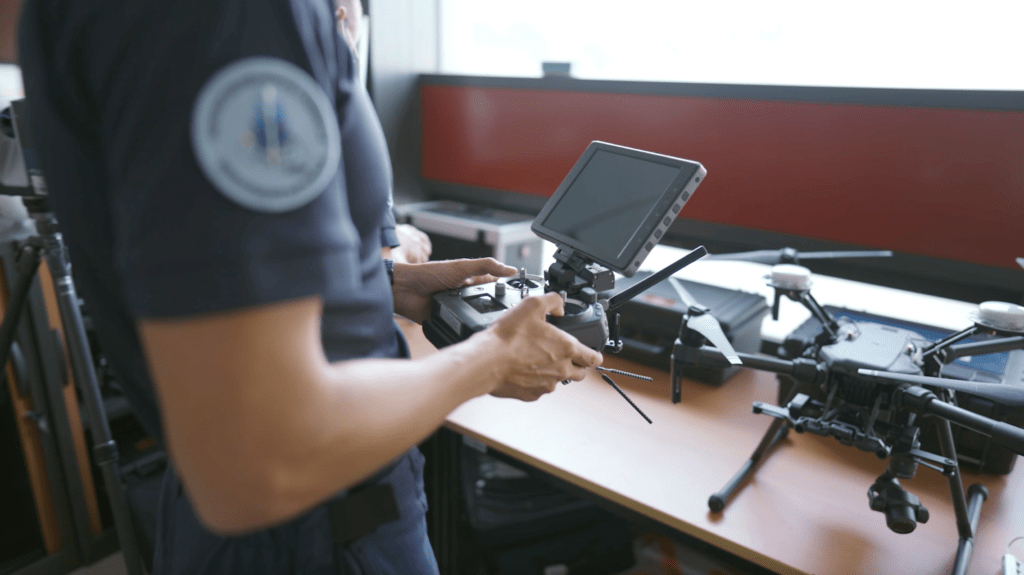
Signal, Image, and Speech Department (SIP) – Credits: Forenseek
The holistic approach to trace analysis drives innovation, leading industry to continually develop techniques for improved detection (such as the crimescope[3] in the 1980s), better collection of highly informative evidence like genetic traces (swabs in the 2000s), the recovery of invisible digital evidence (radio wave sensors/IoT devices in the 2010s), and, more recently, the development of odor sensors capable of detecting olfactory signatures[4] potentially left behind by an offender wearing a mask and gloves. All these new capabilities are now available to forensic police units worldwide. Forensic science laboratories, meanwhile, employ analytical equipment that is increasingly sensitive, specific, and rapid—producing results that are ever more complex to interpret, and requiring the expertise of highly skilled professionals.
When all the data obtained from the exploitation of these different types of evidence are combined, it becomes indispensable to rely on artificial intelligence tools or data-mining methods, which are now prerequisites for understanding, contextualizing, and exploiting the full range of information derived from a criminal case. Whereas in the 1980s a typical case file comprised around 1,000 pages (readable by a single person), today the investigation involves the processing of gigabytes of data in the form of texts, images, recordings, connection logs, audio files, and a wide variety of highly specialized analytical results. Furthermore, each item of evidence carries a specific weight in the demonstration (Bayesian interpretation), which may vary depending on the context of its discovery. For instance, a DNA trace recovered from a cigarette butt (which could have been transported) does not carry the same probative value as the same DNA trace found on a knife embedded in a victim’s back. In forensic science, this relative probative value is formalized using Bayes’ theorem, which allows the probability of one event to be determined from another event that has occurred, provided the two events are interdependent. Here again we find the pursuit of inference through the study of effects to understand their causes.
Only the use of tools capable of automatically creating relational links within a case file, of computing Bayesian networks to assess the weight of each piece of evidence, of annotators able to contextualize words within sentences or detect temporal or geographical inconsistencies between statements, or of systems able to retrieve a specific image from video recordings, will make it possible to fully comprehend the case, to reconstruct events—in short, to “judge.” The development of tools with fully controlled algorithms, free of the cognitive biases of their designers, is currently under evaluation in forensic science laboratories.
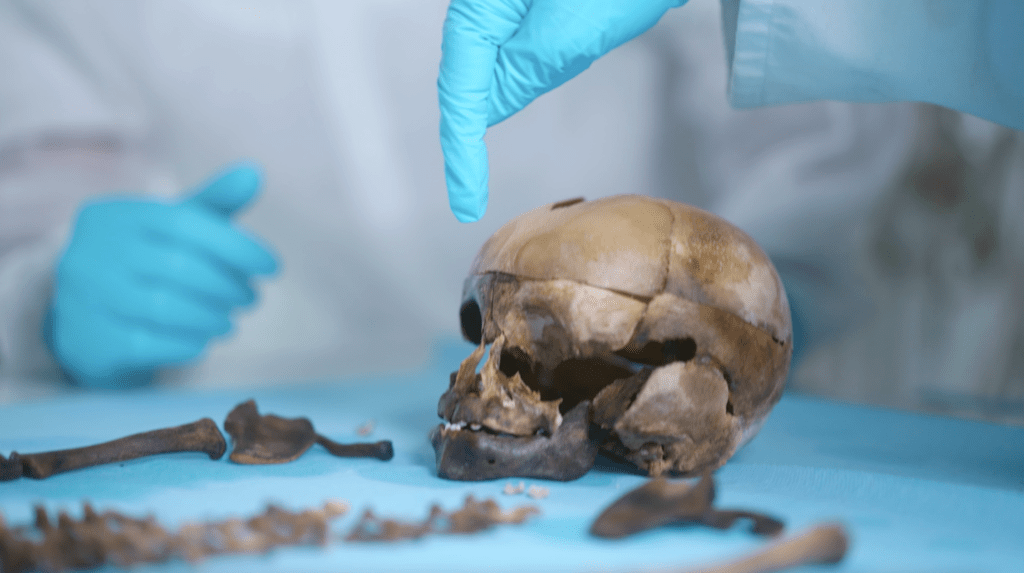
Department of Anthropology and Hemato-Morphology (ANH) – Credits: Forenseek
The capture of all traces present, in every form that technology allows, and their placement within a digital space reconstructing the crime scene, already provides us today with a tool enabling the visualization of such scenes (the digital twin). Yet, far beyond a simple animated reconstruction in augmented reality, the advent of the “metaverse,” integrating all the previously described digital tools, heralds a paradigm shift. A « metaverse » capable of reproducing natural laws (all physical phenomena of the real universe)—the trajectory of a projectile, the fall of a body, the explosion of a bomb and the projection of fragments, even the reconstruction of blood spatter—will enable us to replay scenarios, generate hypotheses, and test them in a theoretical effect/cause feedback loop that can propose alternative sequences of events, redirect the search toward specific traces, or reveal inconsistencies in the discovery of certain evidence. The integration of probabilistic laws into these metaverses will provide investigators and magistrates with a scoring system ranking one hypothesis as more probable than another in light of the traces recovered. The ability to process enormous quantities of data, combined with artificial intelligence algorithms capable of proposing and replaying hypotheses and scenarios, simulating them, and then analyzing their effects to compare and progressively (mathematically) align them with traces found at the crime scene, represents the ultimate step in understanding an event. This should allow the magistrate to come as close as possible to the reality of what occurred.Forensic science, which seeks to reconstruct the past from thousands of data points gathered in the present, opens a field of critical analysis that helps to nourish and shape the overall thinking of our society. Market economies, urbanization, environmental issues, and pandemics raise the same questions of why a situation arises, in order to better adapt to it. Forensic science, in its pursuit of judicial truth in criminal trials, has developed theoretical foundations and tools to address this why and propose a how, thanks to the instruments designed by investigators and forensic scientists.
Références
[1] Edmond Locard (1877-1966) is the author of a Treatise on Forensic Science (Traité de police scientifique) in seven volumes. This work proposes a methodology for this new science and is still used today as a foundation for all forensic science laboratories worldwide. This treatise includes a study of criminal investigation, proof of identity, fingerprints, and the examination of written documents, among other subjects.
[2] “The eye sees in things only what it looks at, and it only looks at what is already in the mind.” Motto attributed by Lacassagne to Bertillon (Niceforo, 1907)
[3] Crimescope: Multispectral lighting allowing the selection of specific wavelengths for certain traces (fiber, blood, etc.) and thus making them detectable in an environment where they were not visible to the naked eye.
Lieutenant Colonel Pham-Hoai served as head of the biology department at the Criminal Research Institute of the French Gendarmerie (IRCGN) and as a DNA expert at the Court of Appeal of Versailles. Among his most emblematic cases as an expert, he conducted with his former team the genetic analyses related to the violence surrounding the death of Adama Traoré in 2016, and the examination of Nordahl Lelandais’ vehicle in connection with the abduction and murder of Maëlys de Araujo in 2017. Before becoming an expert, he gained recognition for his original contribution to solving the murder of Élodie Kulik. Lieutenant Colonel Pham-Hoai reflects on this initiative, in which familial DNA searching led to the resolution of this long-running investigation.
The context of a criminal case
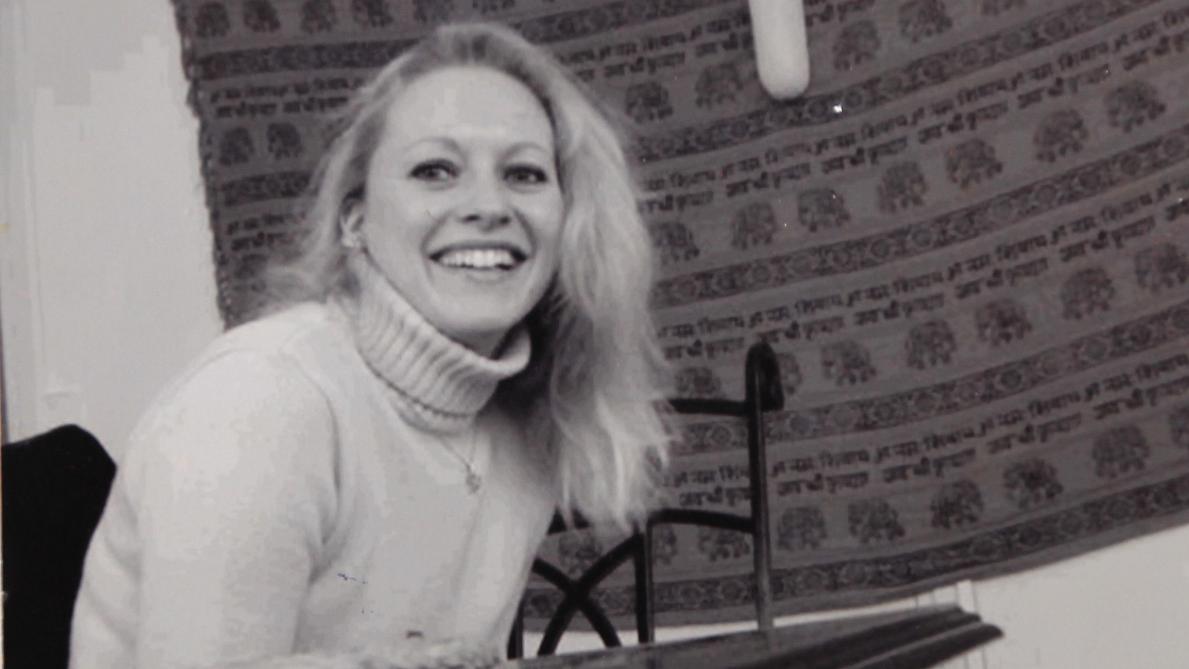
On the night of January 10–11, 2002, Élodie Kulik, 24 years old, was involved in a road accident near Péronne (Somme). Just before her ordeal, the victim managed to call emergency services. On the audio recording, two male voices can be heard. Élodie Kulik was then raped and killed at a green-waste landfill near the accident site. Her attackers set fire to the upper part of her body. The semi-charred remains were discovered on the morning of January 12, 2002, by a local farmer. The Gendarmerie was assigned the case and began its forensic investigation. A male DNA profile was identified both on the victim’s body and on an object found nearby. This same profile was entered into the national automated DNA database (FNAEG). No match was found for the DNA trace recovered from the crime scene. At the time, in 2002, the database was still in its early stages, with few profiles recorded. Investigators from the Amiens Research Section then launched extensive DNA collection operations from all men of potential interest to the case. Convicted sex offenders not yet in the database, as well as individuals named by anonymous tips or public rumors, were sampled—without success.
In July and August 2002, two more young women, Patricia Leclercq and Christelle Dubuisson, were murdered in the Picardy region. It was established that Patricia Leclercq had been raped before being killed. For these two murders, a different male DNA profile was obtained—again without a match in the FNAEG. This new genetic evidence reinforced the idea that at least two serial killers were operating in Picardy targeting young women. The media frenzy intensified, and public emotion reached a peak in the region. In September 2002, Nicolas Sarkozy, then Minister of the Interior, met with the families of the three victims to express his support. Additional resources were allocated, and the investigators continued collecting DNA samples from all suspects. Through this process, they identified Jean-Paul Leconte as the murderer of Patricia Leclercq and Christelle Dubuisson. However, it was established that Leconte was incarcerated in January 2002 and had not been granted leave. He was therefore ruled out as a suspect in the rape and murder of Élodie Kulik.
Despite the media storm and these unfortunate coincidences, the real challenge for investigators remained above all a human one. The Kulik family had already endured devastating losses. Her parents had lost two children in a car accident in the mid-1970s. Despite this tragedy, the couple had chosen to rebuild their family a few years later, giving birth to Élodie and her brother Fabien. Élodie’s murder became the final blow for her mother, who attempted suicide. Her act led to a vegetative coma that lasted nine years before her death in 2011. Jacky Kulik, Élodie’s father, turned his despair into determination to ensure that his daughter’s murder would be solved. He mobilized support, engaged with the media, and organized white marches to prevent the case from being forgotten. He even offered a reward to anyone who could provide information leading to the arrest of the perpetrators.
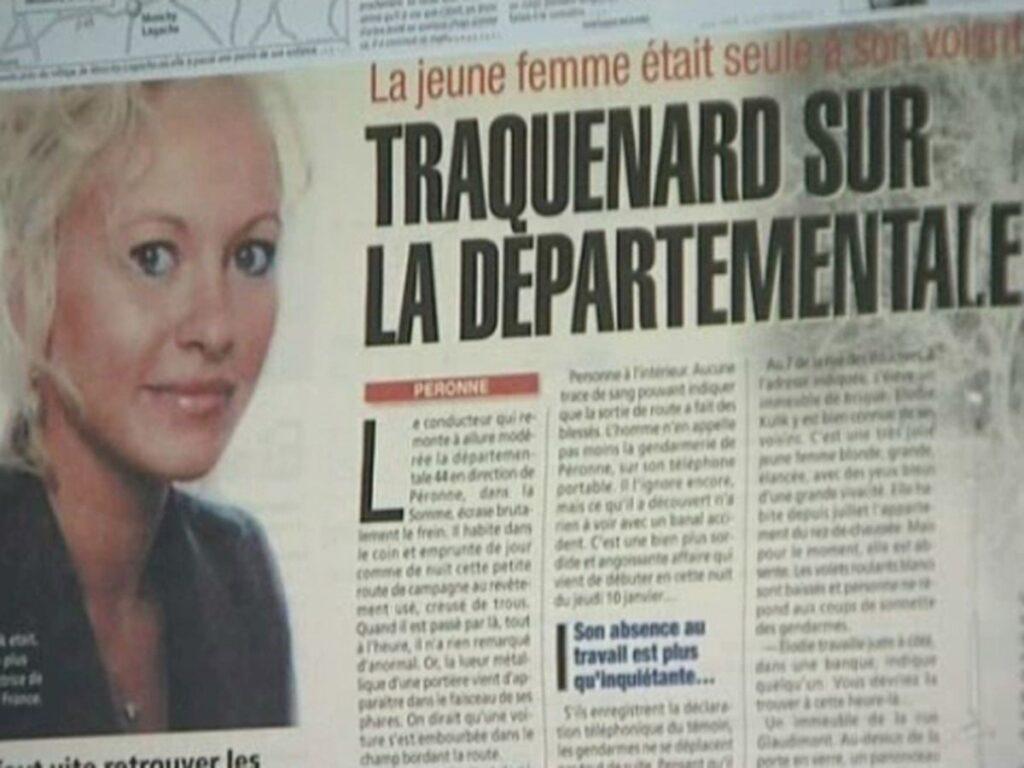
Front page of Courrier Picard — Ambush on the departmental road. Credit: France 3 Nord–Pas-de-Calais
Investigators persevered in their efforts, collecting DNA samples from over 5,000 individuals by 2010. None of them matched the DNA profile found at the scene. At the same time, no lead made it possible to identify the second suspect heard on the audio recording, in the absence of his genetic profile. Several investigators and investigating judges succeeded one another on the case. The investigation had reached a dead end.
So how could a young gendarmerie captain, with a scientific background and just beginning his career in judicial police, help?
A Fresh Look at the Élodie Kulik Case file
Assigned to the criminal investigation division in 2009, I arrived with two master’s degrees—one in health engineering and the other in molecular biology. My first three years of service were spent at the Criminal Research Institute of the National Gendarmerie (IRCGN), where I was part of the interministerial committee in charge of the national DNA database (FNAEG). Suffice it to say, I knew little about criminal investigations beyond what I had been taught at the National Gendarmerie Officers’ School. My superior at the time, Colonel Robert Bouche, put me in charge of the property crime division and gave me the additional mission of learning how to lead investigations. Simple at first but quickly grew more complex, like solving an equation. I was clearly not the Institution’s new Sherlock Holmes, but I quickly understood that a well-conducted investigation is nothing more—and nothing less—than a scientific demonstration. The parallel is striking: hypotheses are formed (I suspect Pierre and Paul may be involved in the crime), tested through experiments that generate data (witness statements, physical and technical surveillance provide those data), and the results are interpreted (if my witness testimony and technical surveillance show that Pierre and Paul were indeed present at the crime scene at the time of the offense, can I for all that assert that they are the perpetrators?). By applying scientific reasoning and rigor, I was able to bring objectivity and avoid any form of arbitrariness. This clinical approach to examining the elements of an investigation—regardless of the outcome— allows one to get as close as possible to the factual reality. The hardest part is maintaining some distance from promising early leads that may turn out to be wrong. A good investigator is, in a sense, a scientist without knowing it.
In August 2010, the commander of the Research Section decided to promote me to head of the Crimes Against Persons Division, which handles homicides and narcotics trafficking. That was when I discovered the Kulik case in detail and its scope. Having never taken an interest in this murder before my assignment to Amiens, I read the investigative reports with a fresh perspective, just as Colonel Bouche intended. Scientific reasoning immediately took precedence over any other considerations. First and foremost, I carried out my own work of gathering and synthesizing the data from the case file, avoiding any shortcuts or assumptions.
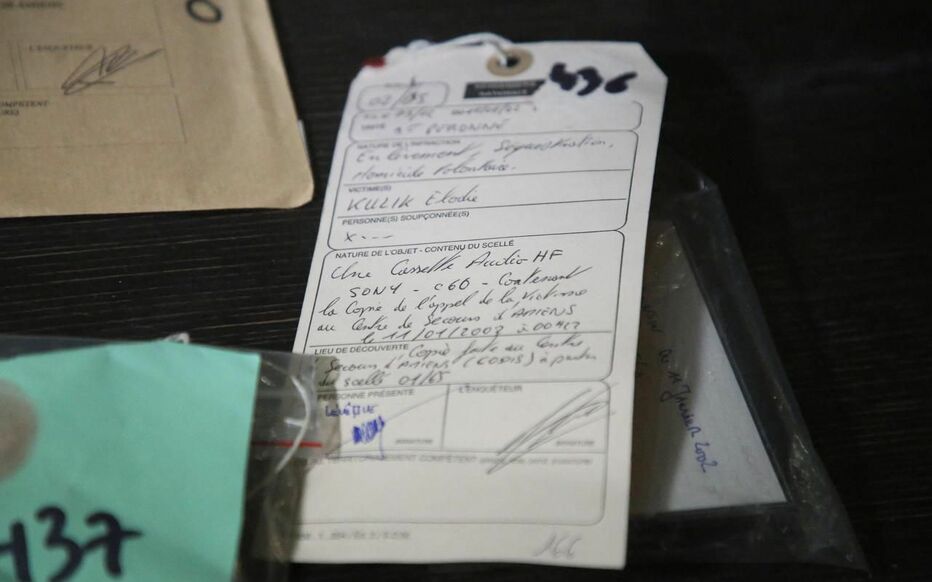
Judicial evidence seal containing the audio cassette of Élodie Kulik’s call to the Amiens emergency center on January 11, 2003. Credit: Courrier Picard – Frédéric Douchet
As I read through the investigative reports, I realize that all suspects—both the most relevant and the less likely—had been sampled. As soon as a man became a suspect for probable and/or plausible reasons, his genetic profile was obtained and compared with that of the crime scene trace. By 2010, over 5,000 individuals had been tested—the equivalent of a medium-sized town.
All potentially suspicious men, whether they lived or had lived near the crime scene, or were designated through public rumor (in other words, persistent gossip), had their DNA sampled, all without success. What does this teach me about the suspect being sought, and more specifically, about his absence from the DNA sampling operations?
Three explanations could account for his absence:
He had never been involved with the justice system before or after the rape.
He fled to a place where he could never be located and sampled.
He has died since the murder.
Another factor must be taken into account: the extensive media coverage of the case. The press repeatedly made public the fact that a male DNA profile had been recovered at the crime scene. If the suspect is still alive, there is no doubt that he is aware of this information. This gave him a definite advantage—a head start—allowing him to remain on guard. However, this advantage could be compromised by the second suspect, who could at any time denounce him to save himself. Yet since 2002, that has not happened. It seems reasonable to assume that if the second suspect has never come forward, he will continue to stay silent—especially if he is convinced that his own DNA was not found at the crime scene.
In 2010, a conclusion becomes clear to me: the most promising element for identifying the two suspects is the DNA profile left by one of them at the scene. Nevertheless, how can one identify an individual based solely on his genetic profile if it is not in the database—and likely never will be? How can we obtain a last name that could revive the investigation? This is where genetic knowledge, combined with the capabilities of the FNAEG, comes into play.
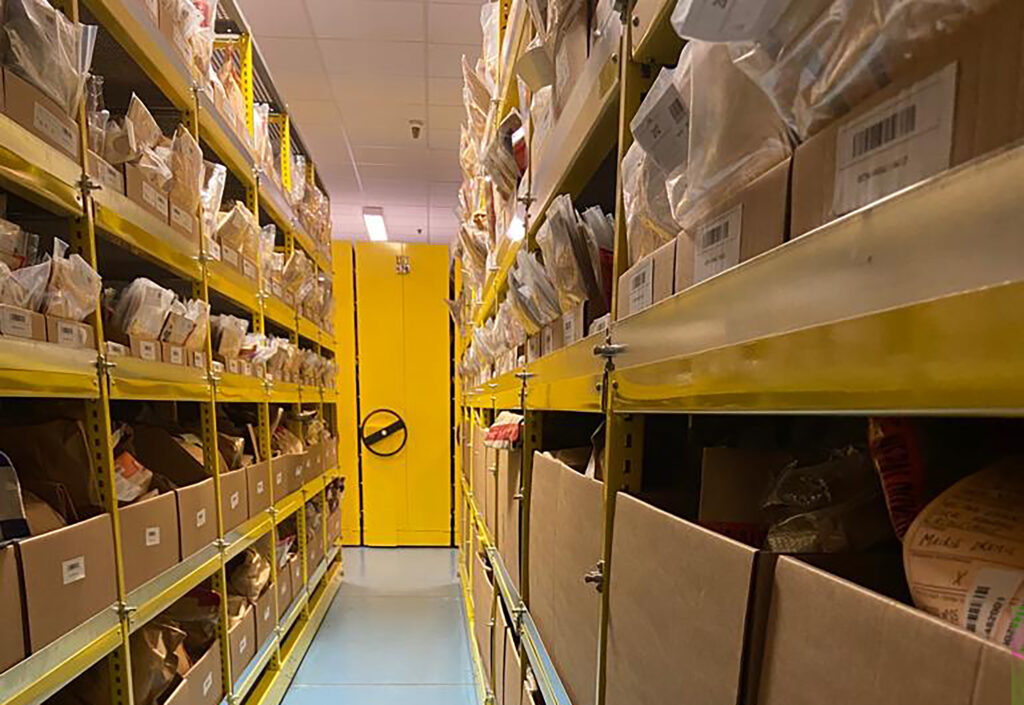
Storage of biological evidence at the Central Service for the Preservation of Biological Samples (SCPPB), attached to the Institut de Recherche Criminelle de la Gendarmerie Nationale (IRCGN). Credit: PGJN
Familial DNA searching: a new use of genetics in criminal investigation
The DNA profiles recorded in the FNAEG are composed of markers: in 2002, there were 15 of them, with a potential increase to 17. This does not include the marker determining sex. Each marker carries two alleles: one inherited from the father, the other from the mother. Thus, the genetic profile of an individual, defined by 15 markers, contains 30 alleles. Of these 30 alleles, half are identical to those of the individual’s father, and the other half to those of the mother.
When comparing a trace to the genetic profile of an individual, the FNAEG’s comparison engine searches for strict allele matches. In other words, in the case of a 15-marker individual, all 30 alleles must be identical to those of the trace for the database to return a hit (commonly referred to by experts as a “match”) to the investigator. If not, the search is deemed unsuccessful. Yet there are cases where partial correspondences may be of value: those in which the parent of a trace donor is sought.
Indeed, if the suspect is not in the database, perhaps their parents or children are. These relatives could lead investigators to the suspect by providing a surname. From there, the suspect’s family tree can be reconstructed using civil registry records. The method is straightforward: if the suspect’s parent is in the database, the search engine should return all individuals whose profiles share 50% of their alleles with the crime scene trace. Complementary analyses such as paternity or maternity tests can then definitively confirm the kinship link between the individual and the trace.
As this idea seemed coherent, I began researching whether it had already been implemented abroad. Following a scientific approach, I conducted a literature review. I humbly assumed that other scientists abroad must have had the same idea, implemented it, and published their findings. Their experience—whether successful or not—could help me save time. This search led me to a case report published in the renowned journal Science. The article described the case of the “Grim Sleeper,” a serial killer responsible for at least eleven murders of young women in California between 1985 and 2010. Although he had left his DNA at multiple crime scenes, he had always eluded law enforcement and was never entered into the database. North American experts used the same approach I had imagined and successfully identified his son whose genetic profile was registered for prior offenses. The article also mentioned other U.S. states using this technique. At this stage of my research, I was convinced that the FNAEG must already be using such searches, albeit on an exceptional basis. To my great surprise, when I contacted the database representatives, I learned that this scenario was not provided for.
The publication of familial DNA searching in a major scientific journal reassured me of the validity of my approach. Thanks to contacts from my previous posting, I submitted my proposal to the Directorate of Criminal Affairs and Pardons at the Ministry of Justice. Their response confirmed that it would be a first in France: the FNAEG had never been envisaged in this way. Nothing prohibited such a search, but nothing explicitly allowed it either. The immediate question was whether the technique would be legally valid if it led to the identification of one of Élodie Kulik’s attackers. A year of debate followed to ensure that the investigation would not be compromised by this new method. The decision finally came in 2011: we were authorized to use the technique. If successful, it would not constitute grounds for procedural nullity. In the background, it was even envisaged that the method could be extended to a broader range of cases.
Once authorized, the request was submitted to search the FNAEG for all individuals sharing half their alleles with the crime scene trace. As with our North American counterparts, the gamble paid off and yielded a second surprise—this time a fortunate one: the suspect’s father was in the database. A paternity test based on comparing the Y chromosome in the trace and that of the identified individual confirmed that they belonged to the same paternal line. With the surname now identified, we reconstructed the suspect’s family tree. We traced it back to his eldest son, the likely source of the trace. Then came a third, less pleasant surprise: the suspect had died in 2003 in a road accident, just one year after the crime. After ensuring that no other family member could be involved, his body was exhumed in early 2012. The analysis confirmed that his genetic profile matched the crime scene trace.
The suspect’s death shortly after the events explained his absence during DNA collection operations from 2002 to 2010. The experiments permitted to validate the hypotheses. Even if difficulties lay ahead, I knew that the case would eventually be solved. Once investigators have a lead—and even more so a name—they pursue it to the end. Extensive work was carried out to reconstruct the suspect’s family and social environment prior to his death. That’s how, by mid-2012, the second suspect was identified. He was later confirmed by voice recognition from the emergency call made by Élodie Kulik on the night of her death. Tried at first instance in December 2019 and again on appeal in July 2021, he was sentenced to 30 years in prison for the rape and murder of Élodie Kulik.
When people ask how I came up with the idea of searching for a relative of the suspect in the FNAEG—an idea some consider brilliant, though it is in fact very simple—I always give the same answer: there’s nothing extraordinary in what I did. It was scientific reasoning combined with investigative experience. Hypotheses were formulated, then tested using investigative tools. Results were considered with appropriate distance. Discussions were held with more experienced gendarmes—because collective reflection is always better than facing a difficult result alone. This is something any scientist or any individual with intellectual rigor and logic could do.
The similarity between identical twins is not only physical. They also share the same genetic heritage, which can undermine the famous DNA evidence. But perhaps not for much longer…
A recent case illustrates the challenge of judging a criminal matter involving twins. On March 17, 2021, the Assize Court of Val-d’Oise in Pontoise heard the case of two twin brothers charged with three attempted murders. Acquitted of the first two charges, they were nonetheless both sentenced to twelve years in prison for the third. A surprising decision, but one justified by the impossibility, in the first two cases, of determining with certainty to whom the DNA traces found on a handgun actually belonged.
This case is reminiscent of the Gomis brothers affair, involving a series of rapes and attempted rapes in the Marseille area in 2013. Unable to distinguish them based on their DNA, the police initially charged the wrong twin before obtaining a confession from the actual perpetrator.
Alike, but not 100% identical.
Identical twins, also known as monozygotic twins—originating from the division of the same egg fertilized by the same sperm cell—share the same genetic heritage. This makes it extremely difficult to differentiate them on the basis of DNA, which in recent years has become the gold standard of scientific evidence in criminal investigations. DNA analyses focus on tiny non-coding regions of the genome, which vary from one individual to another but are identical in true twins.This genetic challenge, however, may soon be overcome. In a study of 387 pairs of twins published on January 7, 2021 in the journal Genetics, Icelandic scientists highlighted the existence of early genetic mutations occurring during gestation, at the time of cell division. These sometimes minor alterations help explain physical differences as well as variations in susceptibility to certain diseases.
Distinct fingerprints.
In the future, advances in laboratory sequencing techniques may allow twins to be distinguished by their DNA. Until that technological leap is achieved, forensic science can still rely on fingerprint analysis. Every individual possesses unique fingerprints, with the statistical probability of sharing them with another person estimated at 1 in 64 billion—so low as to be practically impossible.
Contrary to common belief, twins are no exception to this rule. While DNA plays a fundamental role in shaping fingerprints, many other factors influence their formation. Developed in utero between the thirteenth and twentieth week of gestation, fingerprints are subject to a range of environmental ‘stresses’: pressure against the uterine walls, friction within the amniotic fluid or against the umbilical cord, thumb sucking by the fetus. According to some studies, maternal behavior may also affect fingerprint patterns: exposure to toxic agents (alcohol, drugs), certain medications, viral or bacterial infections, or even psychological stress during pregnancy can all increase the likelihood of alterations. After birth, accidents, skin diseases, or medical treatments may further modify the detail of the ridge patterns.
These are valuable indicators that forensic science can use, when confronted with a criminal case, to resolve the mystery of twin identity.
Forensic police has long been accustomed to tracking DNA at crime scenes, most often found in bodily fluids and hair. A recent discovery by two scientific teams has now demonstrated that this genetic signature can also be found in the air.
As is often the case with scientific breakthroughs, it all began with research far removed from criminalistics. In early 2021, researchers from the University of York in England and the University of Copenhagen in Denmark installed air-sampling devices equipped with filters in two European zoos to collect air samples and analyze their composition. The initial goal was to determine whether this method could be used to identify the animal species present in a natural habitat, monitor them to improve protection, and thus achieve highly accurate tracking of endangered species.
The results of the sequencing went far beyond expectations: in both cases, the scientists detected not only the DNA of numerous animal species but also human genetic material from the individuals conducting the experiment. A first of its kind—and a development that promises to further advance forensic investigation techniques.
Human DNA: a marker unique to each individual.
It was only in the 1980s that criminal investigations began incorporating the search for DNA traces at crime scenes. This breakthrough was pioneered by Alec Jeffreys, a British researcher at the University of Leicester. Once again, the aim of his research was far removed from forensic science: his team was primarily studying the hereditary transmission of certain genetic diseases. Along the way, however, they discovered that portions of the genome’s DNA are unique to each individual. This discovery led, in 1985, to its first practical application. Called upon by police investigating the murder of two young girls, Jeffreys’ laboratory demonstrated—through semen traces collected at the crime scene—that both killings had indeed been committed by the same individual.
DNA in the air: a decisive breakthrough.
Advances in sampling and analysis techniques, along with the launch in 2000 of the French National Automated DNA Database (FNAEG), which today contains nearly 3.5 million genetic profiles, have already revolutionized investigative methods. It is now possible to detect and sequence DNA from even the tiniest traces left behind by an individual—whether perpetrator or victim. This includes blood, semen, or sweat, as well as hair with its root attached. In the absence of a hair bulb, mitochondrial DNA (inherited exclusively from the maternal line) is targeted.
The ability to capture DNA suspended in the air and compare it to that of potential suspects or to entries in existing databases opens up entirely new perspectives for solving the most complex criminal cases.