Tag Archives: médecine-légale

Towards a revolution in post-mortem forensic imaging

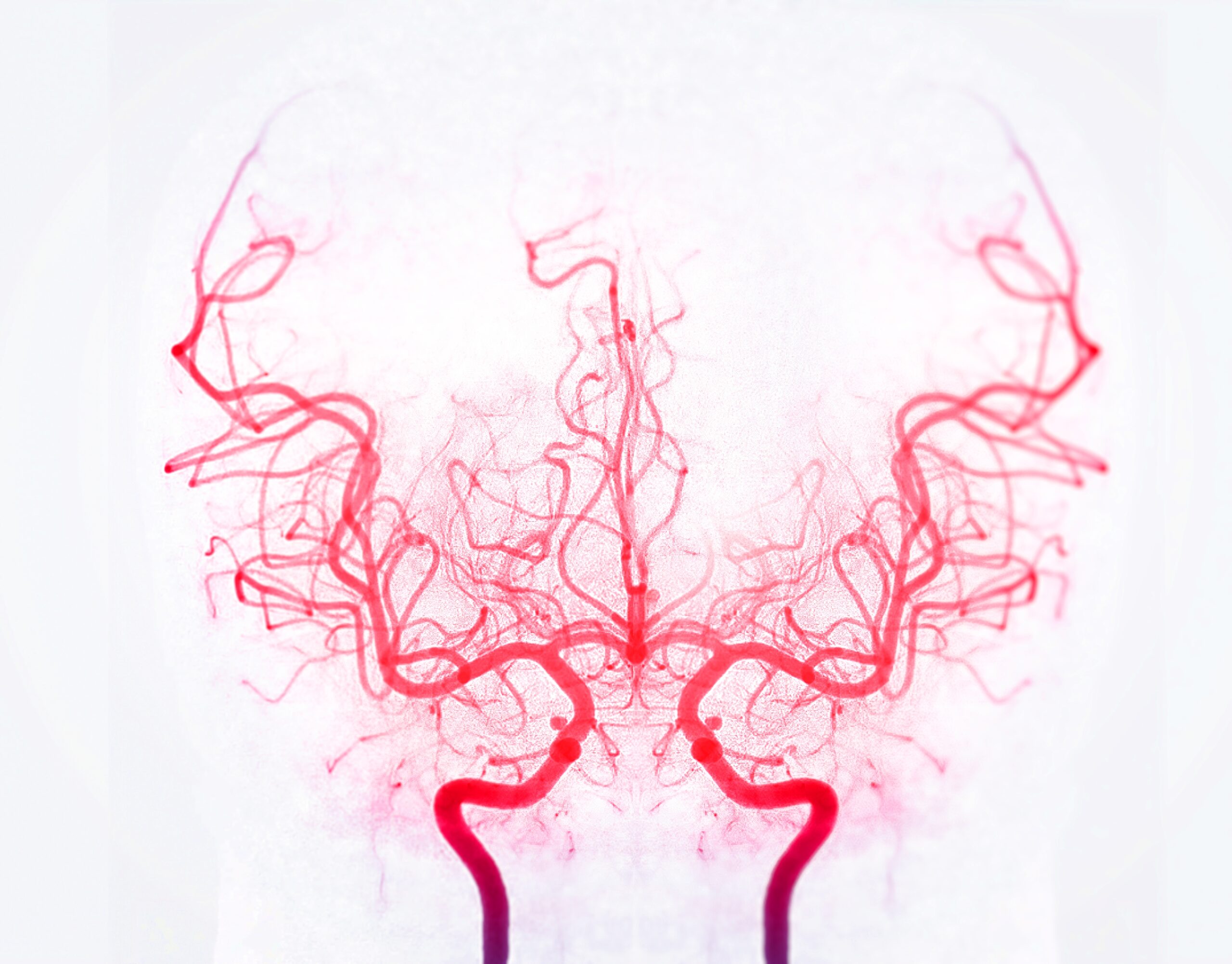
How can an internal lesion go unnoticed during autopsy yet may have potentially caused death? In forensic medicine, understanding internal trauma is essential to reconstructing the sequence of a violent event. Among such injuries, those involving the vertebral artery present a major challenge. Subtle and often concealed by bone structures, they frequently escape traditional examination methods. A recent technological breakthrough in forensic imaging offers a promising approach: combining fluoroscopy and micro-computed tomography (micro-CT) to analyze post-mortem vascular injuries with unprecedented precision.

Key artery, difficult access

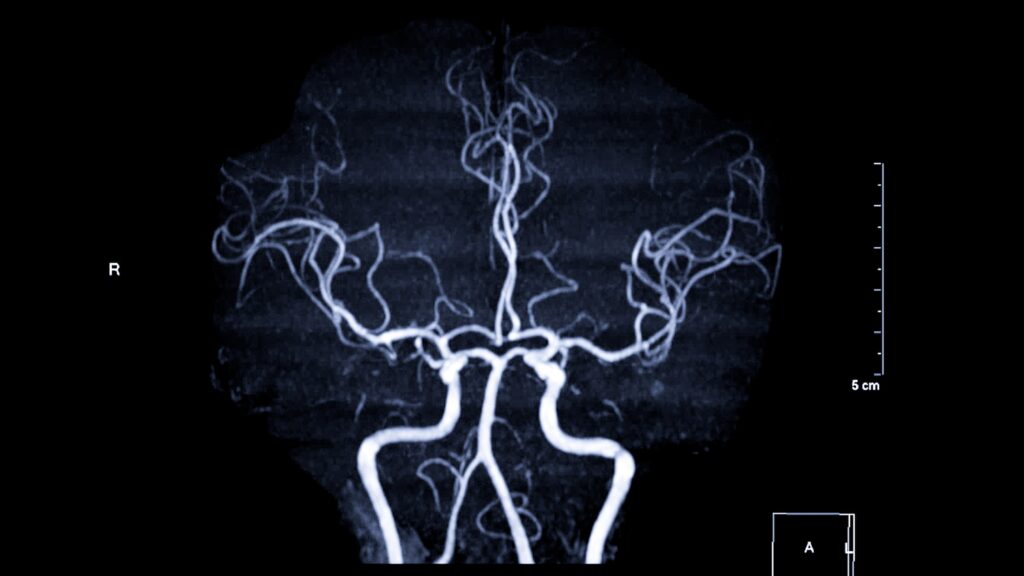
The vertebral artery supplies vital regions of the nervous system, including the brainstem, cerebellum, and posterior areas of the brain. Even a minor injury can trigger a stroke, a rapid neurological collapse, or sudden death. Its anatomical pathway, deeply embedded within the cervical spine, makes it particularly difficult to explore. In a forensic context, a lesion affecting this artery represents a critical clue when analyzing a penetrating neck wound, often revealing a potentially lethal intent.

Forensic imaging to observe real-time blood flow

The vertebral artery supplies vital regions of the nervous system, including the brainstem, cerebellum, and posterior areas of the brain. Even a minor injury can trigger a stroke, a rapid neurological collapse, or sudden death. Its anatomical pathway, deeply embedded within the cervical spine, makes it particularly difficult to explore. In a forensic context, a lesion affecting this artery represents a critical clue when analyzing a penetrating neck wound, often revealing a potentially lethal intent.

Micro-CT: diving into the heart of the lesion

To overcome this limitation, researchers have turned to micro-computed tomography (micro-CT), a very high-resolution imaging technique. The sample is rotated during the acquisition of thousands of radiographic images, which are then reconstructed into a digital 3D model. This process reveals otherwise invisible details such as arterial wall tears, thrombi, dissections, or partial ruptures. These reconstructions allow for virtual dissections from multiple angles without altering the body, ensuring a high level of reproducibility, an invaluable feature in forensic investigations.

A standardized method serving both justice and medicine

The protocol developed by Secco and colleagues relies on ex situ imaging, meaning that the examination is performed on an artery extracted from the body. This approach overcomes several obstacles, such as advanced decomposition, previous surgery, complex trauma, or movement artifacts. With the injection of a contrast agent, the vascular network becomes clearly visualized, allowing for precise and stable documentation. These high-quality images serve as robust evidence admissible in court and represent a valuable resource for medical teams involved in planning neurosurgical or trauma-related procedures.
An educational and scientific tool

Beyond their diagnostic value, 3D reconstructions and fluoroscopic videos serve as outstanding educational tools. They allow for a strikingly realistic visualization of injury mechanisms and a deeper understanding of the biomechanics of penetrating trauma. This refined comprehension of the forces at play helps not only researchers characterize vascular lesions, but also engineers design more effective protective equipment and forensic experts accurately reconstruct the circumstances surrounding a violent act.

Towards a new standard in forensic medicine

Born from close collaboration between radiologists, pathologists, engineers, and chemists, this imaging protocol represents a major step forward in forensic practice. The growing accessibility of micro-CT equipment suggests its forthcoming integration into routine autopsies. With the continuous improvement of imaging technologies in terms of resolution, speed, and multi-contrast capacity, the prospect of non-invasive post-mortem vascular examinations is becoming increasingly realistic. In the long term, this method could be extended to other arterial regions (carotid, subclavian, intracranial), thereby deepening our overall understanding of vascular trauma.

Conclusion

At the crossroads of technology and forensic science, this approach combines precision, rigor, and innovation. By providing a three-dimensional and reproducible reading of internal injuries, it transforms the way stab wounds involving the vertebral artery are analyzed. This is a major advancement, serving both judicial truth and scientific knowledge, and it paves the way for a new generation of autopsies that are finer, more reliable, and better documented.

References  :

Bioengineer.org. (2024). Detecting Vertebral Artery Stab Wounds with Imaging. Read here.

Secco, L., Franchetti, G., Viel, G. et al. Ex-situ identification of vertebral artery injuries from stab wounds through contrast-enhanced fluoroscopy and micro-CT. Int J Legal Med (2025). Read here.

Medscape. (2024). Vertebral Artery Anatomy. Read here.
Uncovering the meaning of suspicious injuries in cases of child abuse

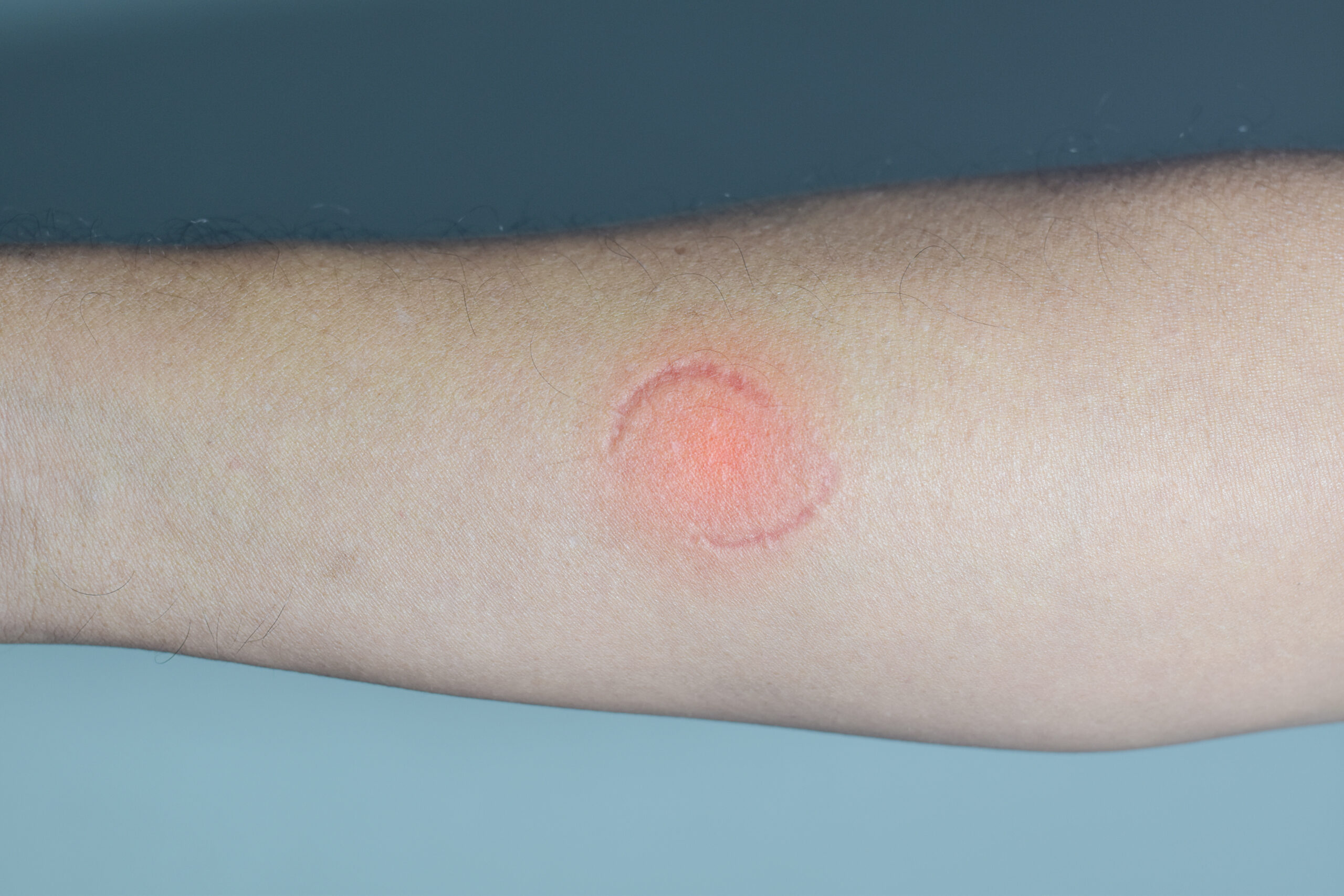
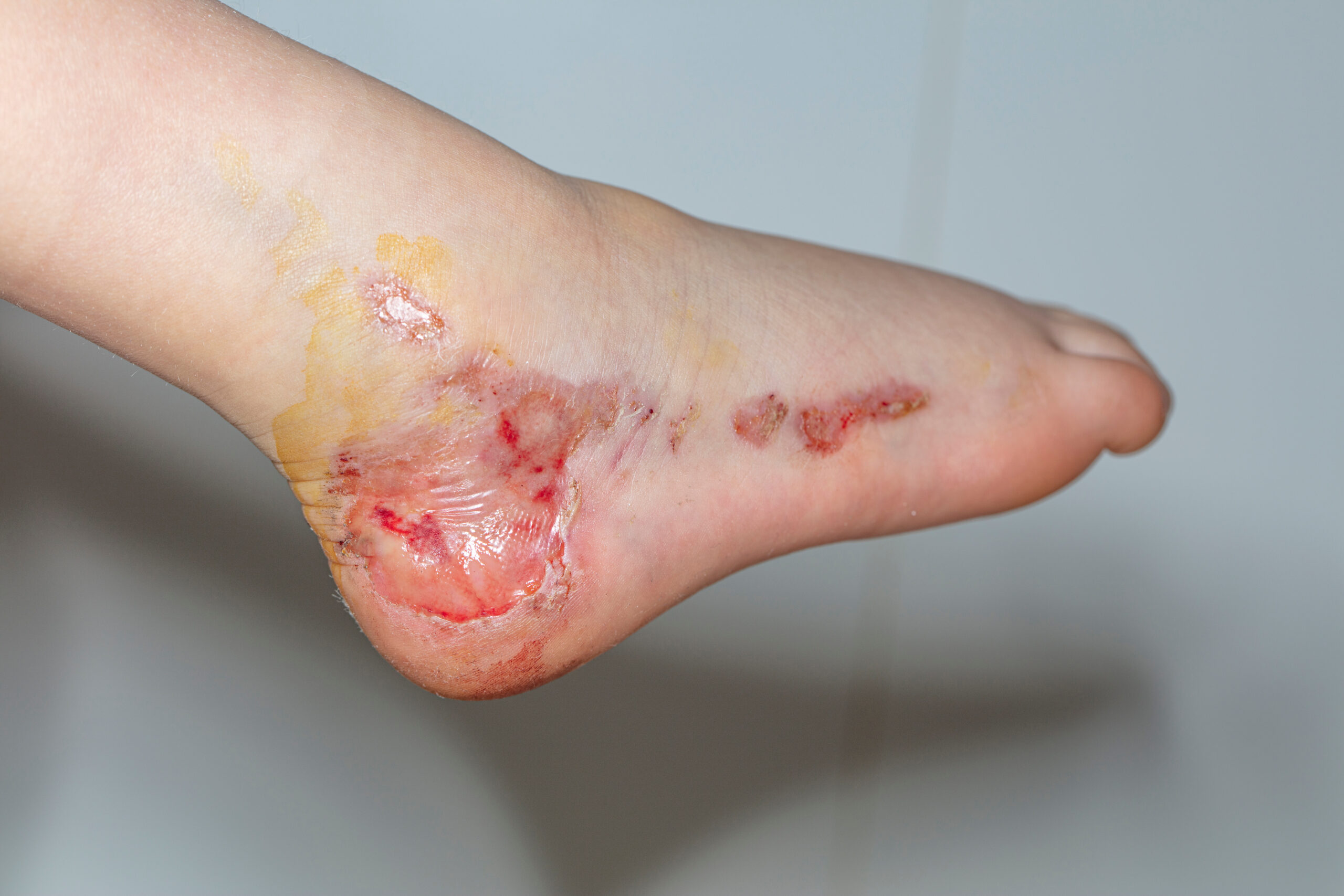
There is a certain difficulty in objectively identifying a cigarette burn in a forensic context, particularly when the victim cannot testify. Such lesions are of particular relevance in cases of suspected child abuse. Until now, diagnoses have relied mainly on the morphological appearance of the injuries, with no standardized tool to support a conclusion based on material evidence.

A striking clinical case of child abuse

A team from the Laboratory of Histological Pathology and Forensic Microbiology at the University of Milan investigated a suspected case of child abuse that resulted in the death of a child. Three circular lesions suggestive of cigarette burns were found on the body. A cigarette butt collected nearby further supported the suspicion of an intentional act. The challenge was to determine whether these marks were the result of deliberate harm. However, visual inspection and even conventional histology cannot always confirm the exact origin of such lesions. Hence the value of turning to a more refined and objective method.

The SEM–EDX method: a microscopic zoom on the lesion

Scanning electron microscopy (SEM) allows the morphology of the injured skin to be observed with extreme precision, while energy-dispersive X-ray spectroscopy (EDX) identifies the chemical elements present on the surface of the lesions. This analysis relied on internal calibration, applied both to samples of injured skin and to cigarette fragments collected at the scene.

Elemental signatures of an intentional act

The results revealed a circular lesion with a reddish base, consistent with intense thermal contact. The chemical composition detected by EDX contained elements typically associated with tobacco combustion, in particular sulfur trioxide and phosphorus oxides, confirming combustion rather than mere environmental residues. Combined with the histological findings, this analysis demonstrated that the injury had occurred prior to death, providing an objective element supporting the likelihood of abuse.

A tool to strengthen forensic expertise

The study demonstrates that SEM–EDX analysis, combined with histology, represents a significant advancement in the characterization of suspicious lesions in the context of child abuse. It moves beyond visual assessment to provide objective and reproducible data, essential in judicial proceedings. By overcoming the limitations of visual inspection, this approach delivers results based on reproducible physico-chemical evidence, thereby reinforcing the robustness of forensic conclusions in light of judicial requirements.

Conclusion

This study paves the way for broader integration of analytical microscopy into forensic practices. By combining scientific rigor with judicial investigation, it offers a robust method for clarifying the nature of lesions whose origin often remains uncertain. The approach could also be applied to other types of injuries, such as those caused by heat sources or chemical agents. This progress deserves to be extended and validated on a larger number of cases in order to refine its reliability.

Références :

  • Tambuzzi S. et al. (2024). Pilot Application of SEM/EDX Analysis on Suspected Cigarette Burns in a Forensic Autopsy Case of Child Abuse. American Journal of Forensic Medicine & Pathology, 45(2), 135‑143. Read here.
  • Faller-Marquardt M., Pollak S., Schmidt U. (2008). Cigarette Burns in Forensic Medicine. Forensic Sci. Int., 176(2–3), 200–208
  • Maghin F. et al. (2018). Characterization With SEM/EDX of Microtraces From Ligature in Hanging. Am. J. Forensic Med. Pathol., 39(1), 1–7, read here.
bite marks on victim

Bite marks: reliable evidence?

While dental analysis has become an established technique in forensic identification, the reliability of bite mark analysis is now under scrutinity due to the lack of sufficient scientific grounding.

Like DNA or fingerprints, teeth and jaws constitute a unique “identity card” for each individual. This observation gave rise to a distinct branch of forensic medicine—forensic odontology—which found one of its earliest applications in 1897, during the Bazar de la Charité fire in Paris. Faced with completely charred and unrecognizable bodies, the authorities decided to call upon the victims’ dentists.

When teeth leave their marks

Since then, this method of identification has been systematically employed whenever human remains must be identified, whether individually or in mass disaster situations, regardless of the circumstances of death. Dental structures are highly resistant to nearly all destructive factors, including burial, cremation, immersion, and even physico-chemical assaults.

In the absence of other data, a forensic odontologist’s examination of teeth—considering pathologies and tooth wear patterns in particular—can provide valuable information on sex, age, ethnicity, and dietary habits. By comparison with ante-mortem dental records, such analyses can formally establish an individual’s identity.

Another area of forensic odontology involves the interpretation of bite marks found on victims—whether living or deceased—as well as on perpetrators or even on certain objects. Today, experts conduct these analyses using digital technologies such as 3D laser scanning, which may lead either to the identification or, conversely, to the exclusion of a potential assailant. However, since there is no standardized or automated methodology and interpretation must take into account numerous factors beyond dental patterns, some specialists argue that this forensic technique lacks sufficient scientific grounding and cannot be considered conclusive evidence.

Reliability under scrutiny

The controversy, which began in the United States in 2009 with a study published by the National Academies of Sciences, Engineering, and Medicine, has recently resurfaced following a draft report issued by the National Institute of Standards and Technology (NIST), questioning the scientific rigor of such analyses.

According to NIST, the interpretation of bite marks relies on two fundamental assumptions: first, that dental impressions are unique; second, that bite marks remain perfectly preserved regardless of the medium. In reality, they often involve only part of the dentition (primarily the anterior teeth). Moreover, human skin—the most common substrate for such marks—is by nature a pliable tissue, subject to distortion depending on its elasticity, the victim’s movements, the development of bruising, and the degree of healing at the site. All these factors, experts argue, undermine the reliability of bite mark comparison as a means of incriminating a suspect.Although this federal agency’s report is still in draft form, its preliminary findings are already stirring significant debate within the scientific community and among advocacy organizations working to prove the innocence of individuals wrongfully convicted. One such organization, the Innocence Project, based in the United States, has highlighted that 26 people were wrongfully convicted on the basis of bite mark evidence—an alarming fact that foreshadows numerous legal battles to come

Sources

https://www.scientifique-en-chef.gouv.qc.ca/impacts/ddr-medecine-legale-les-marques-de-dents-une-science-exacte/

https://reason.com/2022/10/19/federal-report-adds-to-the-evidence-that-bitemark-analysis-is-nonsense/

https://www.gendarmerie.interieur.gouv.fr/pjgn/ircgn/l-expertise-decodee/identification/les-dents-aussi-discriminantes-que-l-adn

https://hal.univ-lorraine.fr/hal-01947165

https://innocenceproject.org/what-is-bite-mark-evidence-forensic-science/