With the film « Criminal » or the series « Mindhunter », American productions had already accustomed us to delving into the minds of criminals. Fiction is now becoming reality, as recently demonstrated by the Dubai police with their Memory Print machine.
Reading a suspect’s thoughts to better expose them was, not so long ago, an idea worthy of science fiction. Today, it has become possible. The General Department of Forensic Science and Criminology of Dubai has, for the first time, used the ‘Memory Print’ technology (which could be translated as ‘memory imprinting machine’) to solve a criminal case. This first application undoubtedly opens up new perspectives for investigators worldwide.
The case took place in January 2022. Following a murder committed in a warehouse where the murder weapon was recovered, Dubai police identified several potential suspects. Investigators decided to subject them to this new technological tool, which had already been under experimental use in their department for a year.
Memory Print: a 100% reliable cognitive polygraph?
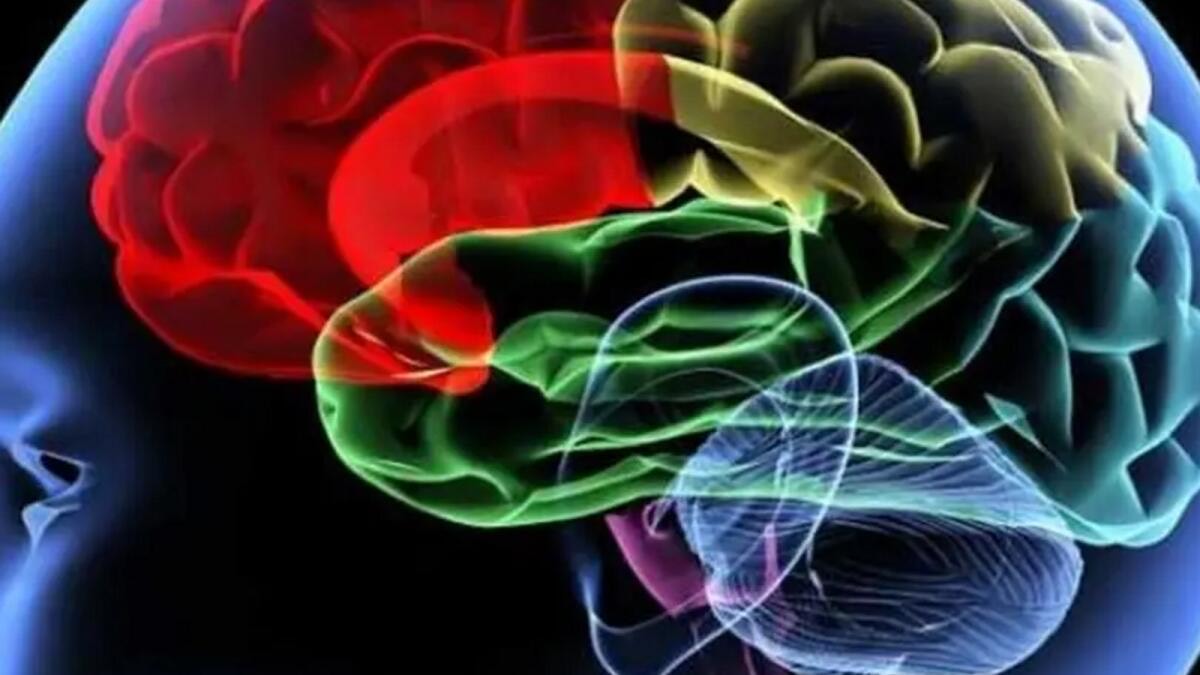
How does this technique work? During an interrogation, a headset equipped with electrodes and connected to the machine is placed on the suspect’s head. They are then shown photos or objects related to the murder. The Memory Print records the brainwaves emitted by the subject’s brain, particularly the P300 waves. These waves correspond to brain activity triggered by a visual or auditory stimulus. A spike in these specific waves indicates that the person has stored in their brain the memory of the object or the scene being presented in the photos. In short—or rather, even before a single word is spoken—the suspect is betrayed by their memory, capable of storing every event of daily life !
Neuroscience to the rescue of truth.
This technique, which places neuroscience at the heart of police investigations and forensic methods, was developed by American neuroscientist Lawrence Farwell, a former researcher at the prestigious Harvard University and inventor of brain fingerprinting (or cerebral imprinting technology). It is, in a sense, a nearly infallible cognitive polygraph. Lawrence Farwell currently heads the Brain Fingerprinting Laboratories, whose mission is to develop testing systems capable of determining which information is stored in human memory and making it available to the justice system as scientific evidence.His work has already placed him on Time magazine’s list of the 100 most influential innovators of the 21st century. He even made an appearance with his device in the second season of the Netflix documentary « Making of a Murderer ». Once again, reality meets fiction…
Admissible evidence?
In the United States, courts are increasingly turning to brain imaging. In France, however, judges remain reluctant to rely on this ‘cognitive’ source of truth, because while the brain cannot lie, its reactions remain difficult to interpret.
In the Dubai case, the « Memory Print » fully played its part. The brain of one of the suspects reacted to the sight of the murder weapon with a burst of P300 waves. Questioned by police, he subsequently confessed.
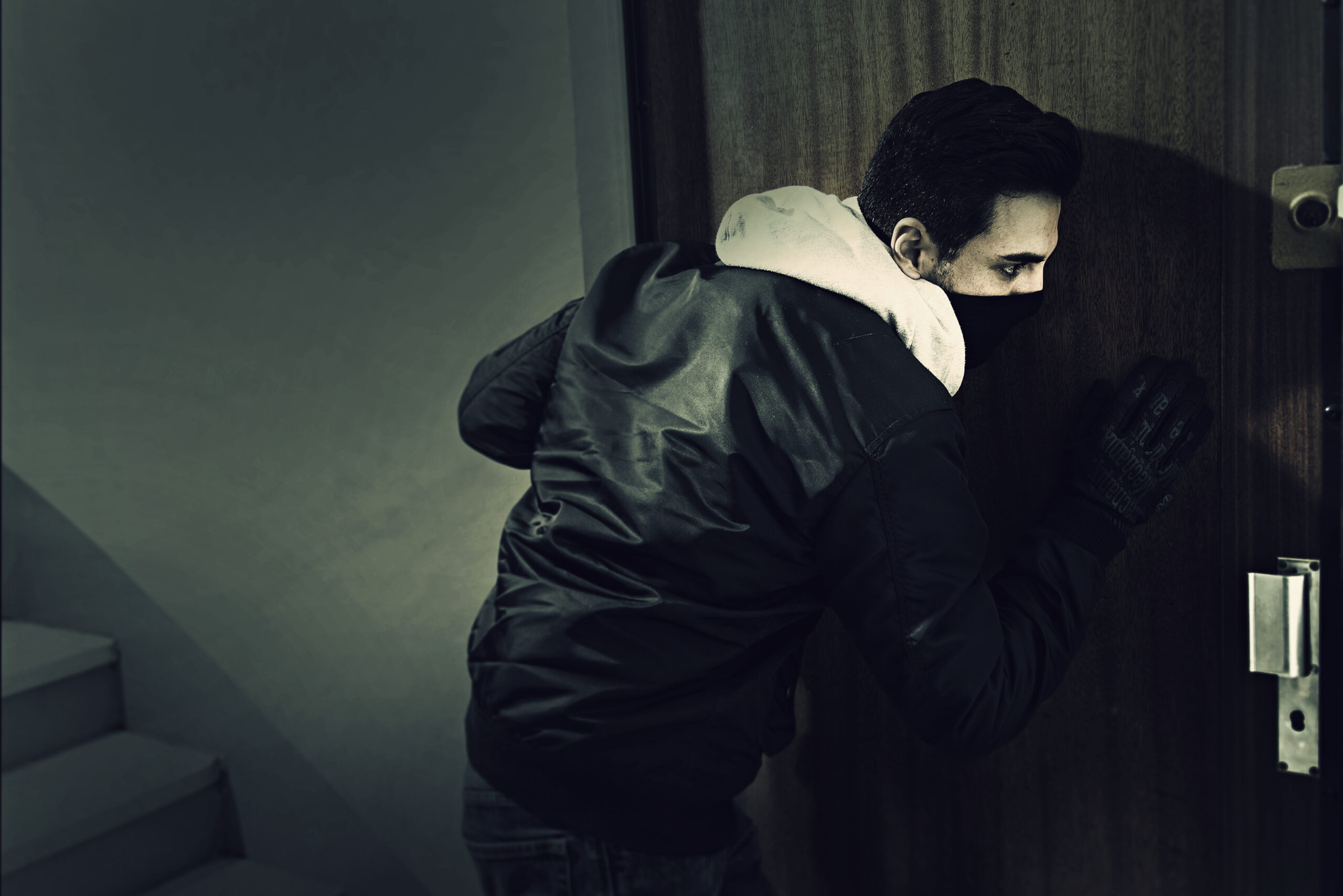
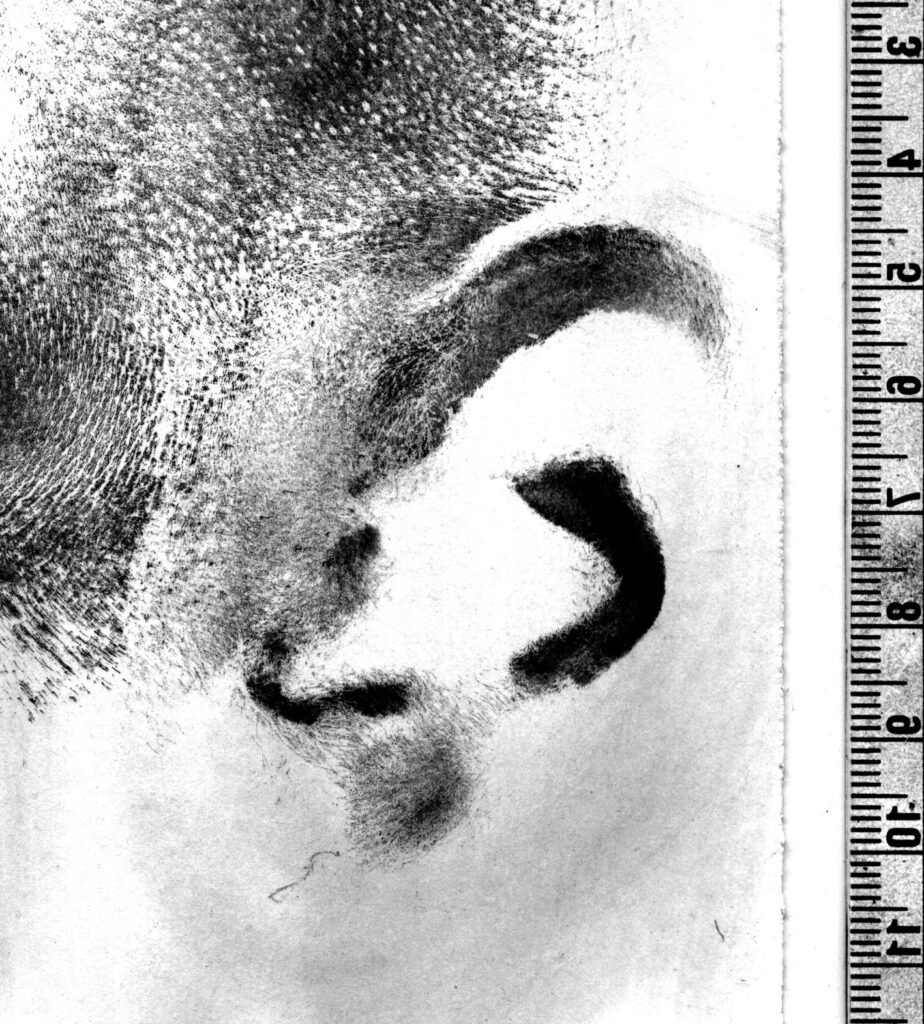
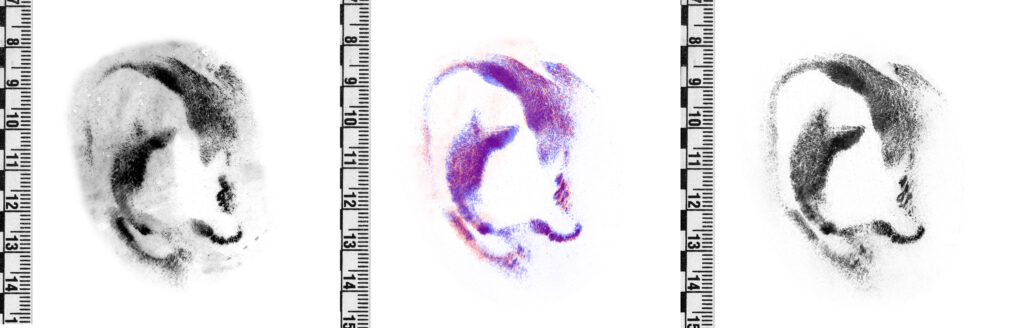
The ear exhibits such morphological variability that the trace it leaves at a crime scene can become a decisive element of identification. The presence of an earprint can characterize a particular modus operandi, such as attentive listening through the door of a burglarized apartment. Although an earprint alone cannot suffice to identify an individual, its examination represents an undeniable investigative tool.
Introduction
Due to its many variations in size and shape, the ear has always been regarded as a key feature in personal identification. Whether in the work of Rodolphe Archibald Reiss, founder of the first school of forensic science in Lausanne in 1909, or Edmond Locard, who established the first forensic science laboratory in Lyon in 1910, for more than a century, identification specialists have characterized the external auricle as the most distinctive feature of the human face. According to these experts, the ear is so morphologically diverse that no two ears appear identical when examined under standardized photographic conditions. It was in fact Alphonse Bertillon, founder of the anthropometric identification service in Paris in 1882, who first incorporated the ear as a discriminating feature in his “portrait parlé” system for the identification of recidivists.
Recent scientific studies exploring the morphological variability of the ear have demonstrated that, beyond the simple left/right symmetry inversion, this feature alone can make it possible to distinguish between the two ears of the same individual, and even between monozygotic twins. The ear’s high morphological variability means that the trace it leaves at a crime scene can constitute a powerful element of identification. As we shall discuss in more detail below, earprints carry less informational richness than standardized signaletic photographs1, yet they nevertheless exhibit shapes that can be compared and provide a non-negligible associative value.
From a physical perspective, when the ear comes into contact with a surface such as a door, a window, or even a wall, it transfers a thin layer of greasy residues onto the surface. In a way, it is comparable to a stamp-like impression of the ear’s shape left on the support. In burglary cases, offenders often leave an earprint on the door of the targeted apartment as they attempt to determine, by listening, whether anyone is inside. Such traces are collected at crime scenes by forensic police and gendarmerie personnel, both on the doors of burglarized apartments and on landing doors. It is not uncommon for certain individuals, or sometimes groups, to perform multiple listening attempts before committing an offense. Frequently, burglary scenes reveal three or four earprints from different individuals, either on the same floor or on different levels of a building. When burglaries are committed in series, these traces can serve to establish links between cases.
The investigative value of earprints
At a time when the discovery of latent fingerprints at crime scenes is becoming increasingly rare, earprints offer a genuine opportunity for criminal investigation. French, Swiss, and Belgian practices have shown that such traces are far from marginal, as they can be recovered in roughly 20% of residential burglary cases. Offenders tend to be cautious once inside the targeted premises, but they are generally less wary of leaving traces outside the scene of the offense.
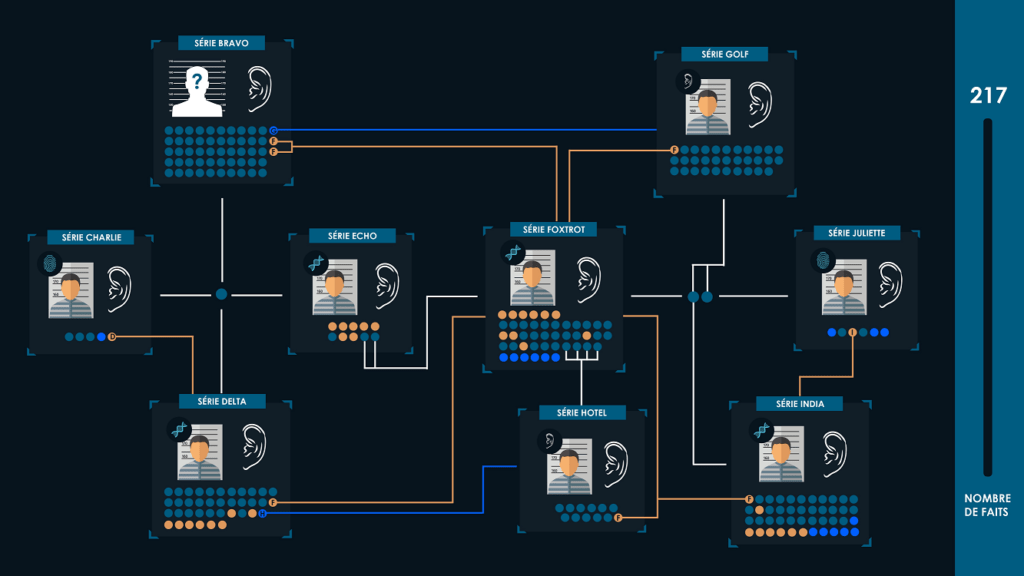
The strength of earprints lies in the fact that they do not require access to a nominal database. The earprint examiner may be able to link several cases together, a process referred to as linkage analysis. Based on these findings, the specialist informs the investigating service of the serial nature of the incidents. The judicial police officer in charge of the investigation can then cross-reference these findings with other forensic evidence, such as latent fingerprints or DNA, in order to identify potential suspects. It is therefore essential that crime scene technicians perform biological sampling near the ear area, particularly on the cheek trace adjacent to the earprint. Recent results indicate that such DNA sampling yields genetic profiles in approximately 25% of cases.
Once these samples are collected, the judicial police officer or investigating magistrate may order the recording of earprints from a suspect against whom there are reasonable grounds to believe that they have committed or attempted to commit the offense. In parallel, the judicial authority may request that a forensic earprint specialist compare the questioned traces with the earprints of the suspect(s).
In a criminal case in the greater Paris area, a suspect was implicated by DNA recovered from bindings used to tie a victim at their home. The suspect explained the presence of his DNA by claiming that he may have touched the bindings at some point in his life, but denied any involvement in the events or even being present at the scene. He related that the bindings had likely been stolen from his own home. However, crime scene technicians also recovered an earprint on the victim’s apartment door. At the request of the judicial police officer, a comparison was conducted between the incriminated trace and the suspect’s earprints. The results of the forensic examination contradicted the suspect’s statements. He found it far more difficult to justify the presence of an earprint corresponding to his own, in addition to his DNA, at the crime scene. In this case, the earprint formed part of a converging body of evidence and allowed investigators to reconstruct a sequence of activities more directly than the DNA trace alone. Unlike DNA, which can be transferred through multiple mechanisms, the earprint is directly tied to the act of listening.
In accordance with Article 55-1 of the French Code of Criminal Procedure, a judicial police officer may, either directly or under his supervision, carry out external sampling operations on any person likely to provide information about the facts in question, or on any person against whom there are one or more reasonable grounds to suspect that they have committed or attempted to commit the offense. These operations are conducted to obtain the external samples necessary for technical and scientific examinations intended to be compared with traces and evidence collected in the course of the investigation.
The French Constitutional Council ruled, with regard to Article 30 of the Law of March 18, 2003 on Internal Security, that “the expression ‘external sampling’ refers to a procedure that does not involve any internal bodily intervention; it will therefore entail no painful, intrusive, or degrading procedure; the claim of a violation of the inviolability of the human body is therefore unfounded; furthermore, external sampling does not affect the individual’s personal liberty.” Consequently, the recording of earprints may be requested by judicial authorities, and refusal to comply may be punishable by up to one year of imprisonment and a fine of €15,000.
As in the Anglo-American legal system, where in the United States scientific evidence presented in court is subject to admissibility rules (as established by the Frye or Daubertstandards), the principle of free admissibility of evidence and free judicial assessment prevails in France (Article 427 of the French Code of Criminal Procedure). Thus, the judge is free to accept or reject a piece of evidence according to personal conviction. Consequently, in the search for traces and clues at a crime scene, all forms of evidence are admissible as long as they are obtained legally. The judicial police officer, or any authorized person acting under their supervision, cannot disregard this mode of proof. The earprint, as material evidence, helps characterize a specific modus operandi involving attentive listening through a surface. In many cases, this modus operandi may be indicative of a preparatory act preceding the commission of an offense. In all circumstances, earprints, which may contribute to establishing the truth, should be systematically sought and collected at all crime and misdemeanor scenes.
How should these technical findings be regarded?
In carrying out their examination, the specialist must rely on scientific articles recognized by the scientific community, while also drawing on their professional knowledge and technical expertise acquired through practice and casework.
However, there are often disproportionate expectations in the requests addressed to forensic specialists. Frequently, scientists are asked to provide categorical, almost binary results to the judicial authority regarding the analyses or technical comparisons performed. The following questions, extracted from expert mandates, illustrate the expectation of definitive answers:
• Is the suspect the source of the DNA contact trace discovered on the weapon?
• Was the projectile recovered at the crime scene fired by the seized weapon—yes or no?
• Was the earprint found on the door left by Mr. X or not?
Since the early 2000s, the rise of television series such as the well-known CSI: Crime Scene Investigation has had a considerable impact on how forensic science is perceived by the general public and judicial actors alike. While these series have sparked genuine interest in a previously little-known profession, they have also propagated the idea that science can provide absolute, factual proof, leaving no room for uncertainty.
Scientific advances in criminal sciences in recent years have undoubtedly been spectacular. Today, it is possible to establish a genetic profile from just a few cells, a technique that would have been unimaginable merely fifteen years ago. As forensic methods and technologies become increasingly sensitive and specific, operators and analysts must pay even greater attention to the potential risks of error, contamination, transfer, or misinterpretation. In forensic science, correspondence between two elements is never absolute, and the same holds true for earprints. When comparing two traces originating from the same source, some differences will always be observed. Similarly, when comparing traces with earprints from individuals who are not their source, there is always the possibility of observing a coincidental match. The scientist’s task is therefore to adopt a methodology that allows for the control and characterization of these risks of error. This is the central challenge of forensic science, and particularly of forensic police work. Thus, in the case of earprints, as in all areas of forensic science, it is not reasonable to expect certainties. At best, the findings can be expressed in probabilistic terms.
In earprint examination, it is essential that the specialist be able to assess the morphological structure of the individual’s ear. Since the ear consists of both cartilaginous and more flexible parts, the methodology must necessarily account for the organ’s intrinsic variability. By recording multiple impressions of the same ear, the specialist evaluates the observed differences (distortion, flattening, absence, deformation, etc.). This process enables the analysis, comparison, and assessment of the reproducibility of each ear feature present in the earprints, and forms the basis for what is known as intravariability.
Accordingly, when the specialist compares a questioned trace with an individual’s earprint, they assess, on the one hand, the differences encountered in relation to the previously defined intravariability, and on the other hand, the degree of rarity of each observable feature (linked to intervariability). If the differences are limited in number and fall within the defined tolerance zone, the specialist may establish a more or less strong association depending on the quality of the trace and the number of visible features.
Conversely, if these discrepancies are numerous or fall outside this range of variability, the examination allows for the elimination of certain suspects, thereby redirecting the investigation. Finally, in the interest of impartiality, the specialist submits their comparisons to a second examiner, who conducts a new evaluation blindly, that is, without knowledge of the first examiner’s conclusions. This verification step is essential and serves as a guarantee of reliability. This methodology, recognized by the scientific community and referred to as ACE-V(Analysis-Comparison-Evaluation-Verification), helps to minimize the risk of error and bias to the greatest possible extent.
Given current techniques, it is important to place this method in its proper context. The use of earprints in judicial investigations cannot lead to stricto sensu identification. However, depending on the intrinsic quality (ear morphology) and extrinsic quality (the condition of the surface, the lifting method, the powder used, the pressure applied, etc.) of the earprint, the specialist may establish a stronger or weaker degree of association. On average, and it must be emphasized that each case has its own specificities, the probability of a coincidental match is estimated at between one in one thousand and one in ten thousand.
Although an earprint alone cannot suffice to identify an individual, its analysis constitutes an investigative tool of undeniable value. Once a converging body of evidence is established, through investigative elements such as witness testimony, phone records, surveillance, or other forms of forensic evidence, an earprint becomes, in a sense, the screwdriver that tightens the link between different cases or between a case and a suspect.
Earprints and the justice system
In France, numerous cases involving the association of earprints have been handled, primarily by the courts of the Paris and Lyon metropolitan areas.
Publicly pronounced on February 17, 2016, by the Paris Court of Appeal (Division 4 – Chamber 10 of Criminal Appeals), ruling on an appeal against a judgment of the Créteil Regional Court (12th Chamber, October 16, 2016), the court addressed the use of earprints in a case of burglary with breaking and entering. The decision specifically stated that “a genetic profile was recovered at the location where forensic technicians had lifted a left earprint; it therefore follows from the combination of these two impressions that the defendant was indeed the source of both his DNA and the earprint, thereby validating the forensic earprint technique used by the police […] ; the comparisons between the various traces recovered at the crime scenes and the earprints taken from the defendant during police custody confirm that, notwithstanding his denials, his involvement in these five offenses is established.”
The judgment delivered on December 13, 2017, by the 14th Criminal Chamber of the Paris Regional Court, perfectly illustrates the combination of different types of evidence working together in the pursuit of truth. “Mr. X admitted to committing nineteen of the thirty-two offenses with which he was charged, describing the modus operandi systematically employed. His confessions were corroborated by investigators’ observations at each scene, by the results of comparisons conducted by forensic police between the earprints recovered and the defendant’s ears, and/or by the results of expert analysis carried out on the earprints. Furthermore, in certain offenses, these findings were reinforced by a match with the defendant’s DNA, a shoeprint consistent with footwear he was wearing, and the geolocation of his mobile phone in proximity to a burglary site. The thirteen burglaries or attempted burglaries with aggravating circumstances that were contested by the defendant were committed using a specific and strictly identical modus operandi to that of the admitted offenses. Earprints corresponding to those of Mr. X were recovered at six of the burglarized sites or attempted entries, including one residence where his DNA was also found on the front door. The seven other contested offenses occurred under similar temporal and spatial conditions, specifically, during the same timeframes and in the same buildings, even on the same floors. Moreover, Mr. X’s explanations appeared contradictory, as he told the investigating judge that he only operated in the 15th arrondissement, whereas he admitted to offenses committed in numerous other districts. The combination of these various elements carries sufficient probative value to establish guilt for all the charges brought.”
Conclusion
We are convinced of the potential of this type of trace evidence, and judicial practice in our courts demonstrates its utility. Earprints are an effective tool for judicial intelligence through the establishment of crime series, even before an individual is formally implicated. When compared against a suspect’s reference earprints, they provide a powerful associative indicator that judicial actors should not overlook. Naturally, absolute certainty should not be expected from this type of association. Nonetheless, the correlations established are sufficient to add a solid new string to the bow of forensic science.
Note
1. Establishment of a distinctive description of an individual, including the taking of photographic records (frontal, profile, and three-quarter left views).
Sébastien Aguilar: Chief Technician in Forensic Science at the Regional Directorate of the Paris Judicial Police, MSc in Criminal Sciences from the School of Criminal Sciences, University of Lausanne.
Christophe Champod: Full Professor of Forensic Science and Director of the School of Criminal Sciences, Faculty of Law, Criminal Justice and Public Administration, University of Lausanne.
Further reading
1. Sébastien AGUILAR, Benoit DE MAILLARD, Police Scientifique : Les experts au coeur de la scène de crime. Hachette, éd. 2017, pp. 119-125.
2. Christophe Champod, Ian W. Evett, Benoît Kuchler, « Earmark as evidence : a critical re- view », Journal of Forensic Sciences , Vol. 46, No 6, 2001, pp. 1275-1284
3. Stéphane Junod, Julien Pasquier, Christophe Champod, « The development of an auto- matic recognition system for earmark and earprint comparisons ». Forensic Science International, 2012, Vol. 222, Issues 1–3, pp.170-178
4. C. Van der Lugt, Earprint Identification. El- sevier Bedrijfsinformatie, Gravenhage, 2001, 318 p.
5. Joëlle Vuille, « Traces d’oreille et preuve à charge : le Tribunal fédéral n’est pas sourd aux droits de la défense ». Forumpoenale. Vol. 6, 2014, pp. 347-350.
6. Lynn Meijerman, Andrew Thean, George J. R. Maat, « Earprints in Forensic Investigations », Forensic Science, Medicine and Pathology, 2005, Vol. 1, Issue 4, pp. 247-256.
Article published in REVUE EXPERTS n°145 – August 2019
Interview – As the French justice system is about to establish a specialized Cold Case unit in Nanterre on March 1, 2022, the head of the Criminal Brigade of the Paris Regional Directorate of Judicial Police, General Commissioner Michel Faury, reflects on the growing strength of his unit dedicated to unresolved cases.
Could you give us the legal definition of a “Cold Case”?
Strictly speaking, there is no legal definition of the term. However, one may consider it to be a case in which the criminal nature of the facts is either established or strongly suspected, which remains unresolved both judicially and investigatively, is not time-barred, and for which the perpetrator(s) have yet to be identified.
How many “active” unresolved cases are currently handled within the Paris Criminal Brigade?
Following the recent outcome of an investigation that led to the identification of the perpetrator of a series of crimes committed in Paris between 1986 and 1994, the number of unsolved cases within the Criminal Brigade has slightly decreased. As of today, there are approximately 65 cases, about fifteen of which are subject to regular investigative work, depending on the criteria applied.
Within the Criminal Brigade, do you have teams specifically dedicated to solving Cold Cases?
Each general crime group of the Criminal Brigade retains older cases, which are subject to renewed investigation whenever a new lead emerges. Nevertheless, a specialized unit dedicated to this type of case was created in 2015 and was significantly reinforced before the summer of 2021. This is the UAC3 (Unit for Criminal and Behavioral Analysis of Complex Cases). Composed of six staff members, it is led by a highly experienced officer and also includes a psycho-criminologist. It is entrusted with the most complex unresolved criminal cases.
That being said, the unit is not intended to work exclusively on Cold Cases; they represent only part of its activity. While it focuses on older cases, it does not wait for the judicial authorities to potentially close a case before becoming involved. On the contrary, it conducts or oversees long-term investigations, ensuring that every lead has been explored and that any new information is addressed. The unit also frequently serves as an advisor to colleagues and to its hierarchy within its field of expertise.
One of the main reasons for assigning a case to this unit is to preserve institutional memory, despite the turnover of investigators who may have worked on it in the past. Moreover, the investigations carried out over time, together with the retention of the case file within the service pending the emergence of new evidence, also serve to delay the statute of limitations for as long as possible.
Do the officers in charge of these cases receive specialized training?
No, there is no specific training upon joining UAC3. The Criminal Brigade recruits men and women who already possess solid professional expertise, who have a genuine interest in criminal matters, and who are motivated to develop further in an increasingly technical field. UAC3 brings together profiles suited to the needs of such a specialized structure: all of them are highly experienced professionals who have proven themselves and who master the intricacies of criminal investigation. Mentorship provided by senior members of the group then helps to train newer investigators according to operational requirements.
Furthermore, a certain level of professional maturity is required to join the unit, as investigators must have the mental resilience to work on cases where they have never seen the crime scene and on which other investigators have already worked. In addition, training in criminal analysis is currently being offered by a former officer of the unit, and one of UAC3’s investigators is currently undertaking this advanced training program.
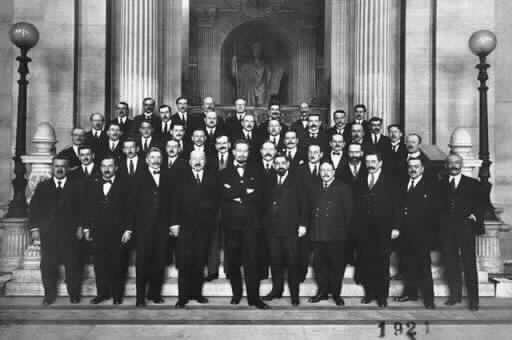
The Paris Criminal Brigade in 1921 – Credit: Paris Regional Directorate of Judicial Police.
What methodology do you use to make progress effectively on such cases?
The variety of case files means that no predefined method exists when reopening an investigation. The strength of UAC3 lies in offering a multidisciplinary approach that combines behavioral analysis, the use of computer-based tools for criminal analysis, and a comprehensive review of the entire procedure from a fresh perspective. This examination, viewed from multiple angles, is punctuated by exchanges between the various stakeholders and often results in several reviews entrusted to senior officers of the unit or to civilian reservists.
Sometimes, in more informal terms, reference is made to the so-called “steamroller method” of the Criminal Brigade. This approach applies perfectly to the handling of Cold Cases, insofar as no lead is neglected. Each hypothesis is examined until it can be determined that it bears no connection to the investigation. This process may sometimes take years.
What are the main difficulties encountered?
The main difficulties when working on a Cold Case are:
The lack of material evidence still available when a previously unexplored lead emerges.
Similarly, missing aspects in investigations conducted at the time, for example in the field of telecommunications (such as cell site data that were never preserved).
The quality of testimonies after so many years (faded memories, deceased witnesses, etc.).
The often disastrous preservation of exhibits, or even their destruction before the statute of limitations for the investigation expires.
The identification of case files that may be entrusted to us but were not always initially handled by the Criminal Brigade, which therefore requires cooperation and vigilance from other services so that they remember to refer them to us.
Turnover, both among investigators and magistrates, which inevitably results in a loss of institutional memory.
How is cooperation between Police and Justice coordinated in such cases?
The Criminal Brigade maintains a relationship of trust with the judicial authority. Our investigations are conducted over the long term when necessary, and we have the appropriate resources at our disposal. Magistrates therefore generally turn to us when an old case needs to be revisited. Individual, case-by-case discussions are preferred. Greater recognition of Cold Cases, with the creation of UAC3, places us in an ideal position within the jurisdiction of the Paris Police Prefecture to serve as the privileged point of contact for magistrates dealing with such cases. This is particularly relevant with regard to the future Cold Case division.
The process may also involve a preliminary assessment of the case in order to determine the veracity of the alleged facts and the amount of work required, thereby allowing the most suitable unit to be designated.
Furthermore, these relationships of trust facilitate the assent of magistrates when investigators request authorization to pursue new investigative measures, either due to the emergence of new elements or to advances in forensic techniques.
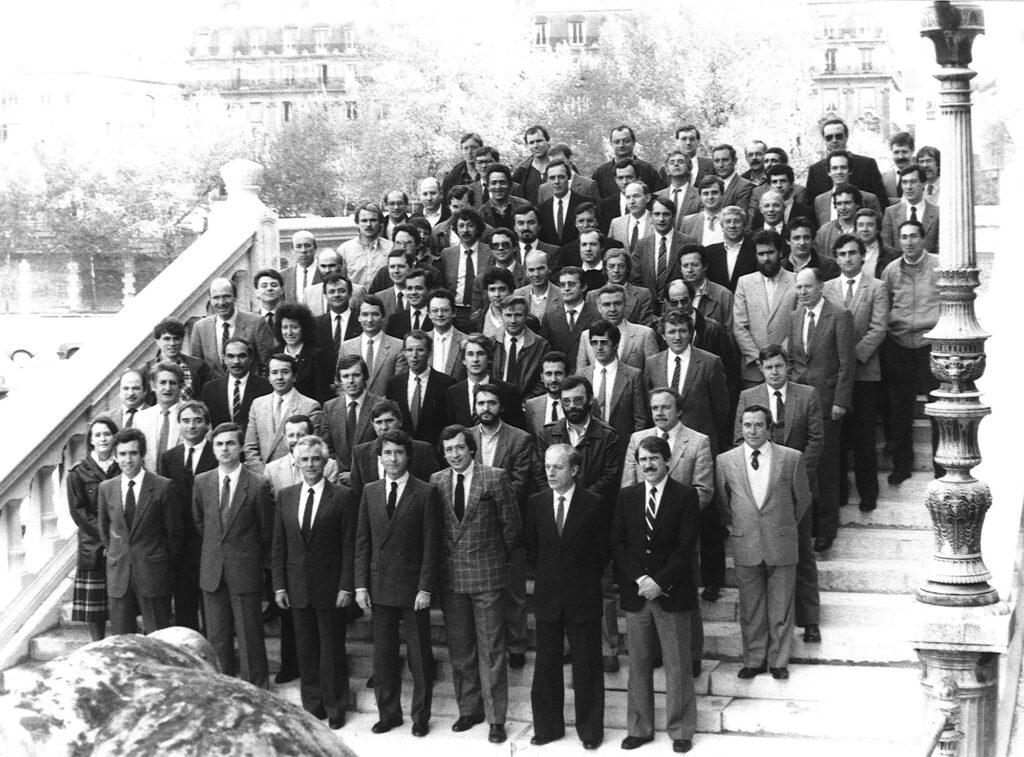
The Paris Criminal Brigade in 1985 – Credit: Paris Regional Directorate of Judicial Police.
What resources do you have at your disposal?
The available resources are those of the Criminal Brigade, including the ability to mobilize a large number of investigators when deemed necessary.
A case review from different perspectives (investigator’s analysis and behavioral analysis), with the support of criminal analysis when required.
A close and longstanding relationship with recognized experts in various technical fields supporting investigations (genetics, forensic medicine, anthropology, odontology, etc.).
A sustained commitment of human resources, in particular the dedication of investigators assigned to this mission (UAC3), who can at any time establish links between cases entrusted to us and facts investigated by other services.
Electronic Document Management (GED) and operational documentation, which facilitate research and cross-checking.
What are the technical and scientific advances that make the resolution of Cold Cases possible?
Addressing Cold Cases means, above all, recognizing that one is looking back into the past, which means relying on the resources that existed at the time of the events (no video surveillance, no telecommunications data, unless preserved, etc.).
However, when it comes to the exploitation of items seized at the scene, provided they were preserved under proper conditions, it is possible to consider complementary investigations in various fields:
Significant advances in forensic science (genetics, familial DNA searches, etc.), making it possible to re-examine certain exhibits in order to extract genetic traces that could not have been revealed using techniques available just a few years earlier.
Use of more advanced tools in telecommunications analysis.
Use of digital data analysis tools.
Possibility of reprocessing the case file with the support of criminal analysis.
Use of open sources and the Internet.
What are the major legal developments in France governing the handling of unresolved cases?
The handling of Cold Cases is not subject to specific legal provisions but falls within the framework of ordinary criminal investigations. The key legal development concerns the reform of the statute of limitations in criminal matters, enacted on 27 February 2017.
It is also worth noting the importance of the retention periods in the Automated Fingerprint Database (F.A.E.D.) and the National Automated DNA Database (F.N.A.E.G.) for unresolved traces or recorded individuals (decrees of 2 December 2015 and 29 October 2021).
The creation of a Cold Case division within the Ministry of Justice should also facilitate the identification of cases that could be reopened and enable the establishment of cross-case connections.
Are there international collaborations, or exchanges of knowledge and expertise, aimed at maximizing the resolution of investigations?
To our knowledge, there are no international structures for the sharing of technical expertise or operational exchanges specifically dedicated to Cold Cases—not even at the European level.
In these cases, we rely on the same tools as in all other criminal investigations whenever an international lead arises (for example, fingerprint and DNA exchanges under the Prüm Treaty, bilateral exchanges via Internal Security Attachés (A.S.I.), and the involvement of INTERPOL and EUROPOL).
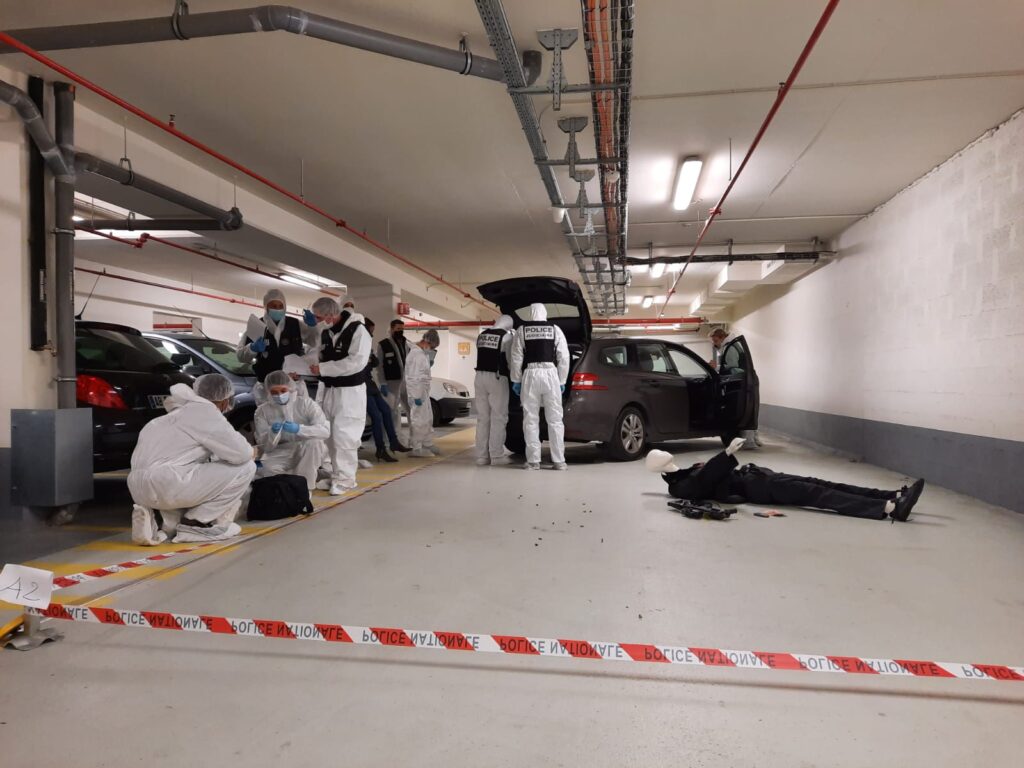
“Attack” exercise conducted by the Criminal Brigade and the Regional Forensic Science and Technical Police Service of Paris. Credit: Paris Regional Directorate of Judicial Police.
What elements allow an investigation to be reopened?
An investigation may be reopened once new elements are available that are likely to move the inquiry forward. This decision rests exclusively with the judicial authority, but the Criminal Brigade is generally proactive in making proposals. Scientific progress, and the hopes it raises, may sometimes be considered sufficient to obtain such a reopening, though each case is assessed individually. The creation of the judicial Cold Case division should also help shape the interpretation of what constitutes “new evidence.”
UAC3 rarely encounters this type of difficulty, as most unresolved cases are retained by the Brigade and are regularly reviewed. They are kept not only in anticipation of new elements being brought to our attention (e.g., a denunciation, identification of DNA found at a crime scene through a sample taken from a suspect in another case, a link with a new investigation, or a connection with a suspect identified elsewhere), but also in anticipation of a new investigative idea that could relaunch the case.
Do you have any significant cases you could cite?
A few examples may be mentioned:
In a case of rape, or a series of rapes, based on the description and modus operandi of the perpetrator, a potential suspect is identified through searches in police databases such as CHEOPS or SALVAC. The judicial authority is then asked to reopen the case, with the “new element” being the identity of the suspect. The same reasoning applies when investigative research highlights another case whose elements are closely related. The request for reopening is justified by relevant factors (geographical area, type of victim, modus operandi, weapon used, etc.).
The examination of a crime scene through judicial photographs, technical findings, and bloodstain pattern analysis may suggest that the victim was not killed where the body was discovered, but in another room of the residence. Nearby seized items, which were placed under seal but never subjected to forensic examination, then justify requesting a reopening to analyze exhibits located near the true crime scene.
The late discovery of an exhibit: for instance, when cleaning the home of a murder victim, a witness accidentally uncovers a bloodstained knife hidden under a living room carpet in a cavity in the floor. The new element justifying the reopening is self-evident.
Is it more challenging to work on a Cold Case than on a recent case?
While the question is difficult to answer, it is undeniable that the work on older files requires particular qualities and involves specific challenges. One must be extremely patient, since—unlike investigations in flagrante delicto that can sometimes lead to rapid results—Cold Cases demand lengthy and complex inquiries (reconstructing the case file, locating witnesses, dealing with less precise testimonies, searching for exhibits). Working on Cold Cases means reimmersing oneself in the investigative methods and resources available at the time of the crime, which differ greatly from current means (no telecommunications data, no video surveillance, no digital evidence, etc.).
As for the exploitation of items collected at the crime scene—which may have survived over time—it faces the challenge of exhibit preservation and, more broadly, the loss of certain case materials.
It is also more difficult to take over a case that another unit or group was unable to solve. Investigators must demonstrate unwavering motivation and a strong sense of optimism.
Finally, the psychological burden must also be considered, and may take various forms: false hopes followed by disappointment when a promising lead proves fruitless; frustration at being unable to provide answers to the victim’s family; and so forth.
What mistakes should be avoided when working on such cases?
It is important to attempt to start afresh, without being “contaminated” by the leads and hypotheses considered by the initial investigators. While it is unlikely that new investigators would have exactly the same approach as their predecessors, it is imperative that they avoid forming an opinion too quickly and that they remain open to exploring every possible hypothesis.
From your perspective, what are the essential qualities of an investigator working on unresolved cases?
Investigators must be experienced and legitimate in the eyes of both their colleagues and the judicial authority. Patience and organizational skills are also indispensable, as one must immerse themselves in a typically heavy and complex case file, previously handled by others, and do so methodically, by involving various actors and partners in the criminal investigation (experts, psychologists, external investigators, etc.).
They must master all the intricacies of criminal investigation and its surrounding ecosystem in order to know “what to look for, and where to look for it.” Finally, humility is essential.