A recent study conducted by researchers at the Netherlands Forensic Institute and the University of Amsterdam examines whether data generated by smartphone sensors can be meaningfully exploited in a judicial context. The central question is whether motion signals recorded by these devices can be translated into a probabilistic evaluation capable of assessing whether a specific human activity occurred at a particular point in time. As everyday objects increasingly capture fine-grained behavioral traces, the methodological integration of such data into judicial reasoning has become a critical issue.
Understanding Human Activity Recognition
Human Activity Recognition, commonly referred to as HAR, is a research field that has developed over the past decade, initially within connected health, sports tracking, and smart device applications. Its principle is to use embedded smartphone sensors to identify categories of movement based on numerical signals. Most smartphones are equipped with an accelerometer and a gyroscope that continuously record variations in movement and orientation. From these time series, statistical models trained on known activities learn to recognize characteristic patterns. Walking, running, and periods of inactivity generate distinct signatures that the algorithm can compare with data extracted from a phone under examination.
In everyday use, this classification supports functions such as physical activity tracking or fall detection. In a judicial setting, however, the objective is narrower and more demanding. The issue is not simply to label a movement, but to determine what these recordings can reasonably support regarding a specific activity, and what they cannot establish.
From classification to probabilistic evaluation
In forensic science, the task is not to assert that an event occurred, but to assess the strength with which observed data support one hypothesis over an alternative. Outputs from activity recognition models can be incorporated into this framework by expressing their evidential value in the form of a likelihood ratio. In practical terms, this involves evaluating whether the recorded sequence is more probable under one clearly defined scenario than under another. The algorithm does not decide that a person was running or walking. It provides a comparative measure of how strongly the data support one of the competing hypotheses.
Methodological illustration in a judicial context
Consider a smartphone seized in the course of an assault investigation. At a time considered critical to the events, the motion sensors recorded a sequence of data.
Two hypotheses are formulated. Under the first, the individual was walking normally. Under the second, the individual was running. The analysis indicates that the observed signals are ten times more probable under the running hypothesis than under the walking hypothesis. The likelihood ratio is therefore ten in favor of the proposition that the person was running. This result does not constitute direct proof of running. It expresses the relative probabilistic support that the data provide for that hypothesis compared with the alternative. The evidential weight of this information within the case file will depend on the remaining evidence and on the overall coherence of the competing scenarios.
The principal advantage of this approach lies in its compatibility with the Bayesian logic already recognized in the evaluation of scientific evidence.
Scientific and methodological limitations
Human Activity Recognition models are typically trained on datasets collected under controlled conditions. In real-world situations, however, numerous factors influence the recorded signal. The way the phone is carried, whether in a pocket, a bag, or held in the hand, the nature of the ground surface, the individual’s emotional state, and the device’s software configuration may all affect the measurements. Acute stress, for example, can alter the amplitude and regularity of movements. Similarly, a software update may modify the sampling frequency or the filtering parameters applied to sensor data. These technical aspects, often invisible to users, directly shape the structure of the data being analyzed.
Inter-individual variability must also be considered. Two individuals running at comparable speeds may nevertheless produce slightly different motion signatures.
In addition, data integrity must be verified. Sensor logs may be incomplete, altered, or disabled depending on device settings. As with any algorithmic method, independent validation, knowledge of error rates, and transparency regarding the model used are essential prerequisites for admissibility in a judicial context.
From source to activity, a parallel with Forensic Genetics
These findings echo a distinction that has become central in forensic genetics, namely the difference between the source level and the activity level.
In our article “Cigarette Butts: Can a Simple Kiss Distort DNA Interpretation?”, we emphasized that identifying the origin of a genetic profile does not, by itself, explain how it was deposited. The same reasoning applies here. Demonstrating that a motion pattern is compatible with running does not, on its own, establish the precise circumstances of the action. In both contexts, the key issue is identical. Moving from a technical observation to an interpretation at the activity level requires explicit scenario comparison and rigorous probabilistic evaluation. Data extracted from a smartphone, like DNA profile data, acquire meaning only within this structured analytical framework.
Legal implications and perspectives
For judges and forensic experts, the primary challenge lies less in the technology itself than in understanding its methodological foundations. Producing a likelihood ratio requires clearly defined competing hypotheses, documented model validation, and explicit acknowledgment of analytical limitations. A smartphone does not become an automatic witness to events. Under strict conditions, however, it may provide probabilistic information capable of informing one scenario among several. The central issue is therefore not the mere availability of digital data, but the scientific robustness and legal relevance of their interpretation.
Source :
McCarthy, C., van Zandwijk, J. P., Worring, M., & Geradts, Z. (2025).Forensic Activity Classification Using Digital Traces from iPhones: A Machine Learning-based Approach. Disponible en ligne :https://arxiv.org/abs/2512.03786
Pregabalin is a well-known medicinal product. Prescribed in particular for epilepsy and certain neuropathic pain conditions, it circulates legally within a strictly regulated framework. Yet the recent increase in seizures in France shows that it can also enter illicit resale networks. This situation raises a central question in judicial investigations: how can it be demonstrated that a legally marketed pharmaceutical product has been diverted from its therapeutic use?Unlike classically prohibited narcotics, the issue here is not the existence of the molecule itself. Pregabalin is authorised, documented, and readily identifiable by forensic laboratories. The challenge therefore lies not merely in determining the substance involved, but in establishing whether it is being used within a lawful framework.
Identifying the molecule
From an analytical standpoint, laboratories rely on well-established methods to identify pregabalin and verify its composition. Chromatographic techniques coupled with mass spectrometry make it possible to confirm the nature of the molecule present, assess its purity, and detect potential modifications, such as admixture with other substances. This step remains essential. It allows investigators to rule out counterfeiting or product alteration and to objectively establish the actual composition of the seized material. In some cases, the presence of additional psychoactive substances or formulation irregularities may constitute a significant element of the investigation. However, chemical identification alone is not sufficient to demonstrate diversion.
Inconsistency between medical use and observed circumstances
The demonstration of diversion often relies on a discrepancy between the expected therapeutic use and the concrete circumstances of the seizure. Very large quantities, repackaging into small bags, the absence of a prescription, or the presence of substantial amounts of cash may all suggest an intent to resell. In forensic science, no conclusion can rest on a single isolated element; taken individually, these indicators are insufficient to establish an offence. It is their convergence that supports the hypothesis of organised illicit trafficking.
Toward pharmaceutical traceability
Medicinal products are not anonymous items. They carry batch numbers and form part of a regulated distribution chain. The analysis of these elements may reveal that a batch has left the pharmaceutical supply chain irregularly, has been stolen or diverted during distribution, or originates from a supply route different from that authorised in France. This work also addresses a further essential question: is the product authentic, or is it counterfeit? Examination of packaging, printing, composition, and physicochemical characteristics may reveal inconsistencies incompatible with regulated manufacturing. The distinction is decisive, as an authentic medicine resold unlawfully and a counterfeit product do not fall under the same criminal offences or carry the same penalties. Comparative analysis of seized batches may also reveal similarities across different cases, suggesting a common source of supply or the existence of a structured organisation.
Technical support for the legal qualification of the facts
In this type of case, the forensic laboratory does not merely confirm the presence of a molecule. The analyses performed provide technical elements relevant to the investigation, such as the exact composition of the product, the nature of cutting agents, potential modifications, or anomalies capable of guiding further inquiries. These findings are subsequently assessed alongside investigative information—quantities seized, conditions of possession, supply routes—in order to clarify the legal qualification of the facts. Identification of the substance thus remains an essential step. However, the interpretation of analytical results also contributes to determining whether the product is consistent with legitimate therapeutic use or part of an illicit resale scheme.
A phenomenon that is not isolated
Pregabalin is not an isolated case. Other medicines have already illustrated this permeability between therapeutic use and illicit trafficking. Fentanyl, a highly potent synthetic opioid used in anaesthesia and in the management of severe pain, has been subject to large-scale diversion in several countries, with major public health consequences. In France, prolonged-release morphine marketed under the brand name Skénan® has also been involved in non-medical uses, notably through injection following extraction of the active substance.
These examples demonstrate that pharmaceutical diversion does not depend on an “exotic” or unknown molecule. It concerns authorised substances, legally manufactured and distributed, whose use becomes problematic when they enter parallel supply channels or resale networks.
The clinical and judicial assessment of children who are victims of sexual abuse requires an in-depth understanding of child development and of the manifestations of post-traumatic symptoms that are typical of childhood and adolescence. Recognizing the specific symptom patterns in children makes it possible to distinguish traumatic manifestations from normal developmental variations, within an approach that must necessarily respect the child’s world.
Respecting and building upon the child’s world
Working with children involves using mediating tools that correspond to their developmental world, employing language and tone appropriate to their age, and exploring their personal interests. Beyond the therapeutic alliance that this fosters, a child’s interests also serve as indicators of their developmental level, environment, and daily organization. These are valuable cues for forensic evaluation.
For instance, consider an 8-year-old child in second grade who, when simply asked about his favorite activities, mentions playing a Paddington game on a tablet. When gently questioned about the tablet and the game, through prompts such as “What do you like about this game?” or “Can you tell me more about this tablet?”, the child explains that the tablet belongs to his father, that he does not have one of his own, and that he is allowed to play on it on Wednesdays and weekends for 30 minutes in the family living room. He says he likes the little bear for his adventures, and is then asked to describe one of his favorite moments.
Respecting the child’s world means striving to avoid the risk of retraumatization during the forensic examination.
The child’s responses allow the evaluator to assess several aspects: an interest and activity consistent with their developmental age, a family framework appropriate for their age regarding screen use, and the child’s ability to construct a narrative (use of pronouns and tenses, spatial and chronological structuring, distinction between imagination and reality, etc.). The interpretation will naturally differ if the child plays a game such as Call of Duty, a war-themed game, rated 16+ or 18+ depending on the version, if the 8-year-old has a screen in their bedroom, or if the subject is instead a 15-year-old adolescent.
Finally, and in my view, most importantly, respecting the child’s world means striving to prevent the risk of retraumatization during the forensic examination. Creating an environment that signals to children they are welcome is essential: children’s books in the waiting area, toys, comfortable seating, and the freedom to move around. Advising caregivers to bring a comfort object or soft toy (doudou) is also important. Returning to the question of post-traumatic symptomatology in children, this issue takes on a particular resonance in light of recent cases such as that of Joël Le Scouarnec, in which 299 identified victims exhibited significant post-traumatic symptoms despite an apparent absence of conscious memories of the assaults committed under anesthesia.
The theoretical framework of sexual psychotrauma
The psyche refers to the entirety of conscious and unconscious mental phenomena: cognitive processes (thought, memory, perception), affective processes (emotions, feelings), psychological defense mechanisms, fantasy and imaginative activity, and personality structures. A traumatic event represents a violent intrusion into the psyche, exceeding the mental apparatus’s capacity for processing and integration what is referred to as traumatic breach (effraction traumatique).
A child who has been sexually abused often remains in denial for a long time
Traumatic breach in a child who has been sexually assaulted presents particular characteristics. Louis Crocq (1999) defines psychotrauma as “a phenomenon involving a breach of the psyche and the overwhelming of its defenses by violent stimuli linked to the occurrence of an event that is aggressive or threatening to the life or integrity (physical or psychological) of an individual who is exposed to it as a victim, witness, or actor.” In cases of sexual assault, this breach takes on a dimension that is beyond the child’s psychological comprehension. As Tardy (2015) points out, “A child who has been abused often remains in denial for a long time, a defense mechanism aimed at avoiding the realization that the adults supposed to protect them were, in fact, the aggressors, which would be too distressing to acknowledge.”
The repetition syndrome, as described by Crocq (2004), is defined as “a set of clinical manifestations through which the traumatized patient involuntarily and repeatedly relives their traumatic experience with great intensity.” Thus, in children and adolescents, as in adults, numerous symptoms related to repetition or avoidance of repetition can be observed.
Age-specific symptoms: a developmental approach
Traumatic manifestations in younger children:
They are characterized by poorly integrated intrusive recollections, consisting mainly of intense sensations and emotions, as described by Eth and Pynoos (1985) and by Pynoos, Steinberg et al. (1995). Beyond ordinary childhood play, specific play behaviors linked to the traumatic event may emerge. These post-traumatic play patterns represent a major clinical indicator. Fletcher (1996) describes them as “repetitive, involving a central element connected, or sometimes not connected, to the event, less elaborate and imaginative than typical play, generally emotionally charged (anxiety), rigid, and joyless.” Such play loses its normal creative and exploratory function, becoming compulsive and stereotyped.
Neurovegetative hyperarousal and avoidance are common post-traumatic symptoms. In children, they manifest as anxious hypervigilance, exaggerated startle responses, and sleep disturbances with frequent awakenings. Avoidance may take the form of social withdrawal, emotional numbing, and developmental regression affecting toilet training, sleep, or the reemergence of early childhood fears. In his longitudinal study of 166 sexually abused children, Putnam (2003) found that 40% developed hyperactivity symptoms within six months following disclosure, compared to 8% in the general population. The author interprets this hyperactivity as an adaptive flight response to intrusive post-traumatic stimuli.
Some children develop overly smooth, inconspicuous behaviors that draw no attention at all.
Post-traumatic manifestations in children often display little-known specificities that make their identification particularly complex. Unlike adults, children frequently present with nonspecific symptoms according to developmental research, especially younger children (under six years old).
From the earliest age, disturbances in body awareness and bodily experience constitute a key clinical marker: restriction in clothing choices or adoption of sexualized clothing, extreme washing behaviors, difficulties with nudity, poor bodily investment, a devalued image of their body or of certain body parts, disturbances in tactile relationships, and avoidance of affectionate gestures. These bodily manifestations often go unrecognized because they may appear trivial or be attributed to other causes. In contrast to the agitation sometimes observed, some children develop overly smooth, inconspicuous behaviors that draw no attention at all. This inhibited presentation, characterized by excessive compliance and extreme conformity, paradoxically constitutes a warning sign. Research emphasizes the importance of “keeping in mind that some of these behaviors are common in this age group. Thus, symptoms of neurovegetative hyperarousal are expressed more as an intensification of behaviors already present in the child, sometimes difficult for significant others to notice” (Eth & Pynoos, 1985; Pappagallo, Silva & Rojas, 2004).
Older children (6 to 12 years old):
In addition to the previously described symptoms, children in this age group may present somatic complaints (headaches, abdominal pain, etc.) which, due to their nonspecific nature, are not always associated with sexual trauma. Nevertheless, these somatic manifestations are important clinical indicators within a comprehensive assessment.
In school-aged children, intrusive memories become more structured but may include protective cognitive distortions that minimize the severity of the event. Post-traumatic play also evolves: it becomes “more elaborate and sophisticated, involving transformation of certain aspects of the event, the introduction of symbolic dangers (monsters), and the inclusion of other people (peers)” (Fletcher, 1996). These transformations reflect an attempt at more mature psychological processing. School functioning often becomes significantly affected, with attention difficulties, declining academic performance, anxiety-related school refusal, as well as diminished self-esteem and reduced trust in caregivers. Frequent somatic symptoms may also lead to school absenteeism.
Adolescence :
Drawings and post-traumatic play become rare, replaced by other modes of expressing distress. Manifestations resemble those observed in adults (Yule, 2001; Rojas & Lee, 2004), with recurrent memories, flashbacks, and pronounced emotional numbing, that is, a marked reduction in the intensity and range of emotional expression. Emotional numbing manifests through diminished or fixed facial expressions, a monotone voice, dull or inexpressive eyes, inappropriate or absent emotional responses, and a reduced capacity to feel joy, sadness, or anger. It may lead to difficulties forming emotional bonds, impoverished interpersonal relationships, and an impression of “coldness” perceived by others. Addictive behaviors may emerge, involving either substances (alcohol, drugs, toxic products) or activities (video games, pornography, sexual behaviors, gambling), along with risk-taking behaviors (speeding, dangerous stunts, delinquent acts).
The assessment must distinguish between normal sexual exploration and pathological manifestations.
Specific symptoms of sexual trauma
Disturbances in body awareness and bodily experience are characteristic and represent a specific marker of physical and sexual trauma. Overall, the sexualization of language and behaviors is a strong indicator, particularly when the change appears suddenly.
Problematic Sexual Behaviors (PSB) represent a specific manifestation that is especially important to identify. According to the ATSA (Association for the Treatment of Sexual Abusers), PSB are defined as “sexual behaviors displayed by a child that are considered inappropriate for their age or level of development” and that may be “harmful to the child themselves or to other children involved.”
PSB are defined in children up to age 12, and their assessment requires a solid understanding of child and adolescent sexual development, as well as the use of age-appropriate language. This definition follows a developmental approach in which assessment must distinguish normal sexual exploration from pathological manifestations. According to Chaffin et al. (2006), sexual behaviors are considered problematic when they meet one or more of the following six criteria: they occur with “high frequency or intensity,” “interfere with the child’s social or cognitive development,” “involve force, coercion, or intimidation,” are “associated with physical injury or emotional distress,” “occur between children of different developmental stages,” and “persist despite adult intervention.” PSB may include sexual touching of other children, excessive masturbation, sexual knowledge that is inappropriate for the child’s developmental stage, or hypersexualized behaviors.
Symptoms in adulthood:
Longitudinal studies demonstrate the persistence of symptoms into adulthood. A British study of 2,232 18-year-old participants revealed an increased risk of psychiatric disorders: 29.2% presented with major depression, 22.9% with conduct disorders, 15.9% with alcohol dependence, 8.3% with self-harming behaviors, and 6.6% with suicide attempts.
The impact on intimate and marital life is particularly well documented. According to Gérard (2014), nearly 60% of adults who were sexually abused in childhood experience relationship isolation, and 20% have never been able to form a long-term partnership. Relational difficulties are characterized by a paradoxical oscillation between excessive mistrust and dependence, polymorphic sexual disturbances (“hypersexuality or lack of libido, absence of pleasure, pain, risky sexual behaviors”), and the search for a “repairing” partner that often leads to intense frustration. Among women, specific menstrual disturbances are frequently reported from puberty onward: irregularities, pain, amenorrhea, and feelings of disgust.
In forensic evaluations of adults who were sexually abused as children, many of the same symptoms observed in childhood may reappear: persistent masturbatory behaviors originating around the time of the abuse or its disclosure, avoidant somatizations, and attention difficulties. Collecting these clinical indicators can help establish coherence with the events described in the context of psychological expertise. Moreover, for the victim, such analysis can provide meaning to behaviors that were previously misunderstood or socially disapproved of.
It is not necessary to remember in order to suffer from post-traumatic symptoms
The Scouarnec case: symptoms without memory
The Scouarnec case illustrates perfectly the issue of post-traumatic symptoms in the absence of conscious memory. The 299 identified victims, mostly minors who were assaulted under anesthesia, exhibited symptomatic manifestations even before the facts were revealed by investigators. Amélie Lévêque testified: “I actually had so many aftereffects from that operation that were there, but no one could explain them.” These sequelae included medical phobias, eating disorders, and “the diffuse feeling that something abnormal had happened.” Expert witnesses at the trial confirmed that “it is not necessary to remember in order to suffer from post-traumatic symptoms.
Jean-Marc Ben Kemoun, child psychiatrist and forensic doctor, explains this phenomenon as the “memory of the body”: “The body speaks, and the less we are consciously aware of a painful or stressful event, the stronger its impact on the body.” Even in an altered state of consciousness, the traumatic impact persists, generating long-lasting symptoms in the absence of explicit memory.
Clinical implications and perspectives
This clinical reality underscores the importance of a multidimensional assessment that respects developmental particularities. Forensic evaluation must include the observation of play and interests according to age, assessment of social and academic adjustment, and evaluation of the individual’s ability to project themselves positively into the future. The Scouarnec case demonstrates that the absence of conscious memories in no way excludes the existence of trauma and its lasting consequences. This understanding is essential for a symptom-based clinical assessment, particularly in young children or in individuals who experienced sexual trauma before the age of six.
Bibliographie :
Crocq, L. (2004). Traumatismes psychiques : Prise en charge psychologique des victimes. Paris : Masson.
Tardy, M.-N. (2015). Chapitre 8. Vécu de l’enfant abusé sexuellement. Dans M.-N. Tardy (dir.), La maltraitance envers les enfants. Les protéger des méchants (pp. 123-150). Paris : Odile Jacob.
Drell, M. J., Siegel, C. H., Gaensbauer, T. J. (1993). Post-traumatic stress disorder. Dans C. H. Zeanah (dir.), Handbook of infant mental health (pp. 291-304). New York : Guilford Press.
Fletcher, K. E. (1996). Childhood posttraumatic stress disorder. Dans E. J. Mash & R. A. Barkley (dir.), Child psychopathology (pp. 242-276). New York : Guilford Press.
Frank W. Putnam, Ten-Year Research Update Review: Child Sexual Abuse, Journal of the American Academy of Child & Adolescent Psychiatry, Volume 42, Issue 3, 2003, Pages 269-278,
Pynoos, R. S., Steinberg, A. M., Wraith, R. (1995). A developmental model of childhood traumatic stress. Dans D. Cicchetti & D. J. Cohen (dir.), Developmental psychopathology (Vol. 2, pp. 72-95). New York : Wiley.
Scheeringa, M. S., Zeanah, C. H. (2003). Symptom expression and trauma variables in children under 48 months of age. Infant Mental Health Journal, 24(2), 95-105.
Yule, W. (2001). Post-traumatic stress disorder in the general population and in children. Journal of Clinical Psychiatry, 62(17), 23-28.
Gérard, C. (2014). Conséquences d’un abus sexuel vécu dans l’enfance sur la vie conjugale des victimes à l’âge adulte. Carnet de notes sur les maltraitances infantiles, 3, 42-48. DOI : 10.3917/cnmi.132.0042
Chaffin, M., Letourneau, E., Silovsky, J. F. (2002). Adults, adolescents, and children who sexually abuse children: A developmental perspective. Dans J. E. B. Myers, L. Berliner, J. Briere, C. T. Hendrix, C. Jenny, & T. A. Reid (dir.), The APEAC handbook on child maltreatment (2e éd., pp. 205-232). Thousand Oaks, CA : Sage.
Chaffin, M., Berliner, L., Block, R., Johnson, T. C., Friedrich, W. N., Louis, D. G., … & Silovsky, J. F. (2006). Report of the ATSA task force on children with sexual behavior problems. Child Maltreatment, 11(2), 199-218.
Gury, M.-A. (2021). Pratique de l’expertise psychologique avec des enfants dans le cadre judiciaire pénal. Psychologues et Psychologies, 273, 24-26.
France Info (6 mars 2025). Procès de Joël Le Scouarnec : une affaire “entrée par effraction” dans la vie de nombreuses victimes, sans souvenirs d’actes subis sous anesthésie.
France 3 Bretagne (14 avril 2025). Procès le Scouarnec : “même sans souvenirs, on peut souffrir de troubles post-traumatiques”. consultable ici.
Pôle fédératif de recherche et de formation en santé publique Bourgogne Franche-Comté (2025). Aide au diagnostic et au repérage ajusté du comportement sexuel problématique chez l’enfant. Projet de recherche AIDAO-CSP.
Every year in France, nearly 40,000 people are reported missing. In 2022, the association ARPD recorded 60,000 “worrying disappearances”, including 43,200 minors; around 1,000 cases remain unsolved in practice [1,2]. Over time, the likelihood of finding a missing person—alive or even just their remains—drops drastically. The dense vegetation of undergrowth and forests becomes a major obstacle, rendering both aerial observation and the scent-tracking abilities of search dogs ineffective [3]. In France’s overseas territories, such as Martinique, disappearances are also numerous, and the topography of key disappearance zones is a serious impediment to ground searches and the use of more conventional methods to locate missing persons [4,5]. Drone pilots from the French Gendarmerie are often called in, but the drones currently used are only equipped with optical sensors, which struggle to detect anything beneath the vegetation cover. Nevertheless, drones remain valuable for rescue missions: in the United States, they are widely used to locate accident victims in the wild, deliver communication devices, medication, or supplies [6–8]. When dense canopy and vegetation make traditional searches ineffective, an alternative becomes necessary: LiDAR (Light Detection and Ranging). Already proven in many fields, including archaeology, LiDAR could bring real added value to judicial investigations in forest environments [9–11].
The promise of LiDAR
A LiDAR sensor emits up to 240,000 laser pulses per second. It measures the time taken for each beam to return to the emitter after hitting an obstacle, reconstructing a 3D point cloud [12]. Even though a large percentage of the beams bounce off leaves, the remainder reaches the ground and maps its relief. Investigators can select a precise height range—for example, between 15 and 50 cm above ground level—which effectively removes the canopy. This filtering provides access to the volumes present. A body or object can thus stand out from the natural relief [13].
A full-scale test in Isère
In April 2024, a team made up of a forensic anthropologist and a LiDAR drone specialist placed a volunteer lying down in a thicket in Montbonnot-Saint-Martin (Isère) to test whether a human body could produce a detectable signature despite dense vegetation. The test area, 0.8 hectares in size, contained 721 trees per hectare and showed a Normalized Difference Vegetation Index (NDVI) between +0.6 and +1, proof of an exceptionally thick canopy [13–15].
Two LiDAR sensors
Sensor (DJI)
Max choes/point
Flight speed
% of “ground” points
Verdict
Zenmuse L1
3
1,9 m/s
0,11 %
The body is barely detectable
Zenmuse L2
5
2 m/s
0,26 %
Silhouette detected in just a few clicks
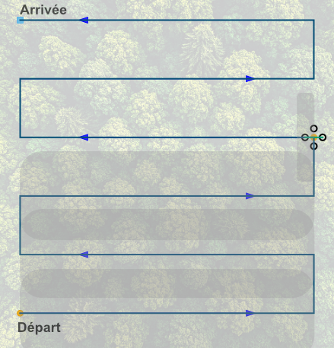
Much like a GPS (Global Positioning System), the drone’s remote-control screen provides a zenith view of the search area. When a mission is programmed, a zone is defined, and the drone’s software plots the route it must follow. The drone flies in a straight line, then upon reaching the edge of the zone, it performs a 90° turn, advances, makes another 90° turn, and continues in the opposite direction. As the drone retraces its path, the LiDAR beam overlaps the previous pass, enabling greater data acquisition both above and beneath the canopy (Figure 1).
Figure 1: Schematic representation of a drone’s flight path. The grey bands represent the areas scanned by the LiDAR. The dark grey zones show the overlap of the laser beamoccurring with each drone pass.
The test demonstrates that, even under a dense canopy, a next-generation LiDAR can capture enough ground points to detect a body on the surface.
After a 7-minute flight, the data are imported into DJI Terra Pro and then TerraSolid. Filtering at the 0.15–0.50 m height slice highlights a characteristic over-density at the volunteer’s location. Comparison with a control scan without a body makes it possible to distinguish natural anomalies (rocks, stumps) and to prepare a true/false positive matrix to assess the statistical robustness of the detection.
Weather and regulations: field limitations
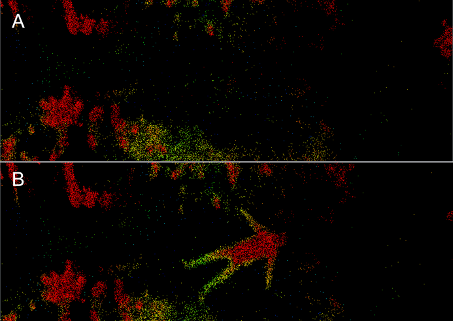
The test demonstrates that, even under dense canopy, a next-generation LiDAR can capture enough ground points to detect a body on the surface (Figure 2). Selecting an appropriate height band is crucial to reduce noise from rocks or tree trunks. However, weather conditions (rain, fog, wind > 30 km/h) remain limiting factors, as do drone autonomy and regulatory distance constraints.
Figure 2: A: acquisition without a body on the ground, B: acquisition with the volunteer placed on the ground.
The aim is to evaluate up to which degree of decomposition bodies still leave a detectable LiDAR signature.
What’s next?
Airborne LiDAR offers a non-destructive tool to locate human remains under vegetation and to document the three-dimensional topography of a scene prior to any excavation, ensuring safe access to the body. Its rapid deployment (lightweight equipment, one to two operators) provides a cheaper and safer alternative to human search parties or helicopter flights in difficult terrain.
Initially, research is focused on the detection of living volunteers, but for cases where individuals are presumed deceased, tests will need to be carried out on decomposing bodies. The aim is to evaluate up to which degree of decomposition a body still leaves a detectable LiDAR signature. Such research cannot currently take place in France, so collaborations with foreign laboratories are being considered. Another possibility would be to complement LiDAR with other sensors, such as thermal imaging or multispectral sensors. Thermal imaging could detect heat sources linked to entomological activity on the body [16], while multispectral sensors could reveal chemical changes in soil or vegetation over time associated with decomposition [17,18].
In just a few hours, a simple raw point cloud can be transformed into a priority search zone.
Conclusion
This study demonstrates that even a tiny percentage of “ground points” can be enough to reveal the presence of a body in vegetation usually considered impenetrable. In just a few hours, a raw point cloud can be transformed into a priority search zone, reducing both the scope of the search and the anxious waiting of families. These results still need to be confirmed in other forest types and with actual donors, but LiDAR is already breaking through the opacity of disappearances.
The results confirm that airborne LiDAR sensors are capable of highlighting the presence of a body in heavily vegetated environments. In the densest conditions, the ground point density reached 0.26%. The study underlines the need to improve post-processing techniques, particularly the selection of cloud points and the development of true/false positive analyses, in order to optimize detection reliability. Finally, the integration of complementary sensors, such as thermal or multispectral devices, appears to be a promising avenue for identifying more precisely the thermal anomalies and chemical markers associated with decomposition.
References
[1] ARPD | ARPD, (n.d.). https://www.arpd.fr/fr (accessed February 28, 2024).
[3] U. Pietsch, G. Strapazzon, D. Ambühl, V. Lischke, S. Rauch, J. Knapp, Challenges of helicopter mountain rescue missions by human external cargo: Need for physicians onsite and comprehensive training, Scandinavian Journal of Trauma, Resuscitation and Emergency Medicine 27 (2019). https://doi.org/10.1186/s13049-019-0598-2.
[4] C. Gratien, La mort de Benoit Lagrée officiellement reconnue, Martinique La 1ère (n.d.).
[6] C. Van Tilburg, First Report of Using Portable Unmanned Aircraft Systems (Drones) for Search and Rescue, Wilderness & Environmental Medicine 28 (2017) 116–118. https://doi.org/10.1016/j.wem.2016.12.010.
[7] Y. Karaca, M. Cicek, O. Tatli, A. Sahin, S. Pasli, M.F. Beser, S. Turedi, The potential use of unmanned aircraft systems (drones) in mountain search and rescue operations, The American Journal of Emergency Medicine 36 (2018) 583–588. https://doi.org/10.1016/j.ajem.2017.09.025.
[8] H.B. Abrahamsen, A remotely piloted aircraft system in major incident management: Concept and pilot, feasibility study, BMC Emergency Medicine 15 (2015). https://doi.org/10.1186/s12873-015-0036-3.
[9] J.C. Fernandez-Diaz, W.E. Carter, R.L. Shrestha, C.L. Glennie, Now You See It… Now You Don’t: Understanding Airborne Mapping LiDAR Collection and Data Product Generation for Archaeological Research in Mesoamerica, Remote Sensing 6 (2014) 9951–10001. https://doi.org/10.3390/rs6109951.
[10] T.S. Hare, M.A. Masson, B. Russell, High-Density LiDAR Mapping of the Ancient City of Mayapán, Remote. Sens. 6 (2014) 9064–9085.
[11] N.E. Mohd Sabri, M.K. Chainchel Singh, M.S. Mahmood, L.S. Khoo, M.Y.P. Mohd Yusof, C.C. Heo, M.D. Muhammad Nasir, H. Nawawi, A scoping review on drone technology applications in forensic science, SN Appl. Sci. 5 (2023) 233. https://doi.org/10.1007/s42452-023-05450-4.
[13] P. Nègre, K. Mahé, J. Cornacchini, Unmanned aerial vehicle (UAV) paired with LiDAR sensor to detect bodies on surface under vegetation cover: Preliminary test, Forensic Science International 369 (2025) 112411. https://doi.org/10.1016/j.forsciint.2025.112411.
[14] S. Li, L. Xu, Y. Jing, H. Yin, X. Li, X. Guan, High-quality vegetation index product generation: A review of NDVI time series reconstruction techniques, International Journal of Applied Earth Observation and Geoinformation 105 (2021) 102640. https://doi.org/10.1016/j.jag.2021.102640.
[15] Z. Davis, L. Nesbitt, M. Guhn, M. van den Bosch, Assessing changes in urban vegetation using Normalised Difference Vegetation Index (NDVI) for epidemiological studies, Urban Forestry & Urban Greening 88 (2023) 128080. https://doi.org/10.1016/j.ufug.2023.128080.
[16] J. Amendt, S. Rodner, C.-P. Schuch, H. Sprenger, L. Weidlich, F. Reckel, Helicopter thermal imaging for detecting insect infested cadavers, Science & Justice 57 (2017) 366–372. https://doi.org/10.1016/j.scijus.2017.04.008.
[17] J. Link, D. Senner, W. Claupein, Developing and evaluating an aerial sensor platform (ASP) to collect multispectral data for deriving management decisions in precision farming, Computers and Electronics in Agriculture 94 (2013) 20–28. https://doi.org/10.1016/j.compag.2013.03.003.
[18] R.M. Turner, M.M. MacLaughlin, S.R. Iverson, Identifying and mapping potentially adverse discontinuities in underground excavations using thermal and multispectral UAV imagery, Engineering Geology 266 (2020). https://doi.org/10.1016/j.enggeo.2019.105470.
In the United States, an otter named Splash has been trained to detect submerged human bodies using its extraordinary sense of smell. This unprecedented forensic initiative opens new perspectives for locating bodies in rivers and streams. In France, where four bodies were recently discovered in the Seine River, such a protocol could inspire the river brigades of the National Police and the National Gendarmerie, thereby enhancing the efficiency of judicial investigations.
Animals in the service of forensic science
For decades, animals have played a major role in criminal investigations and forensic science (see odorology and scent identification). Cadaver detection dogs are now indispensable assets in forensic investigations: they detect the volatile compounds associated with human decomposition and assist in locating buried or concealed bodies. However, in aquatic environments, these methods face significant limitations—reduced visibility, strong currents, and variable depths. It was under these conditions that an innovative idea emerged in Florida: assigning this mission to an animal perfectly adapted to aquatic environments. The otter—agile, fast, and gifted with an exceptional sense of smell—proved to be the ideal candidate. The Peace River K9 Search & Rescue association thus launched a pioneering program by training Splash, an Asian small-clawed otter who has become the world’s first “investigative otter.”
A unique training protocol: air bubbles simulating human decomposition
Splash’s training follows a precise and rigorous protocol. In the trainer’s backyard, pools were installed to create a controlled environment. The water is infused with air bubbles containing volatile organic compounds similar to those released by a decomposing human body.
The otter’s mission is clear: to detect these air bubbles invisible to the human eye. When it recognizes the scent, it immediately alerts its trainer by tugging on the mask he is wearing. This signal—simple yet effective—confirms the presence of a “target.” The concept relies on a remarkable and still little-studied ability: the otter can literally “taste” the air bubbles underwater, chemically detecting specific markers within them. Where divers and dogs reach their limits, the otter excels thanks to its natural ability to navigate complex and opaque aquatic environments.
The otter in the service of criminal investigations
American forensic authorities are closely monitoring this project. The FBI and the Florida Department of Law Enforcement have already expressed interest in this method, which could accelerate searches during criminal investigations or natural disasters. The potential applications are numerous:
Locating victims of drownings, homicides, or flash floods in lakes, ponds, rivers, or streams.
Quickly identifying submerged bodies in areas with low visibility.
For investigators and magistrates, this time saving is crucial: the discovery of a submerged body can provide essential forensic evidence (signs of violence, medico-legal analyses) before further decomposition occurs, allowing the judicial investigation to progress more rapidly.
Could France take inspiration from Splash?
En France, la découverte de quatre corps dans la Seine In France, the discovery of four bodies in the Seine River on August 13, 2025, in Choisy-le-Roi (Val-de-Marne), served as a reminder of how complex the search for submerged bodies remains. The river brigades of the National Gendarmerie and the National Police already deploy divers, sonar equipment, and cadaver detection dogs to locate victims. Yet, despite these resources, some cases remain unsolved due to the absence of recovered bodies. The use of animals such as otters could provide a valuable complementary tool. Their acute sense of smell, agility, and ability to operate underwater could increase the likelihood of discoveries—particularly in rivers like the Seine, where visibility is almost zero and currents can carry bodies far from their original immersion point. Such a system could also prove useful in other environments: dams, canals, or large ponds. In homicide or missing person cases, any technology or protocol capable of accelerating the location of a body represents a major asset for judicial investigations.
Limitations and ethical considerations
While the method has generated interest, it also raises several important questions. Training otters requires time, specialized expertise, and impeccable ethics concerning animal welfare. Integrating such animals into official search systems would necessitate strict protocols, scientific validation, and an appropriate legal framework. However, as with cadaver detection dogs, the potential benefits are such that a gradual adoption of this approach does not seem unrealistic. Investigators dealing with sensitive cases—such as homicides or disappearances—know how decisive each additional tool can be.
Conclusion
The story of Splash illustrates a new synergy between nature and forensic science. Where technology and divers reach their limits, animals endowed with extraordinary senses remind us that forensic investigation can also draw upon the living world. While the idea of integrating otters into river brigade operations may seem unconventional, it nonetheless represents a credible prospect: enhancing the efficiency of investigations and improving the chances of swiftly locating submerged bodies.
Références :
IFLScience – Meet Splash, the world’s first search-and-rescue otter hunting for missing people in Florida, consultable ici.
Popular Science – This otter is training to be a search and rescue diver, consultable ici.
Interesting Engineering – US otter trained for underwater search and rescue, consultable ici.
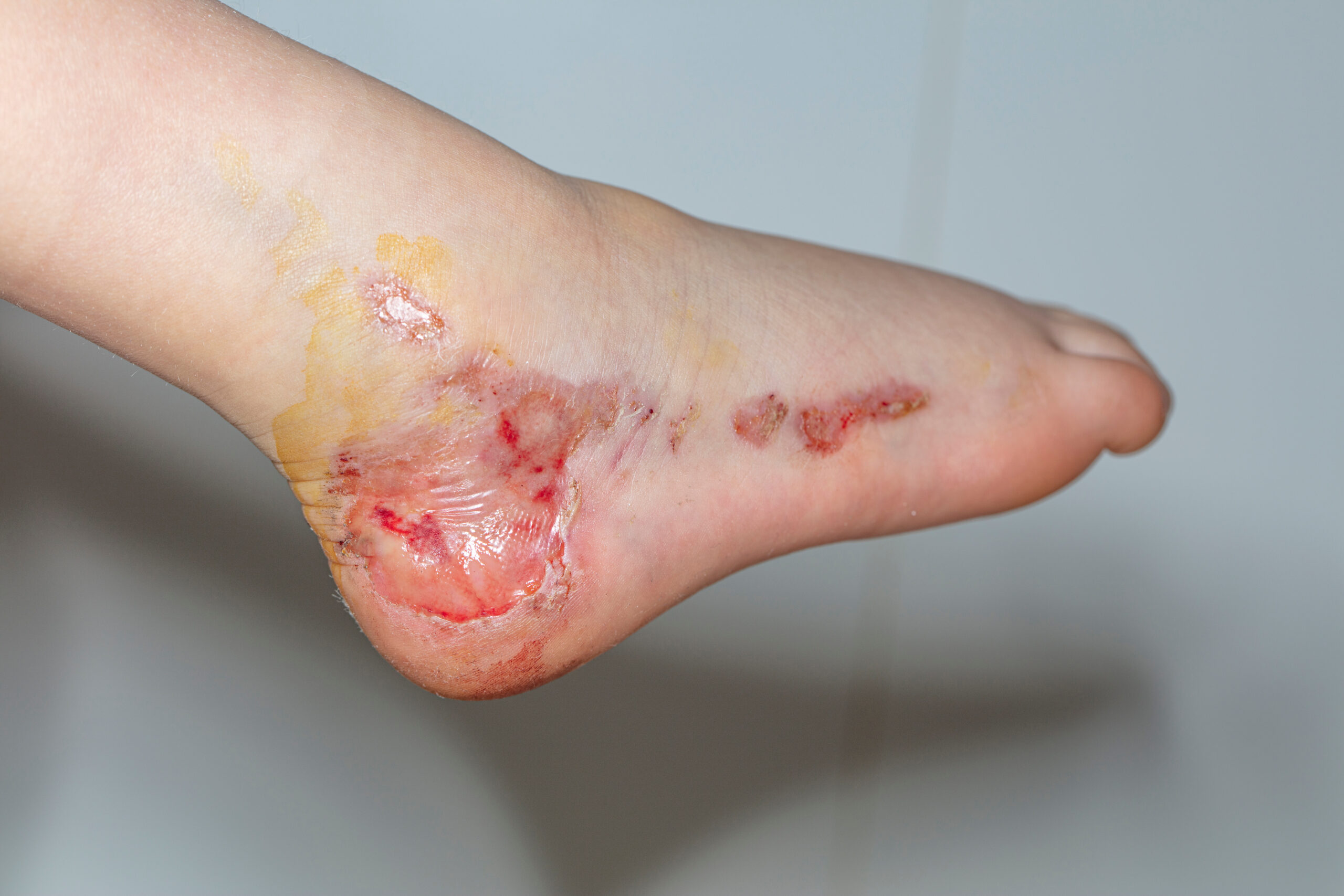
There is a certain difficulty in objectively identifying a cigarette burn in a forensic context, particularly when the victim cannot testify.Such lesions are of particular relevance in cases of suspected child abuse. Until now, diagnoses have relied mainly on the morphological appearance of the injuries, with no standardized tool to support a conclusion based on material evidence.
A striking clinical case of child abuse
A team from the Laboratory of Histological Pathology and Forensic Microbiology at the University of Milan investigated a suspected case of child abuse that resulted in the death of a child. Three circular lesions suggestive of cigarette burns were found on the body. A cigarette butt collected nearby further supported the suspicion of an intentional act. The challenge was to determine whether these marks were the result of deliberate harm. However, visual inspection and even conventional histology cannot always confirm the exact origin of such lesions. Hence the value of turning to a more refined and objective method.
The SEM–EDX method: a microscopic zoom on the lesion
Scanning electron microscopy (SEM) allows the morphology of the injured skin to be observed with extreme precision, while energy-dispersive X-ray spectroscopy (EDX) identifies the chemical elements present on the surface of the lesions. This analysis relied on internal calibration, applied both to samples of injured skin and to cigarette fragments collected at the scene.
Elemental signatures of an intentional act
The results revealed a circular lesion with a reddish base, consistent with intense thermal contact. The chemical composition detected by EDX contained elements typically associated with tobacco combustion, in particular sulfur trioxide and phosphorus oxides, confirming combustion rather than mere environmental residues. Combined with the histological findings, this analysis demonstrated that the injury had occurred prior to death, providing an objective element supporting the likelihood of abuse.
A tool to strengthen forensic expertise
The study demonstrates that SEM–EDX analysis, combined with histology, represents a significant advancement in the characterization of suspicious lesions in the context of child abuse. It moves beyond visual assessment to provide objective and reproducible data, essential in judicial proceedings. By overcoming the limitations of visual inspection, this approach delivers results based on reproducible physico-chemical evidence, thereby reinforcing the robustness of forensic conclusions in light of judicial requirements.
Conclusion
This study paves the way for broader integration of analytical microscopy into forensic practices. By combining scientific rigor with judicial investigation, it offers a robust method for clarifying the nature of lesions whose origin often remains uncertain. The approach could also be applied to other types of injuries, such as those caused by heat sources or chemical agents. This progress deserves to be extended and validated on a larger number of cases in order to refine its reliability.
Références :
Tambuzzi S. et al. (2024).Pilot Application of SEM/EDX Analysis on Suspected Cigarette Burns in a Forensic Autopsy Case of Child Abuse. American Journal of Forensic Medicine & Pathology, 45(2), 135‑143. Read here.
Faller-Marquardt M., Pollak S., Schmidt U. (2008). Cigarette Burns in Forensic Medicine. Forensic Sci. Int., 176(2–3), 200–208
Maghin F. et al. (2018).Characterization With SEM/EDX of Microtraces From Ligature in Hanging. Am. J. Forensic Med. Pathol., 39(1), 1–7, read here.
What if fungal spores and pollen grains could reveal the secrets of clandestine graves? That is the hypothesis explored by an international team of researchers in Colombia, who conducted a pioneering experiment combining mycology and palynology in a forensic context.
A biological approach to detecting illegal graves
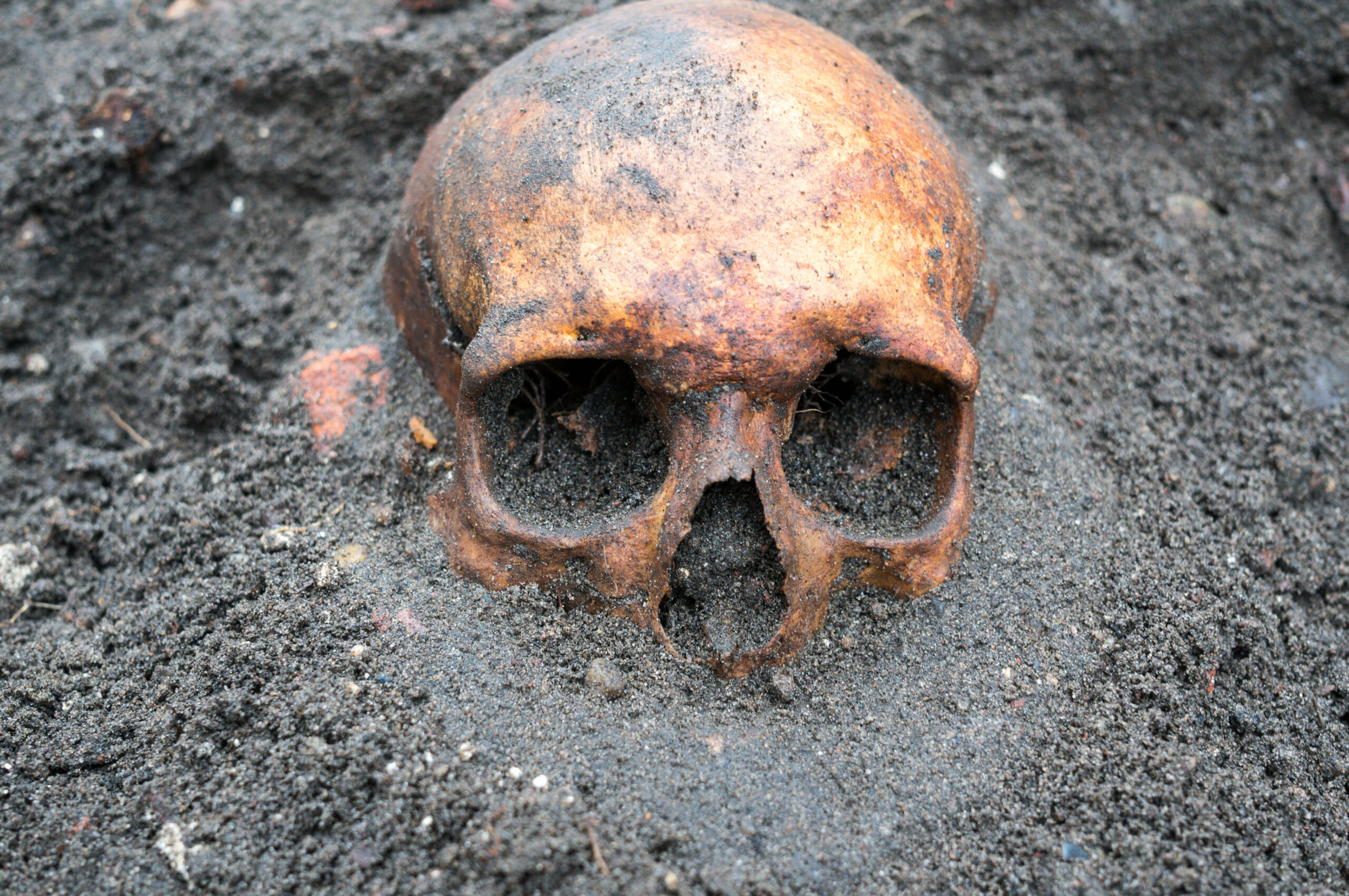
In an experimental project carried out in Bogotá, two graves simulating clandestine burials were dug — one empty, the other containing a pig cadaver (a standard human body substitute in forensic science). Soil samples were collected and analyzed at different depths to study fungal and pollen communities composition. The aim of the study was to determine whether decomposed organic remains alter the soil’s microbial and plant-based communities, and whether these biological signatures could serve as spatial and temporal indicators in criminal investigations.
Revealing fungal and pollen richness
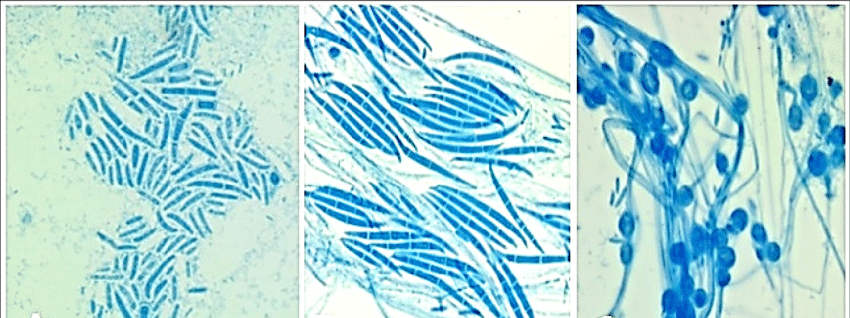
The results showed that soil from the pits containing a carcass exhibits greater fungal richness (higher species diversity), notably with species such as Fusarium oxysporum and Paecilomyces, whose frequency increased in the presence of decomposition. These organisms, capable of degrading nitrogen-rich compounds such as keratin, could serve as indicators of buried organic remains.
On the palynology side, pollen grains identified at 50 cm depth—including Borago officinalis, Poa sp., and Croton sonderianus—are typical of the dry season. In contrast, the pollens found at 30 cm correspond to the rainy season. This stratified distribution could allow investigators to estimate the burial and exhumation periods with greater accuracy.
Integrating soil biology into criminal investigations
This study is the first to provide experimental data on mycology and palynology in an equatorial tropical context, a field largely unexplored in forensic science until now. It paves the way for a more systematic integration of these disciplines in crime scene investigations involving clandestine graves or the search for buried remains. While preliminary, the findings demonstrate the value of biological approaches as a complement to conventional forensic methods especially in regions where climatic conditions influence decomposition dynamics.
Conclusion
This study is part of a broader research effort into biological indicators left by buried bodies. After trees and roots that can signal underground anomalies, it is now fungi and pollen that emerge as silent witnesses of clandestine deaths. This microbiological approach expands the toolkit of forensic archaeology, as practiced by experts such as those from the French Gendarmerie. By combining invisible biological traces with conventional excavation and stratigraphic analysis techniques, it enables a more precise reading of the soil—and the criminal stories it may conceal.
Reference : Tranchida, M. C., et al. (2025). Mycology and palynology: Preliminary results in a forensic experimental laboratory in Colombia, South America. Journal of Forensic Sciences. Full article here.
Forensics and emergency response are currently at a turning point with the growing integration of advanced technologies such as photogrammetry, lasergrammetry (LiDAR), and artificial intelligence (AI). These technologies not only provide unprecedented levels of accuracy and efficiency but also open up new avenues for investigation and intervention, profoundly reshaping traditional methodologies.
Photogrammétrie et Lasergrammétrie : des outils de précision
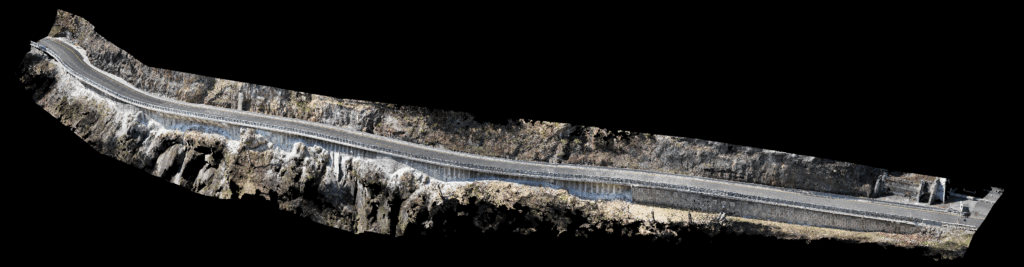
As a surveying expert and officer specializing in the drone unit of the Haute-Savoie Fire and Rescue Department (SDIS74), I have directly observed how these tools enhance the accuracy of topographic surveys and facilitate the rapid analysis of complex scenes. Photogrammetry enables 3D reconstruction of various environments using aerial images captured by drones equipped with high-resolution cameras. This process quickly generates detailed digital terrain models, which are critical in urgent or forensic interventions where every detail matters.
Road survey using photogrammetric methods, in true color. Credit: Arnaud STEPHAN – LATITUDE DRONE
It is possible to achieve extremely high levels of detail, allowing, for example, the identification of footprints by the depth left in the ground.
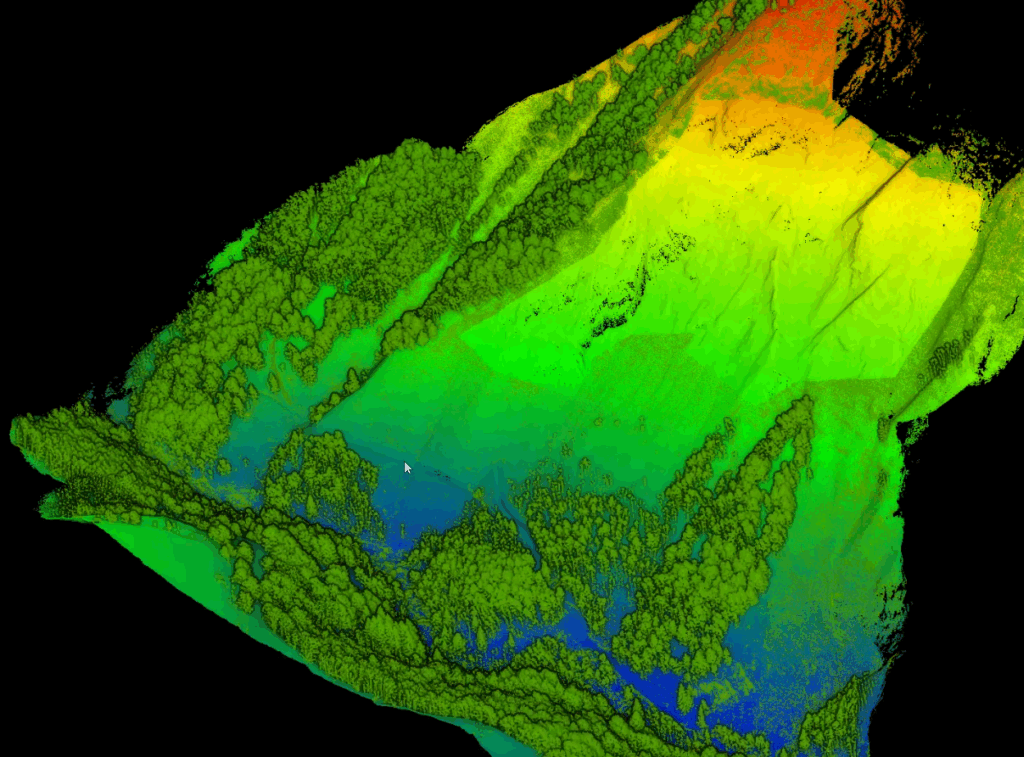
LiDAR scanning effectively complements photogrammetry by providing millimetric precision through the emission of laser beams that scan and model the environment in three dimensions. This technology is particularly effective in complex contexts such as dense wooded areas, steep cliffs, or rugged mountain terrain, where photogrammetry may sometimes struggle to capture all the necessary details.
To be more precise, LiDAR generally produces more noise on bare ground and hard surfaces compared to photogrammetry, which remains the preferred tool in such cases. However, in wooded areas, LiDAR can occasionally penetrate through to the ground and thus provide crucial information about the terrain, where photogrammetry may fail.
Photogrammetry only works during daylight, since it relies on photographic data in the visible spectrum.
Depending on the chosen flight altitudes and the type of sensor used, it is possible to achieve extremely high levels of detail, allowing, for example, the identification of footprints by the depth left in the ground. These technologies are already being used to precisely capture crime scenes. Traditionally, static scanners were used for this purpose, but drones now make it possible to greatly expand the capture perimeter while ensuring faster processing. This speed is crucial, as it is often imperative to capture the scene quickly before any change in weather conditions.
However, it is important to note that photogrammetry only works during daylight, since it relies on photographic data in the visible spectrum.
Topographic survey using LiDAR method and colored according to altitude. Vegetation differentiated in green. Credit: Arnaud STEPHAN – LATITUDE DRONE
Artificial Intelligence: towards automated and efficient analysis
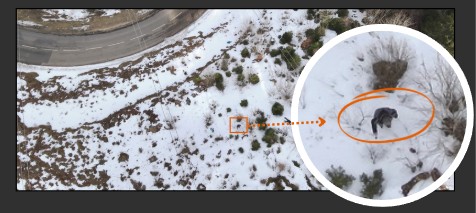
The true revolution lies in the integration of these geospatial surveys into intelligent systems capable of massively analyzing visual data with speed and precision. In this regard, the OPEN RESCUE project, developed by ODAS Solutions in partnership with SDIS74 and the Université Savoie Mont-Blanc, stands as an exemplary case. This AI is fueled by an exceptional dataset of nearly 1.35 million images collected using various types of drones (DJI Mavic 3, DJI Matrice 300, Phantom 4 PRO RTK, etc.) across a remarkable diversity of environments, covering all seasons.
Illustration of OPEN RESCUE’s capabilities: a person isolated in the mountains during winter. Credit: Arnaud STEPHAN – ODAS SOLUTIONS
The robustness of the OPEN RESCUE AI is demonstrated by a maximum F1-score of 93.6%, a remarkable result validated through real field operations. The F1-score is a statistical indicator used to measure the accuracy of an artificial intelligence system: it combines precision (the number of correctly identified elements among all detections) and recall (the number of correctly identified elements among all those actually present). A high score therefore means that the AI effectively detects a large number of relevant elements while avoiding false detections. This intelligent system is capable of accurately detecting individuals as well as indirect signs of human presence such as abandoned clothing, immobilized vehicles, or personal belongings, thereby providing valuable and immediate assistance to rescue teams.
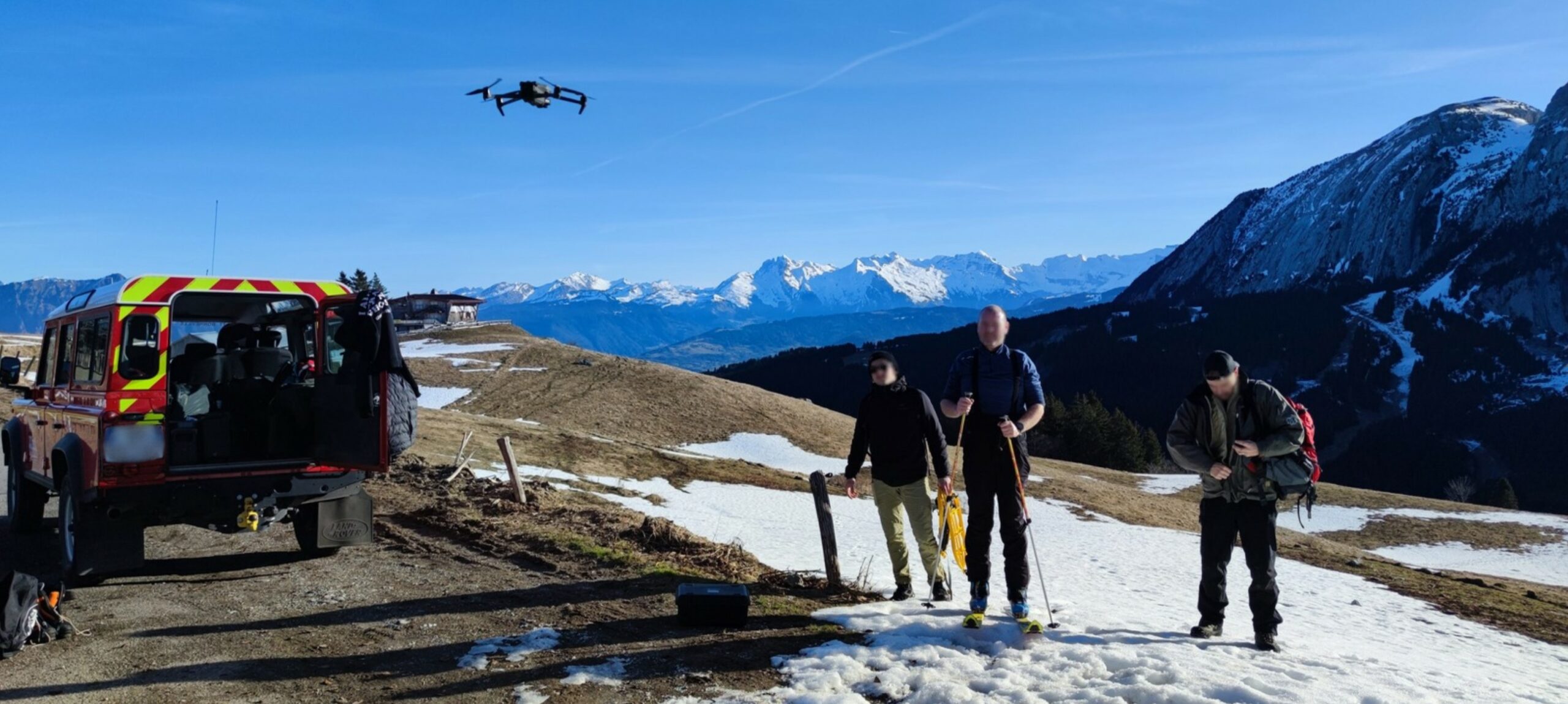
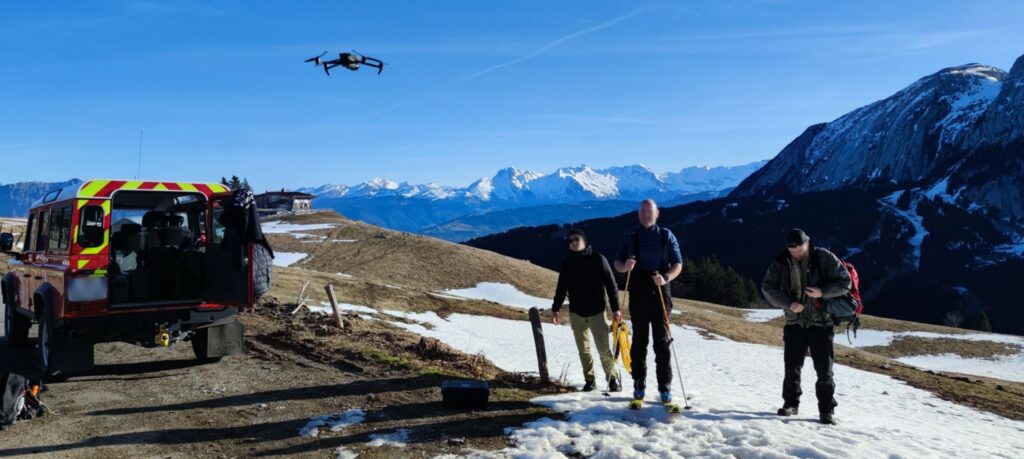
Collection of OPEN RESCUE training data with SDIS74 firefighters – Credit: Arnaud STEPHAN – ODAS SOLUTIONS
The arrival of this technology is radically transforming the way teams conduct their searches: it is now possible to methodically and extensively sweep entire areas, while ensuring that no relevant element has been missed by the AI in these zones. Although this does not replace canine units or other traditional methods, artificial intelligence provides a new and complementary level of thoroughness in the search process.
The arrival of this technology is radically transforming the way teams conduct their searches.
Practical Applications and Operational Results
In the field, the effectiveness of these technologies has been widely demonstrated. The autonomous drones used by our unit can efficiently cover up to 100 hectares in about 25 minutes, with image processing carried out almost in real time by OPEN RESCUE. This enables an extremely rapid response, ensuring optimal management of critical time during emergency interventions and missing-person searches.
Furthermore, the ability to precisely document the areas covered during operations provides a significant advantage in judicial contexts. The possibility of using these accurate 3D models and automatically analyzed data as evidence before courts offers greater transparency in judicial procedures and greatly facilitates the work of judges, investigators, and lawyers.
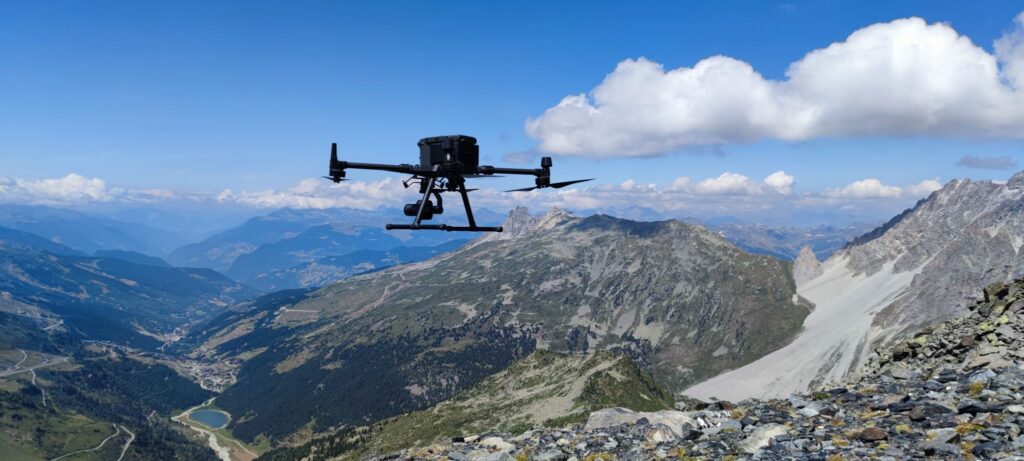
DJI Matrice 300 drone flying in a mountainous area – Credit: Arnaud STEPHAN – LATITUDE DRONE
Operational constraints and regulatory framework
The operational use of drones and these advanced technologies is subject to several strict regulatory constraints, particularly in terms of flight authorizations, privacy protection, data management, and air safety. In France, drones are regulated by the Direction Générale de l’Aviation Civile (DGAC – French Civil Aviation Authority), which imposes specific flight scenarios and precise protocols to be followed during missions.
In addition, the technical constraints of operations include the need for trained and regularly certified pilots, capable of carrying out missions safely and efficiently. Finally, roughly every six months, new innovative equipment is released, constantly bringing significant improvements such as higher capture speeds, better optical and thermal sensors, and the miniaturization of onboard LiDAR systems.
Conclusion
Ultimately, the growing integration of advanced technologies represents a decisive breakthrough in forensic sciences and emergency interventions, despite the operational and regulatory constraints to be taken into account. Their practical application not only enhances the efficiency and speed of operations but also opens up new possibilities for judicial analysis, thereby confirming their essential role in public safety and modern justice.
In 2024, our unique literary concept combining crime fiction and educational writing finally came to life. It is the result of many months of work, fascinating encounters with seasoned professionals, the sharing of expertise, and true immersion in the daily lives of numerous experts within the judicial sphere. Our ambition with this book was to explore every stage of a criminal investigation, revealing to the general public the many layers of the vast judicial system—from the discovery of a violent crime scene to the verdict delivered by the criminal court. We extend our heartfelt thanks to all the experts who took part in this project and whose testimonies lend the book its authenticity. It has been a remarkable journey!
1 – To begin, could you briefly describe your background and what motivated you to write this book?
Sébastien Aguilar: I have been working in the Forensic Police of the Paris Police Prefecture for thirteen years. In 2017, I had the opportunity to co-author a first book on forensic science and to found ForenSeek®, a platform dedicated to forensic disciplines, which also offers a training program for the competitive examination to become a Forensic Science Technician (Technicien de Police Technique et Scientifique). Since my first assignment, I have always enjoyed sharing insights about this extraordinary profession, which, in my view, remains largely unknown to the general public. The inner workings of a judicial investigation are often unsuspected, and I have witnessed firsthand how investigators sacrifice part of their personal lives to bring cases to completion—sometimes over several days or even weeks. With this new book, our goal was to shed light on the full complexity of a criminal investigation: the overwhelming quantity of evidence to collect, the necessity of organizing all this information, and the importance of interpreting it correctly to uncover the truth. For us, it was a way to pay tribute to all those who work behind the scenes, whose efforts are essential—especially for the victims.
Justine Picard: My career path is somewhat atypical. I spent nearly ten years working in marketing and communications. As I approached my thirties, driven by a strong desire to pursue the profession that had always fascinated me, I decided to take the entrance examination for the Forensic Police of the French Police. In 2019, I joined the intervention unit of the SRPTS in Paris, marking a complete 360-degree career change! I discovered a fascinating, highly technical, and demanding field. Throughout the various cases I have worked on, I quickly began to feel a certain frustration. Within forensic science, we have our own protocols, our own methods, and our own way of working. At crime scenes, we collaborate closely with investigators, but soon after, we lose visibility on the subsequent progress of the case. It’s understandable—this is how the judicial process operates, and everyone must play their part to move things forward as quickly and efficiently as possible. Yet while I accept this professionally, on a personal level, it leaves me with a lingering sense of incompleteness. That’s what motivated me to embark on this literary project: Who? When? What? How? To know and understand every aspect of a criminal investigation, to delve into the daily work of those experts who operate in the shadows, and more broadly, to grasp the inner workings of our country’s judicial system.
2 – What makes your book stand out from other works on criminology and criminal investigations?
Justine Picard: Mainly the format we chose: finding the perfect balance between the technical narrative and the fictionalized storytelling. There are many books devoted to the National Police, the Gendarmerie, or other justice system professionals—some take the form of testimonies, others of detective novels or technical manuals—but none truly bridges these different worlds. For us, it was a way to engage the reader, to hold their attention, while guiding them through the entire judicial process with well-sourced information and key witness accounts. In this market, books tend to be one or the other—but rarely both!
Sébastien Aguilar: Our ambition was to create a book that is both educational and captivating, moving away from the somewhat austere format of traditional criminal law textbooks. We therefore chose to diversify our approach: by including sections dedicated to specific forensic specialities, interviews with various judicial actors (magistrates, experts, lawyers, psycho-criminologists, jurors of the cour d’assises, etc.), and concrete materials such as call detail records, official reports, autopsy findings, and forensic police reports. The idea was to immerse the reader in the heart of the investigation—to show, as vividly as possible, how a case is built step by step, and what tools investigators use along the way. I was particularly moved that Dominique Rizet, a seasoned judicial reporter, praised in his foreword the “educational, well-documented, and comprehensive” nature of this book, describing it as “truly one of a kind.”
3 – Why did you choose to tell this story in the form of a crime novel?
Justine Picard: Above all, we wanted to bring suspense to the narrative and move away from a purely technical approach. Another important point for us was to reach a wide audience—both “specialists” and “non-specialists”—by allowing them to immerse themselves more easily in a complex investigation involving multiple technical procedures. The plot twists, witness statements, and the reader’s desire to find out what happens next all serve as tools to gently introduce complex forensic and judicial concepts. Our aim was for the reader to finish the book with the satisfaction of a well-crafted story while also gaining a solid educational foundation through the insights of real experts and the many technical details presented.
Sébastien Aguilar: We chose a narrative format because it allows readers to experience the intensity and emotion inherent in this kind of investigation. This storytelling allows to convey powerful messages—such as the confrontation with death, the crucial role of the forensic autopsy, or the chronic fatigue affecting every individual involved in the investigation. Behind the forensic police expert’s coverall, the magistrate’s or lawyer’s robe, the pathologist’s lab coat, or the investigator’s computer screen, there are men and women with their own strengths and weaknesses. Writing it as a crime novel enabled us to highlight this deeply human dimension, too often overshadowed by the purely technical side of criminal investigation.
4 – Is the case presented in your book entirely fictional, or does it include real investigative elements and techniques?
Sébastien Aguilar / Justine Picard: Around 30% of the story is inspired by a real criminal case, to which we added numerous original elements to illustrate the diversity and modernity of current investigative techniques. We’re sometimes asked whether we’re concerned about revealing too much information that might benefit criminals. In reality, everything we describe in this book is already publicly accessible—through the internet, films, or television series. Nowadays, everyone knows they can be betrayed by their fingerprints, DNA, scent, clothing fibers, digital data, or even shoeprints left at the scene. To put it simply: the best way not to get caught is still not to commit a crime…
5 – What are the key insights or most surprising discoveries readers will find in « At the Heart of the Criminal Investigation »?
Sébastien Aguilar / Justine Picard: In At the Heart of the Criminal Investigation, we reveal fascinating developments that are set to transform investigative methods in the years to come. For instance, we explore emerging forms of digital trace evidence—such as connected devices, next-generation vehicles, and intelligent video surveillance—that are poised to play a decisive role in future investigations. These new sources of evidence already make it possible to reconstruct crime scenes with remarkable precision. We also break down how DNA analyses are conducted: How are they performed? What criteria are used to compare genetic profiles? Through this book, readers will gain insight into the inner workings of forensic genetics laboratories and understand how a single biological sample can completely change the course of an investigation.
6 – Your book doesn’t stop at the criminal investigation—it also includes a section on the trial before the cour d’assises. Why did you make that choice?
Justine Picard: The trial represents a crucial stage of the judicial process. All the work carried out beforehand by the various forensic and investigative experts takes on its full meaning in court, when the accused are confronted with the body of evidence gathered against them. That’s where everything comes together! We also felt it was important to shed light on how the justice system functions—something often misunderstood by the general public—and to clearly explain the roles of its key players (lawyers, prosecutors, investigating judges, etc.).
Sébastien Aguilar: Having attended several trials before the cour d’assises, I’ve always been struck by their almost theatrical staging and by the ability of certain investigators and experts who, when called to the stand, can testify for hours on end without interruption or notes. It was important for us to show how such a trial unfolds: How are jurors selected? Who appears before the court? Should one address the presiding judge as “Your Honour”? Do lawyers ever interrupt one another with an “Objection, Your Honour !”? How does the deliberation phase take place? and so on.
8 – To conclude, could you share a short anecdote?
Sébastien Aguilar: In this fictional case, I actually went to the banks of the Seine—the location where the victim’s body is discovered—where I carried out a sample collection that was later analyzed by a captain from the Institut de Recherche Criminelle de la Gendarmerie Nationale (IRCGN). The results of that analysis proved decisive in our investigation. This book was also an opportunity to feature, through interviews and immersive accounts, contributions from real specialists in criminal investigation, including:
Jacques Dallest, honorary Attorney General, author of Cold Case and Sur les chemins du crime (Éditions Mareuil)
Christian Sainte, Director of the National Criminal Police (DNPJ)
Valérie-Odile Dervieux, Presiding Judge of the Investigative Chamber, Paris Court of Appeal
Delphine Blot, Judge of Liberties and Detention, Paris Judicial Court
Thana Nanou, embalmer, author of Les yeux qu’on ferme (Éditions 41)
Guillaume Visseaux, forensic pathologist, IRCGN
Amel Larnane, Head of the Central Service for the Preservation of Biological Samples (SCPPB)
Eduardo Mariotti and Bertrand Le Corre, criminal lawyers
François-Xavier Laurent, forensic genetics expert at Interpol
Sylvie Miccolis, investigator, Paris Criminal Brigade (DPJ)
Noémi Chevassu, former investigator with the Minors’ Brigade, author of Pluie nocturne (Éditions Alba Capella)
Peggy Allimann, behavioural analyst, Forensic Division of the Gendarmerie Nationale (PJGN), author of Crimes (Éditions DarkSide)
General Christophe Husson and Colonel Pierre-Yves Caniotti, COMCYBER-MI• Chief Superintendent Sophie Malherbe-Mayeux, Head of the River Police Unit, Paris Police Prefecture
Our book is available in all bookstores and online retail platforms (To order: click here)
All decision making, and particularly expert decision making, re quires the examination, evaluation, and integration of information. Research has demonstrated that the order in which information is pre sented plays a critical role in decision making processes and outcomes. Different decisions can be reached when the same information is pre sented in a different order [1,2]. Because information must always be considered in some order, optimizing this sequence is important for optimizing decisions. Since adopting one sequence or another is inevitable —some sequence must be used— and since the sequence has important cognitive implications, it follows that considering how to best sequence information is paramount.
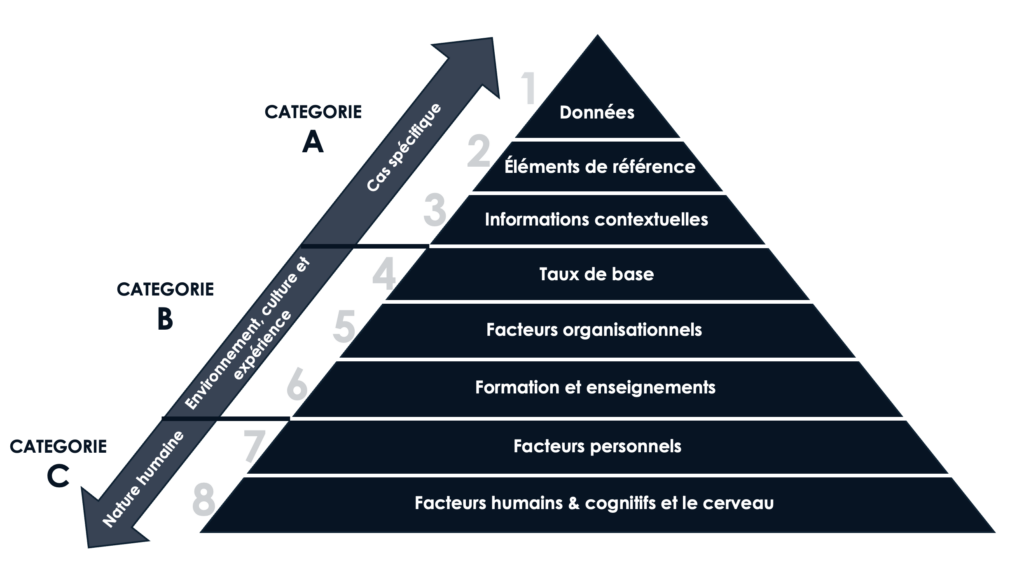
In the forensic sciences, existing approaches to optimize the order of information processing (sequential unmasking [3] and Linear Sequential Unmasking [4]) are limited in terms of their narrow applicability to only certain types of decisions, and they focus only on minimizing bias rather than optimizing forensic decision making in general. Here, we introduce Linear Sequential Unmasking–Expanded (LSU-E), an approach that is applicable to all forensic decisions rather than being limited to a particular type of decision, and it also reduces noise and improves forensic decision making in general rather than solely by minimizing bias.
Cognitive background
All decision making is dependent on the human brain and cognitive processes. Of particular importance is the sequence in which information is encountered. For example, it is well documented that people tend to remember the initial information in a sequence better —and be more strongly impacted by it— compared to subsequent information in the sequence (see the primacy effect [5,6]). For example, if asked to memorize a list of words, people are more likely to remember words from the beginning of the list compared to the middle of the list (see also the recency effect [7]).
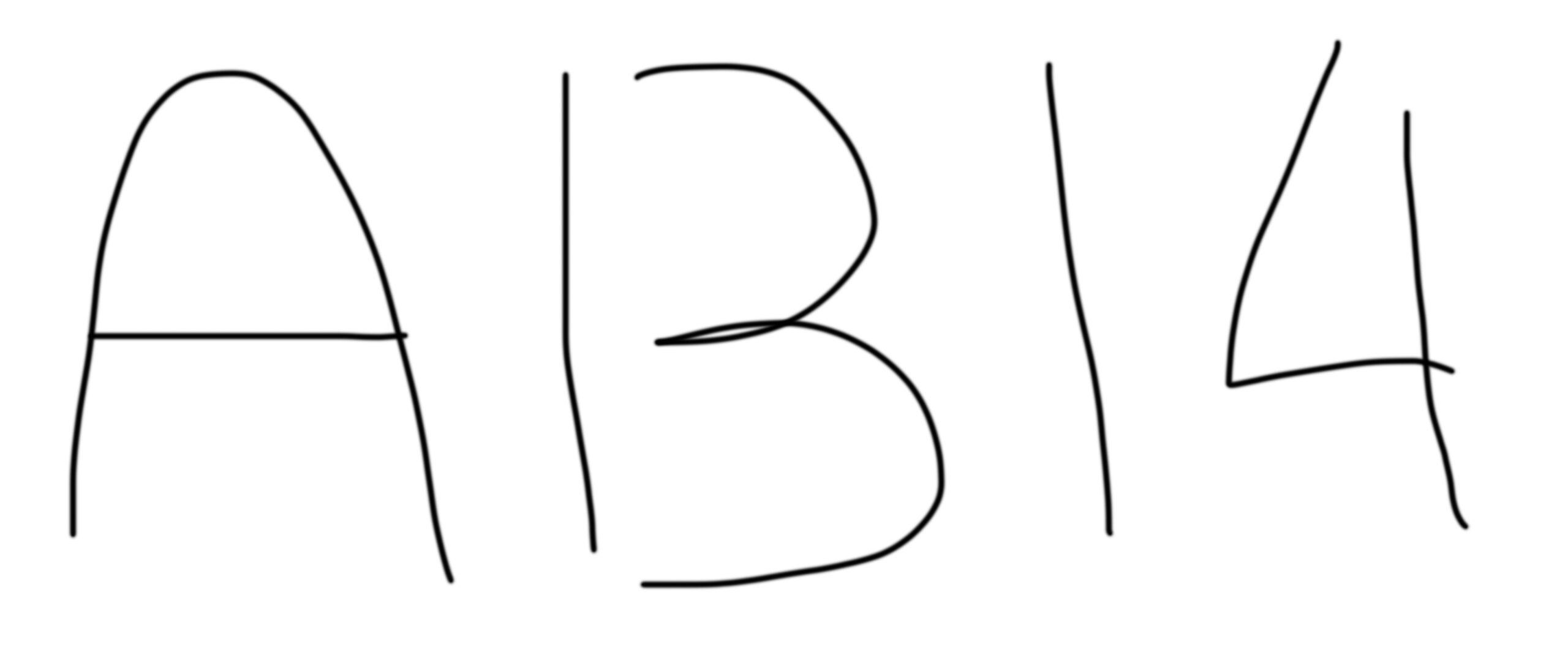
Critically important, the initial information in a sequence is not only remembered well, but it also influences the processing of subsequent information in a number of ways (see a simple illustration in Fig. 1). The initial information can create powerful first impressions that are difficult to override [8], it generates hypotheses that determine which further information will be heeded or ignored (e.g., selective attention [[9], [10], [11], [12]]), and it can prompt a host of other decisional phenomena, such as confirmation bias, escalation of commitment, decision momentum, tunnel vision, belief perseverance, mind set and anchoring effects [[13], [14], [15], [16], [17], [18], [19]]. These phenomena are not limited to forensic decisions, but also apply to medical experts, police investigators, financial analysts, military intelligence, and indeed anyone who engages in decision making.
Fig. 1. A simple illustration of the order effect: Reading from left to right, the first/leftmost stimulus can affect the interpretation of the middle stimulus, such that it reads as A-B-14; but reading the same stimuli, from right to left, starting with 14 as the first stimulus, often makes people see the stimuli as A-13-14, i.e., the middle stimulus as a ‘13’ (or a ‘B’) depending on what you start with first.
As a testament to the power of the sequencing of information, studies have repeatedly found that presenting the same information in a different sequence elicits different conclusions from decision-makers. Such effects have been shown in a whole range of domains, from food tasting [20] and jury decision-making [21,22], to countering conspiracy arguments (such as anti-vaccine conspiracy theories [23]), all demonstrating that the ordering of information is critical. Furthermore, such order effects have been specifically shown in forensic science; for example, Klales and Lesciotto [24] as well as Davidson, Rando, and Nakhaeizadeh [25] demonstrated that the order in which skeletal material is analyzed (e.g., skull versus hip) can bias sex estimates.
Bias background
Decisions are vulnerable to bias — systematic deviations in judgment [26]. This type of bias should not be confused with intentional discriminatory bias. Bias, as it is used here, refers to cognitive biases that impact all of us, typically without intention or even conscious awareness [26,27].
Although many experts incorrectly believe that they are immune from cognitive bias [28], in some ways experts are even more susceptible to bias than non-experts [[27], [29], [30]]. Indeed, the impact of cognitive bias on decision making has been documented in many domains of expertise, from criminal investigators and judges, to insurance underwriters, psychological assessments, safety inspectors and medical doctors [26,[31], [32], [33], [34], [35], [36]], as well as specifically in forensic science [30].
No forensic domain, or any domain for that matter, is immune from bias.
Bias in forensic science
The existence and influence of cognitive bias in the forensic sciences is now widely recognized (‘the forensic confirmation bias’ [27,37,38]). In the United States, for example, the National Academy of Sciences [39], the President’s Council of Advisors on Science and Technology [40], and the National Commission on Forensic Science [41] have all recognized cognitive bias as a real and important issue in forensic de cision making. Similar findings have been reached in other countries all around the world—for example, in the United Kingdom, the Forensic Science Regulator has issued guidance about avoiding bias in forensic work [42], and in Australia as well [43].
Furthermore, the effects of bias have been observed and replicated across many forensic disciplines (e.g., fingerprinting, forensic pathol ogy, DNA, firearms, digital forensic, handwriting, forensic psychology, forensic anthropology, and CSI, among others; see Ref. [44] for a review)—including among practicing forensic science experts specif ically [30,45–47]. Simply put, no forensic domain, or any domain for that matter, is immune from bias.
Minimizing bias in forensic science
Although the need to combat bias in forensic science is now widely recognized, actually combating bias in practice is a different matter. Within the pragmatics, realities and constraints of crime scenes and forensic laboratories, minimizing bias is not always a straightforward issue [48]. Given that mere awareness and willpower are insufficient to combat bias [27], we must develop effective —but also practical— countermeasures.
Linear Sequential Unmasking (LSU [4]) minimizes bias by regulating the flow and order of information such that forensic decisions are based on the evidence and task-relevant information. To accomplish this, LSU requires that forensic comparative decisions must begin with the ex amination and documentation of the actual evidence from the crime scene (the questioned or unknown material) on its own before being exposed to the ‘target’/suspect (known) reference material. The goal is to minimize the potential biasing effect of the reference/’target’ on the evidence from the crime scene (see Level 2 in Fig. 2). LSU thus ensures that the evidence from the crime scene -not the ‘target’/suspect- drives the forensic decision.
This is especially important since the nature of the evidence from the crime scene makes it more susceptible to bias, because –in contrast to the reference materials- it often has low quality and quantity of information, which makes it more ambiguous and malleable. By examining the crime scene evidence first, LSU minimizes the risk of circular reasoning in the comparative decision making process by pre venting one from working backward from the ‘target’/suspect to the evidence.
Fig. 2. Sources of cognitive bias in sampling, observations, testing strategies, analysis, and/or conclusions, that impact even experts. These sources of bias are organized in a taxonomy of three categories: case-specific sources (Category A), individual-specific sources (Category B), and sources that relate to human nature (Category C).
LSU limitations
By its very nature, LSU is limited to comparative decisions where evidence from the crime scene (such as fingerprints or handwriting) is compared to a ‘target’/suspect. This approach was first developed to minimize bias specifically in forensic DNA interpretation (sequential unmasking [3]). Dror et al. [4] then expanded this approach to other comparative forensic domains (fingerprints, firearms, handwriting, etc.) and introduced a balanced approach for allowing revisions of the initial judgments, but within restrictions.
LSU is therefore limited in two ways: First, it applies only to the limited set of comparative decisions (such as comparing DNA profiles or fingerprints). Second, its function is limited to minimizing bias, not reducing noise or improving decision making more broadly.
In this article, we introduce Linear Sequential Unmasking—Expanded (LSU-E). LSU-E provides an approach that can be applied to all forensic decisions, not only comparative decisions. Furthermore, LSU-E goes beyond bias, it reduces noise and improves decisions more generally by cognitively optimizing the sequence of information in a way that maximizes information utility and thereby produces better and more reliable decisions
Linear Sequential Unmasking—Expanded (LSU-E)
Beyond comparative forensic domains
LSU in its current form is only applicable to forensic domains that compare evidence against specific reference materials (such as a suspect’s known DNA profile or fingerprints—see Level 2 in Fig. 2). As noted above, the problem is that these reference materials can bias the perception and interpretation of the evidence, such that interpretations of the same data/evidence vary depending on the presence and nature of the reference material —and LSU aims to minimize this problem by requiring linear rather than circular reasoning.
However, many forensic judgments are not based on comparing two stimuli. For instance, digital forensics, forensic pathology, and CSI all require decisions that are not based on comparing evidence against a known suspect. Although such domains may not entail a comparison to a ‘target’ stimulus or suspect, they nevertheless entail biasing information and context that can create problematic expectations and top-down cognitive processes —and the expanded LSU-E provides a way to minimize those as well.
Take, for instance, CSI. Crime scene investigators customarily receive information about the scene even before they arrive to the crime scene itself, such as the presumed manner of death (homicide, suicide, or accident) or other investigative theories (such as an eyewitness account that the burglar entered through the back window, etc.). When the CSI receives such details before actually seeing the crime scene for themselves, they become prone to develop a priori expectations and hypotheses, which can bias their subsequent perception and interpretation of the actual crime scene, and impact if and what evidence they collect. The same applies to other non-comparative forensic domains, such as forensic pathology, fire investigators and digital forensics. For example, telling a fire investigator —before they arrive and examine the fire scene itself— that the property was on the market for two years but did not sell, or/and that the owner had recently insured the property, can bias their work and conclusions.
Combating bias in these domains is especially challenging since these experts need at least some contextual information in order to do their work (unlike, for example, firearms, fingerprint, and DNA experts, who require minimal contextual information to perform comparisons of physical evidence).
The aim of LSU-E is not to deprive experts of the information they need, but rather to minimize bias by providing that information in the optimal sequence. The principle is simple: Always begin with the actual data/evidence —and only that data/evidence— before considering any other contextual information, be it explicit or implicit, reference materials, or any other contextual or meta-information.
In CSI, for example, no contextual information should be provided until after the CSI has initially seen the crime scene for themselves and formed (and documented) their initial impressions, derived solely from the crime scene and nothing else. This allows them to form an initial impression driven only by the actual data/evidence. Then, they can receive relevant contextual information before commencing evidence collection. The goal is clear: As much as practically possible, experts should —at least initially— form their opinion based on the raw data itself before being given any further information that could influence their opinion.
Of course, LSU-E is not limited to forensic work and can be readily applied to many domains of expert decision making. For example, in healthcare, a medical doctor should examine a patient before making a diagnosis (or even generating a hypothesis) based on contextual information. The use of SBAR (Situation, Background, Assessment and Recommendation [49,50]) should not be provided until after they have seen the actual patient. Similarly, workplace safety inspectors should not be made aware of a company’s past violations until after they have evaluated the worksite for themselves without such knowledge [32].
Beyond minimizing bias
Beyond the issue of bias, expert decisions are stronger when they are less noisy and based on the ‘right’ information —the most appropriate, reliable, relevant and diagnostic information. LSU-E provides criteria (described below) for identifying and prioritizing this information. Rather than exposing experts to information in a random or incidental order, LSU-E aims to optimize the sequence of information so as to utilize (or counteract) cognitive and psychological influences (such as, primacy effects, selective attention and confirmation bias; see Section 1.1) and thus empower experts to make better decisions. It is also critical that as the expert progresses through the informational sequence, they document what information they see and any changes in their opinion. This is to ensure that it is transparent what information was used in their decision making and how [51,52].
Criteria for sequencing information in LSU-E
Optimizing the order of information not only minimizes bias but also reduces noise and improves the quality of decision making more generally. The question is: How should one determine what information experts should receive and how best to sequence it? LSU-E provides three criteria for determining the optimal sequence of exposure to task-relevant information: biasing power, objectivity, and relevance —which are elaborated below
1. Biasing power.
The biasing power of relevant information varies drastically. Some information may be strongly biasing, whereas other information is not biasing at all. For example, the technique used to lift and develop a fingerprint is minimally biasing (if at all), but the medication found next to a body may bias the manner-of- death decision. It is therefore suggested that the non- (or less) biasing relevant information be put before the more strongly biasing relevant information in the order of exposure.
2. Objectivity.
Task-relevant information also varies in its objectivity. For example, an eyewitness account of an event is typically less objective than a video recording of the same event —but video re cordings can also vary in their objectivity, depending on their completeness, perspective, quality, etc. It is therefore suggested that the more objective information be put before the less objective in formation in the order of exposure.
3. Relevance.
Some relevant information stands at the very core of the work and necessarily underpins the decision, whereas other relevant information is not as central or essential. For example, in deter mining manner-of-death, the medicine found next to a body would typically be more relevant (for instance, to determine which toxi cological tests to run) than the decedent’s history of depression. It is therefore suggested that the more relevant information is put before the more peripheral information in the order of exposure, and –of course- any information that is totally irrelevant to the decision should be omitted altogether (such as the past criminal history of a suspect).
The above criteria are ‘guiding principles’ because:
A. The suggested criteria above are actually a continuum rather than a simple dichotomy [45,48,53]. One may even consider variability within the same category of information; for example, a higher quality video recording may be considered before a lower quality recording, or a statement from a sober eyewitness may be considered before a statement from an intoxicated witness.
B. The three criteria are not independent; they interact with one another. For example, objectivity and relevance may interact to determine the power of the information (e.g., even highly objective information should be less powerful if its relevance is low, or conversely, highly relevant information should be less powerful if its objectivity is low). Hence, the three criteria are not to be judged in isolation from each other.
C. The order of information needs to be weighed against the potential benefit it can provide [52]. For example, at the trial of police officer Derek Chauvin in relation to the death of George Floyd, the forensic pathologist Andrew Baker testified that he “intentionally chose not” to watch video of Floyd’s death before conducting the autopsy because he “did not want to bias [his] exam by going in with pre conceived notions that might lead [him] down one path or another” [54]. Hence, his decision was to examine the raw data first (an au topsy of the body) before exposure to other information (the video). Such a decision should also consider the potential benefit of watch ing the video before conducting the autopsy, in terms of whether the video might guide the autopsy more than bias it. In other words, LSU-E requires one to consider the potential benefit relative to the potential biasing effect [52].
With this approach, we urge experts to carefully consider how each piece of information satisfies each of these three criteria and whether and when it should, or should not, be included in the sequence —and whenever possible, to document their justification for including (or excluding) any given piece of information. Of course, this raises prac tical questions about how to best implement LSU-E, such as using case managers —and effective implementation strategies may well vary be tween disciplines and/or laboratories— but first we need to acknowl edge these issues and the need to develop approaches to deal with them.
Conclusion
In this paper, we draw upon classic cognitive and psychological research on factors that influence and underpin expert decision making to propose a broad and versatile approach to strengthening expert decision making. Experts from all domains should first form an initial impression based solely on the raw data/evidence, devoid of any reference material or context, even if relevant. Only thereafter can they consider what other information they should receive and in what order based on its objectivity, relevance, and biasing power. It is furthermore essential to transparently document the impact and role of the various pieces of information on the decision making process. As a result of using LSU-E, decisions will not only be more transparent and less noisy, but it will also make sure that the contributions of different pieces of information are justified by, and proportional to, their strength.
Références
[1] S.E. Asche, Forming impressions of personality, J. Abnorm. Soc. Psychol., 41 (1964), pp. 258-290 [2] C.I. Hovland (Ed.), The Order of Presentation in Persuasion, Yale University Press (1957) [3] D. Krane, S. Ford, J. Gilder, K. Inman, A. Jamieson, R. Koppl, et al. Sequential unmasking: a means of minimizing observer effects in forensic DNA interpretation, J. Forensic Sci., 53 (2008), pp. 1006-1107 [4] I.E. Dror, W.C. Thompson, C.A. Meissner, I. Kornfield, D. Krane, M. Saks, et al. Context management toolbox: a Linear Sequential Unmasking (LSU) approach for minimizing cognitive bias in forensic decision making, J. Forensic Sci., 60 (4) (2015), pp. 1111-1112 [5] F.H. Lund. The psychology of belief: IV. The law of primacy in persuasion, J. Abnorm. Soc. Psychol., 20 (1925), pp. 183-191 [6] B.B. Murdock Jr. The serial position effect of free recall, J. Exp. Psychol., 64 (5) (1962), p. 482 [7] J. Deese, R.A. Kaufman. Serial effects in recall of unorganized and sequentially organized verbal material, J. Exp. Psychol., 54 (3) (1957), p. 180 [8] J.M. Darley, P.H. Gross. A hypothesis-confirming bias in labeling effects,J. Pers. Soc. Psychol., 44 (1) (1983), pp. 20-33 [9] A. Treisman. Contextual cues in selective listening, Q. J. Exp. Psychol., 12 (1960), pp. 242-248 [10] J. Bargh, E. Morsella. The unconscious mind, Perspect. Psychol. Sci., 3 (1) (2008), pp. 73-79 [11] D.A. Broadbent. Perception and Communication, Pergamon Press, London, England (1958) [12] J.A. Deutsch, D. Deutsch. Attention: some theoretical considerations, Psychol. Rev., 70 (1963), pp. 80-90 [13] A. Tversky, D. Kahneman. Judgment under uncertainty: heuristics and biases, Science, 185 (4157) (1974), pp. 1124-1131 [14] R.S. Nickerson. Confirmation bias: a ubiquitous phenomenon in many guises, Rev. Gen. Psychol., 2 (1998), pp. 175-220 [15] C. Barry, K. Halfmann. The effect of mindset on decision-making, J. Integrated Soc. Sci., 6 (2016), pp. 49-74 [16] P.C. Wason. On the failure to eliminate hypotheses in a conceptual task, Q. J. Exp. Psychol., 12 (3) (1960), pp. 129-140 [17] B.M. Staw. The escalation of commitment: an update and appraisal, Z. Shapira (Ed.), Organizational Decision Making, Cambridge University Press (1997), pp. 191-215 [18] M. Sherif, D. Taub, C.I. Hovland. Assimilation and contrast effects of anchoring stimuli on judgments, J. Exp. Psychol., 55 (2) (1958), pp. 150-155 [19] C.A. Anderson, M.R. Lepper, L. Ross. Perseverance of social theories: the role of explanation in the persistence of discredited information, J. Pers. Soc. Psychol., 39 (6) (1980), pp. 1037-1049 [20] M.L. Dean. Presentation order effects in product taste tests, J. Psychol., 105 (1) (1980), pp. 107-110 [21] K.A. Carlson, J.E. Russo. Biased interpretation of evidence by mock jurors, J. Exp. Psychol. Appl., 7 (2) (2001), p. 91 [22] R.G. Lawson. Order of presentation as a factor in jury persuasion. Ky, LJ, 56 (1967), p. 523 [23] D. Jolley, K.M. Douglas. Prevention is better than cure: addressing anti-vaccine conspiracy theories, J. Appl. Soc. Psychol., 47 (2017), pp. 459-469 [24] A.R. Klales, K.M. Lesciotto. The “science of science”: examining bias in forensic anthropology, Proceedings of the 68th Annual Scientific Meeting of the American Academy of Forensic Sciences (2016) [25] M. Davidson, C. Rando, S. Nakhaeizadeh. Cognitive bias and the order of examination on skeletal remains, Proceedings of the 71st Annual Meeting of the American Academy of Forensic Sciences (2019) [26] D. Kahneman, O. Sibony, C. Sunstein. Noise: A Flaw in Human Judgment, William Collins (2021) [27] I.E. Dror. Cognitive and human factors in expert decision making: six fallacies and the eight sources of bias, Anal. Chem., 92 (12) (2020), pp. 7998-8004 [28] J. Kukucka, S.M. Kassin, P.A. Zapf, I.E. Dror. Cognitive bias and blindness: a global survey of forensic science examiners, Journal of Applied Research in Memory and Cognition, 6 (2017), pp. 452-459 [29] I.E. Dror. The paradox of human expertise: why experts get it wrong, N. Kapur (Ed.), The Paradoxical Brain, Cambridge University Press, Cambridge, UK (2011), pp. 177-188 [30] C. Eeden, C. De Poot, P. Koppen. The forensic confirmation bias: a comparison between experts and novices, J. Forensic Sci., 64 (1) (2019), pp. 120-126 [31] C. Huang, R. Bull. Applying Hierarchy of Expert Performance (HEP) to investigative interview evaluation: strengths, challenges and future directions, Psychiatr. Psychol. Law, 28 (2021) [32] C. MacLean, I.E. Dror. The effect of contextual information on professional judgment: reliability and biasability of expert workplace safety inspectors,J. Saf. Res., 77 (2021), pp. 13-22 [33] E. Rassin. Anyone who commits such a cruel crime, must be criminally irresponsible’: context effects in forensic psychological assessment, Psychiatr. Psychol. Law (2021) [34] V. Meterko, G. Cooper. Cognitive biases in criminal case evaluation: a review of the research, J. Police Crim. Psychol. (2021) [35] C. FitzGerald, S. Hurst. Implicit bias in healthcare professionals: a systematic review, BMC Med. Ethics, 18 (2017), pp. 1-18 [36] M.K. Goyal, N. Kuppermann, S.D. Cleary, S.J. Teach, J.M. Chamberlain. Racial disparities in pain management of children with appendicitis in emergency departments, JAMA Pediatr, 169 (11) (2015), pp. 996-1002 [37] I.E. Dror. Biases in forensic experts, Science, 360 (6386) (2018), p. 243 [38] S.M. Kassin, I.E. Dror, J. Kukucka. The forensic confirmation bias: problems, perspectives, and proposed solutions, Journal of Applied Research in Memory and Cognition, 2 (1) (2013), pp. 42-52 [39] NAS. National Research Council, Strengthening Forensic Science in the United States: a Path Forward, National Academy of Sciences (2009) [40] PCAST, President’s Council of Advisors on science and Technology (PCAST), Report to the President – Forensic Science in Criminal Courts: Ensuring Validity of Feature-Comparison Methods, Office of Science and Technology, Washington, DC (2016) [41] NCFS, National Commission on Forensic Science. Ensuring that Forensic Analysis Is Based upon Task-Relevant Information, National Commission on Forensic Science, Washington, DC (2016) [42] Forensic Science Regulator. Cognitive bias effects relevant to forensic science examinations, disponible sur https://assets.publishing.service.gov.uk/government/uploads/system/uploads/attachment_data/file/914259/217_FSR-G-217_Cognitive_bias_appendix_Issue_2.pdf [43] ANZPAA, A Review of Contextual Bias in Forensic Science and its Potential Legal Implication, Australia New Zealand Policing Advisory Agency (2010) [44] J. Kukucka, I.E. Dror. Human factors in forensic science: psychological causes of bias and error, D. DeMatteo, K.C. Scherr (Eds.), The Oxford Handbook of Psychology and Law, Oxford University Press, New York (2021) [45] I.E. Dror, J. Melinek, J.L. Arden, J. Kukucka, S. Hawkins, J. Carter, D.S. Atherton. Cognitive bias in forensic pathology decisions, J. Forensic Sci., 66 (4) (2021) [46] N. Sunde, I.E. Dror. A hierarchy of expert performance (HEP) applied to digital forensics: reliability and biasability in digital forensics decision making, Forensic Sci. Int.: Digit. Invest., 37 (2021) [47] D.C. Murrie, M.T. Boccaccini, L.A. Guarnera, K.A. Rufino. Are forensic experts biased by the side that retained them? Psychol. Sci., 24 (10) (2013), pp. 1889-1897 [48] G. Langenburg. Addressing potential observer effects in forensic science: a perspective from a forensic scientist who uses linear sequential unmasking techniques, Aust. J. Forensic Sci., 49 (2017), pp. 548-563 [49] C.M. Thomas, E. Bertram, D. Johnson. The SBAR communication technique, Nurse Educat., 34 (4) (2009), pp. 176-180 [50] I. Wacogne, V. Diwakar. Handover and note-keeping: the SBAR approach, Clin. Risk, 16 (5) (2010), pp. 173-175 [51] M.A. Almazrouei, I.E. Dror, R. Morgan. The forensic disclosure model: what should be disclosed to, and by, forensic experts?, International Journal of Law, Crime and Justice, 59 (2019) [52] I.E. Dror. Combating bias: the next step in fighting cognitive and psychological contamination, J. Forensic Sci., 57 (1) (2012), pp. 276-277 [53] D. Simon, Minimizing Error and Bias in Death Investigations, vol. 49, Seton Hall Law Rev. (2018), pp. 255-305 [54] CNN. Medical examiner: I “intentionally chose not” to view videos of Floyd’s death before conducting autopsy, April 9, 2021, disponible sur https://edition.cnn.com/us/live-news/derek-chauvin-trial-04-09-21/h_03cda59afac6532a0fb8ed48244e44a0 (2011)