Pregabalin is a well-known medicinal product. Prescribed in particular for epilepsy and certain neuropathic pain conditions, it circulates legally within a strictly regulated framework. Yet the recent increase in seizures in France shows that it can also enter illicit resale networks. This situation raises a central question in judicial investigations: how can it be demonstrated that a legally marketed pharmaceutical product has been diverted from its therapeutic use? Unlike classically prohibited narcotics, the issue here is not the existence of the molecule itself. Pregabalin is authorised, documented, and readily identifiable by forensic laboratories. The challenge therefore lies not merely in determining the substance involved, but in establishing whether it is being used within a lawful framework.
Identifying the molecule
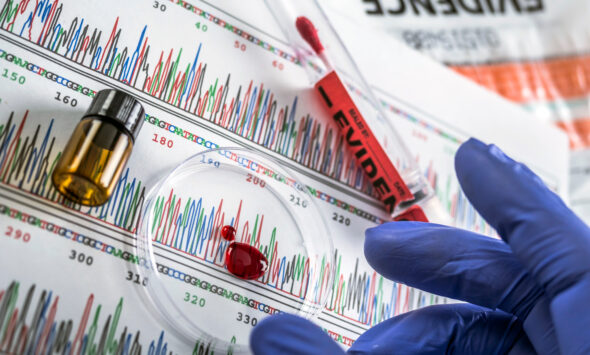
From an analytical standpoint, laboratories rely on well-established methods to identify pregabalin and verify its composition. Chromatographic techniques coupled with mass spectrometry make it possible to confirm the nature of the molecule present, assess its purity, and detect potential modifications, such as admixture with other substances. This step remains essential. It allows investigators to rule out counterfeiting or product alteration and to objectively establish the actual composition of the seized material. In some cases, the presence of additional psychoactive substances or formulation irregularities may constitute a significant element of the investigation. However, chemical identification alone is not sufficient to demonstrate diversion.
Inconsistency between medical use and observed circumstances
The demonstration of diversion often relies on a discrepancy between the expected therapeutic use and the concrete circumstances of the seizure. Very large quantities, repackaging into small bags, the absence of a prescription, or the presence of substantial amounts of cash may all suggest an intent to resell. In forensic science, no conclusion can rest on a single isolated element; taken individually, these indicators are insufficient to establish an offence. It is their convergence that supports the hypothesis of organised illicit trafficking.
Toward pharmaceutical traceability
Medicinal products are not anonymous items. They carry batch numbers and form part of a regulated distribution chain. The analysis of these elements may reveal that a batch has left the pharmaceutical supply chain irregularly, has been stolen or diverted during distribution, or originates from a supply route different from that authorised in France. This work also addresses a further essential question: is the product authentic, or is it counterfeit? Examination of packaging, printing, composition, and physicochemical characteristics may reveal inconsistencies incompatible with regulated manufacturing. The distinction is decisive, as an authentic medicine resold unlawfully and a counterfeit product do not fall under the same criminal offences or carry the same penalties. Comparative analysis of seized batches may also reveal similarities across different cases, suggesting a common source of supply or the existence of a structured organisation.
Technical support for the legal qualification of the facts
In this type of case, the forensic laboratory does not merely confirm the presence of a molecule. The analyses performed provide technical elements relevant to the investigation, such as the exact composition of the product, the nature of cutting agents, potential modifications, or anomalies capable of guiding further inquiries. These findings are subsequently assessed alongside investigative information—quantities seized, conditions of possession, supply routes—in order to clarify the legal qualification of the facts. Identification of the substance thus remains an essential step. However, the interpretation of analytical results also contributes to determining whether the product is consistent with legitimate therapeutic use or part of an illicit resale scheme.
A phenomenon that is not isolated
Pregabalin is not an isolated case. Other medicines have already illustrated this permeability between therapeutic use and illicit trafficking. Fentanyl, a highly potent synthetic opioid used in anaesthesia and in the management of severe pain, has been subject to large-scale diversion in several countries, with major public health consequences. In France, prolonged-release morphine marketed under the brand name Skénan® has also been involved in non-medical uses, notably through injection following extraction of the active substance.
These examples demonstrate that pharmaceutical diversion does not depend on an “exotic” or unknown molecule. It concerns authorised substances, legally manufactured and distributed, whose use becomes problematic when they enter parallel supply channels or resale networks.
Source
Direction Nationale du Renseignement et des Enquêtes Douanières – DNRED (2025).On la surnomme « la drogue du pauvre » : le trafic de prégabaline en hausse en France. Direction Nationale du Renseignement et des Enquêtes Douanières – DNRED.
Available online:
https://www.linkedin.com/posts/direction-nationale-du-renseignement-et-des-enqu%C3%AAtes-douani%C3%A8res_on-la-surnomme-la-drogue-du-pauvre-l-activity-7430284047429574656-2fZY
Tous droits réservés - © 2026 Forenseek